


No material changes a hall the way wood does. A wooden false ceiling brings warmth that paint cannot fake — the grain, the texture, the way it softens light. It is also the most expensive ceiling material in common use in India, the heaviest to install, and the one that demands the most care over its life. That is the honest trade at the centre of this guide: wood gives the hall a character nothing else quite replicates, and charges for it in money, maintenance and planning. Below are the real 2026 cost bands per design (engineered vs solid wood tiers, from NoBroker’s 2026 wooden ceiling guide), the designs that suit a hall, where to use real timber and where engineered boards or veneers do the job, and how to keep a wood ceiling looking good for decades.

Why wood costs what it costs
Three things drive the price. First, the material itself: solid timber (teak, rosewood, oak) is priced per cubic foot and worked by carpenters, while engineered wood, plywood with veneer, and MDF with laminate are factory products with far lower material and labour costs. Second, the finish: staining, polishing and sealing are skilled, slow work. Third, the design: a flat plank ceiling is carpentry; carved motifs are craft. NoBroker’s 2026 wooden ceiling guide prices the same design at two tiers — engineered/veneer vs solid wood — and the gap is roughly 2x. That two-tier structure runs through every cost figure below (India, 2026, installed).
For the hall specifically, there is also a placement question. GoodHomes’ 2026 hall guide advises using wood and wood laminates as an accent rather than full ceiling coverage in humid climates — solid timber moves with moisture, and a full timber ceiling in a coastal hall is asking for trouble. In dry climates the full-wood ceiling is the classic luxury move; in humid ones, the smart version is wood where you see it most — above the seating area, in a tray border, as beams — with gypsum or POP doing the quiet work elsewhere.
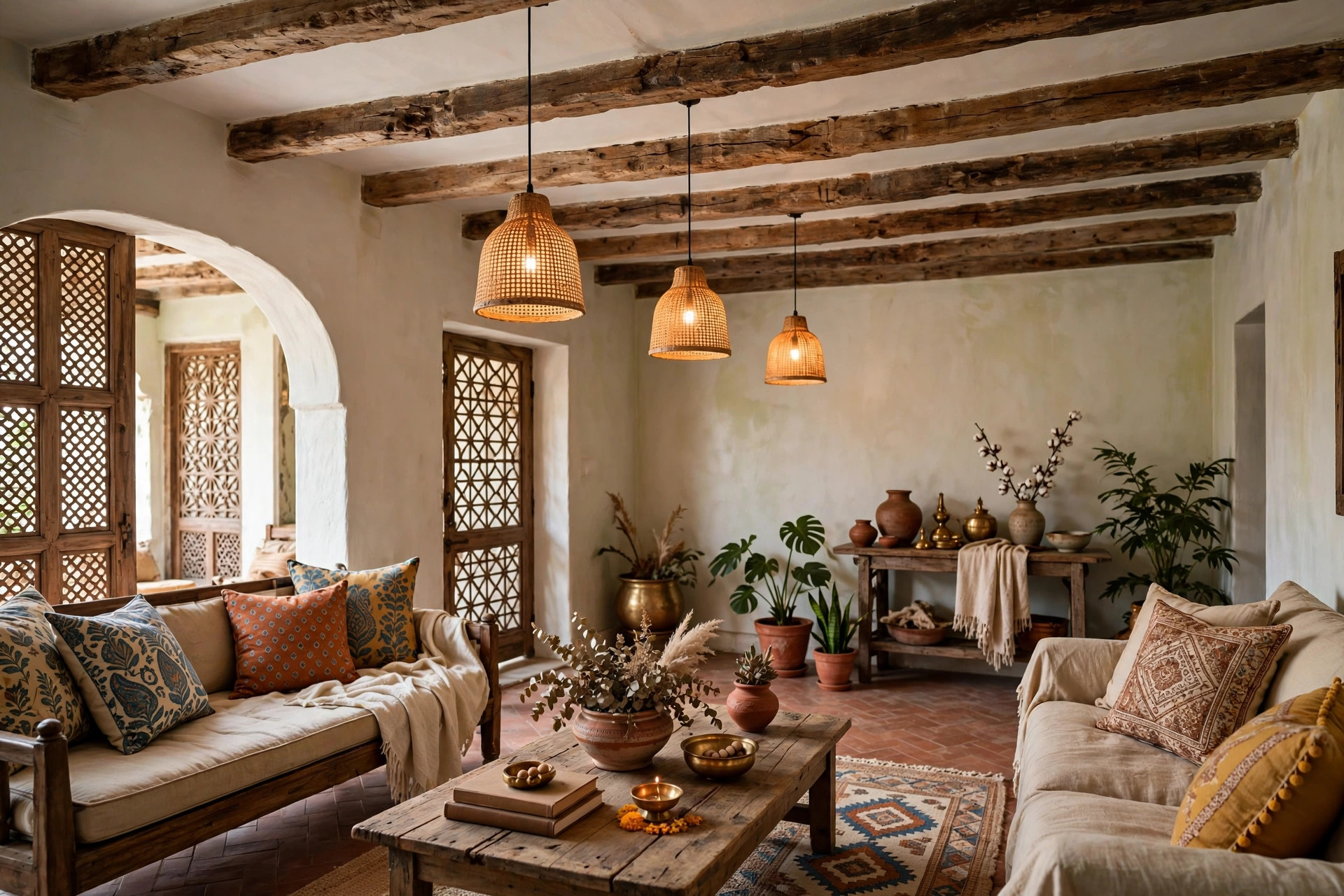
Wooden hall ceiling costs in India, 2026
All bands below are from NoBroker’s “10 Best Wooden False Ceiling Designs on a Budget 2026” guide (India), which prices each design at an engineered/veneer tier and a solid-wood tier. Costs include installation and lighting integration where stated; your city, timber species and finish will shift them. For context, housing.com’s 2026 material table puts wooden ceilings at ₹650–₹1,200 per sq ft (their top-end band), and DesignCafe’s 2026 budget guide lists wooden at ₹350+ per sq ft.
| Design | Engineered / veneer tier (₹/sq ft) | Solid wood tier (₹/sq ft) |
|---|---|---|
| Coffered (sunken grid panels) | ₹250–₹350 | ₹500–₹800 |
| Exposed beams (rustic) | ₹220–₹300 (faux/reclaimed) | ₹450–₹700 |
| Plank (parallel boards) | ₹200–₹280 | ₹400–₹650 |
| Batten (spaced battens, cove light) | ₹220–₹300 | ₹400–₹700 |
| Shiplap (overlapping boards) | ₹200–₹280 (MDF/engineered) | ₹400–₹650 |
| Vaulted (angled/arched) | ₹250–₹350 | ₹500–₹900 |
| Tray (recessed centre, wood finish) | ₹220–₹300 | ₹400–₹750 |
| Geometric (hexagons, diamonds) | ₹250–₹350 (ply/MDF veneer) | ₹450–₹800 |
| Carved motifs | ₹500–₹900 (by complexity and wood type) | |
| Combination (planks + beams + patterns) | ₹400–₹750 | |
Source: NoBroker wooden false ceiling guide, 2026, India. A 200 sq ft hall therefore lands roughly between ₹44,000 (engineered battens at the low end) and ₹1,60,000+ (solid coffered with lighting) — before chandeliers and smart lighting.
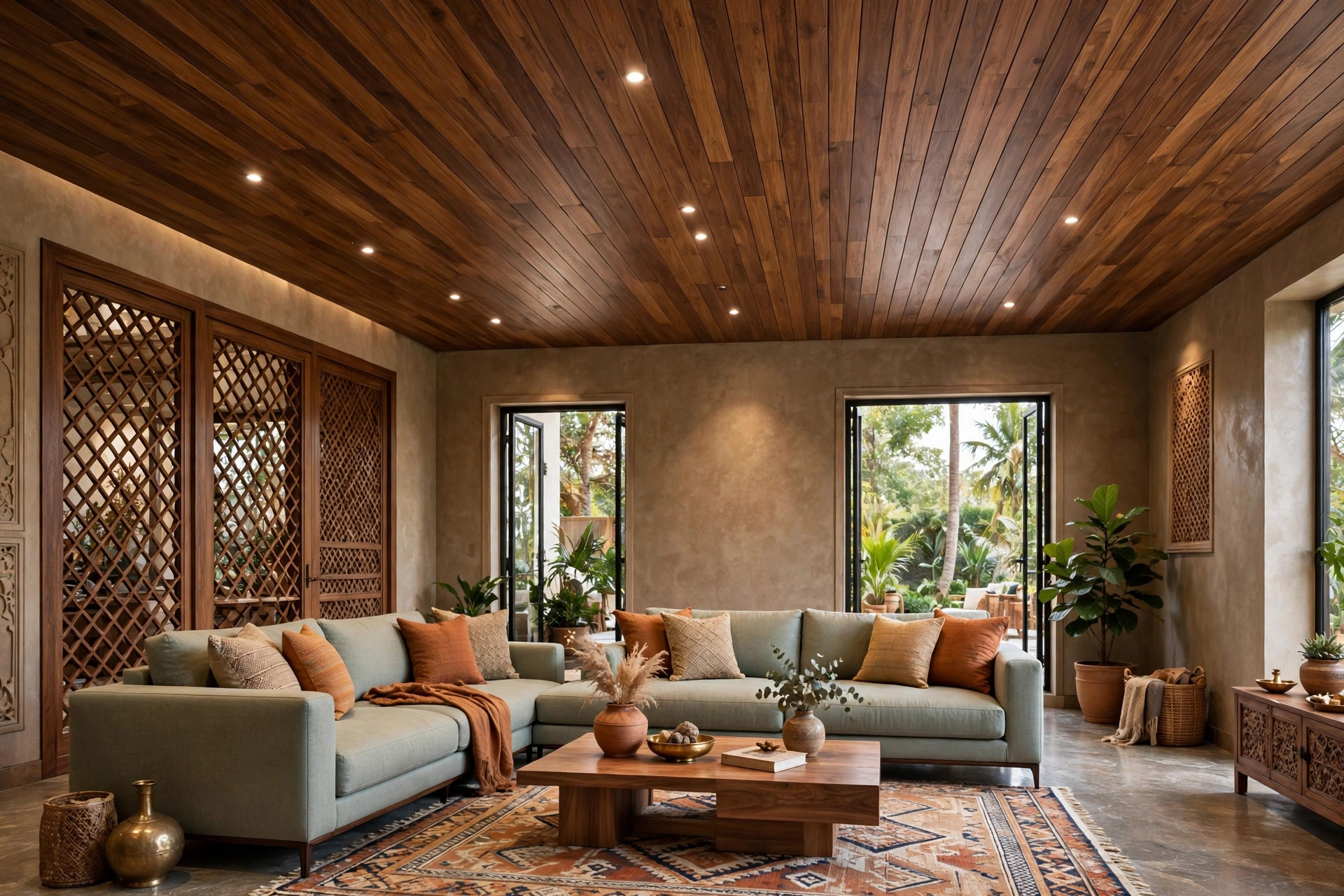
The budget path to a wood look
Not everyone needs timber on the ceiling. Two 2026-documented hybrids deliver the wood look at a fraction of the cost:
- POP + wood-finish panels — a POP structure with laminate or PVC wood-finish panels as accent sections. aquireacres’ 2026 hall guide prices this at ₹130–₹200 per sq ft: “the visual warmth of wood without the actual cost of timber.” Best for homeowners who want a premium look on a controlled budget.
- POP + engineered wood slats — a flat or cove POP base with recessed warm-toned wood slat panels. NoBroker’s 2026 living-room guide prices this hybrid at ₹200–₹350 per sq ft (200 sq ft ≈ ₹40,000–₹70,000), calling it the modern warm-contemporary option.
Both keep the heavy lifting — the flat field, the cove, the curves — in POP, and spend the wood budget exactly where eyes land. If the brief is “wood warmth, sane budget,” start here before pricing full timber.

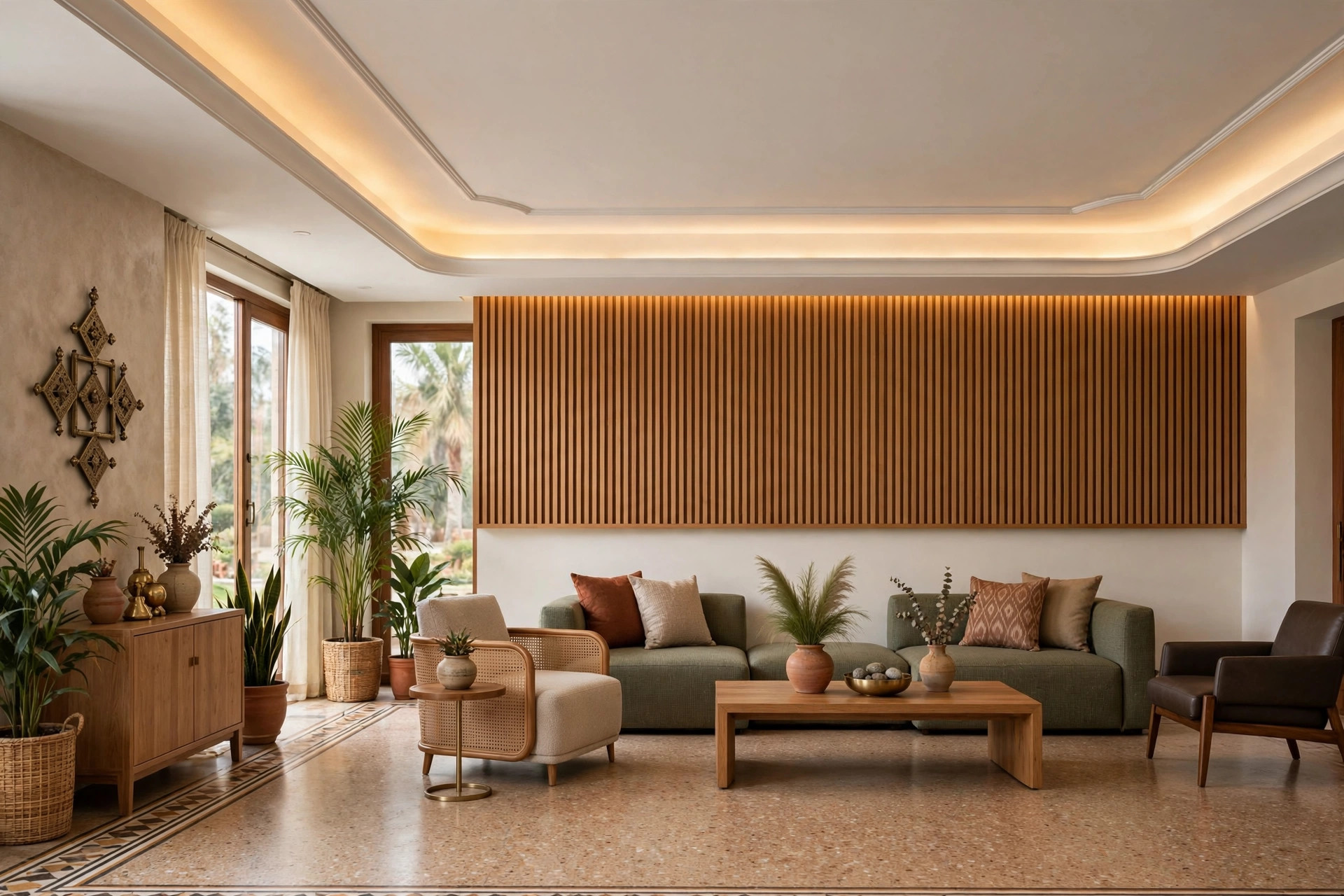
Wooden hall designs, one by one
1. Coffered wooden ceiling
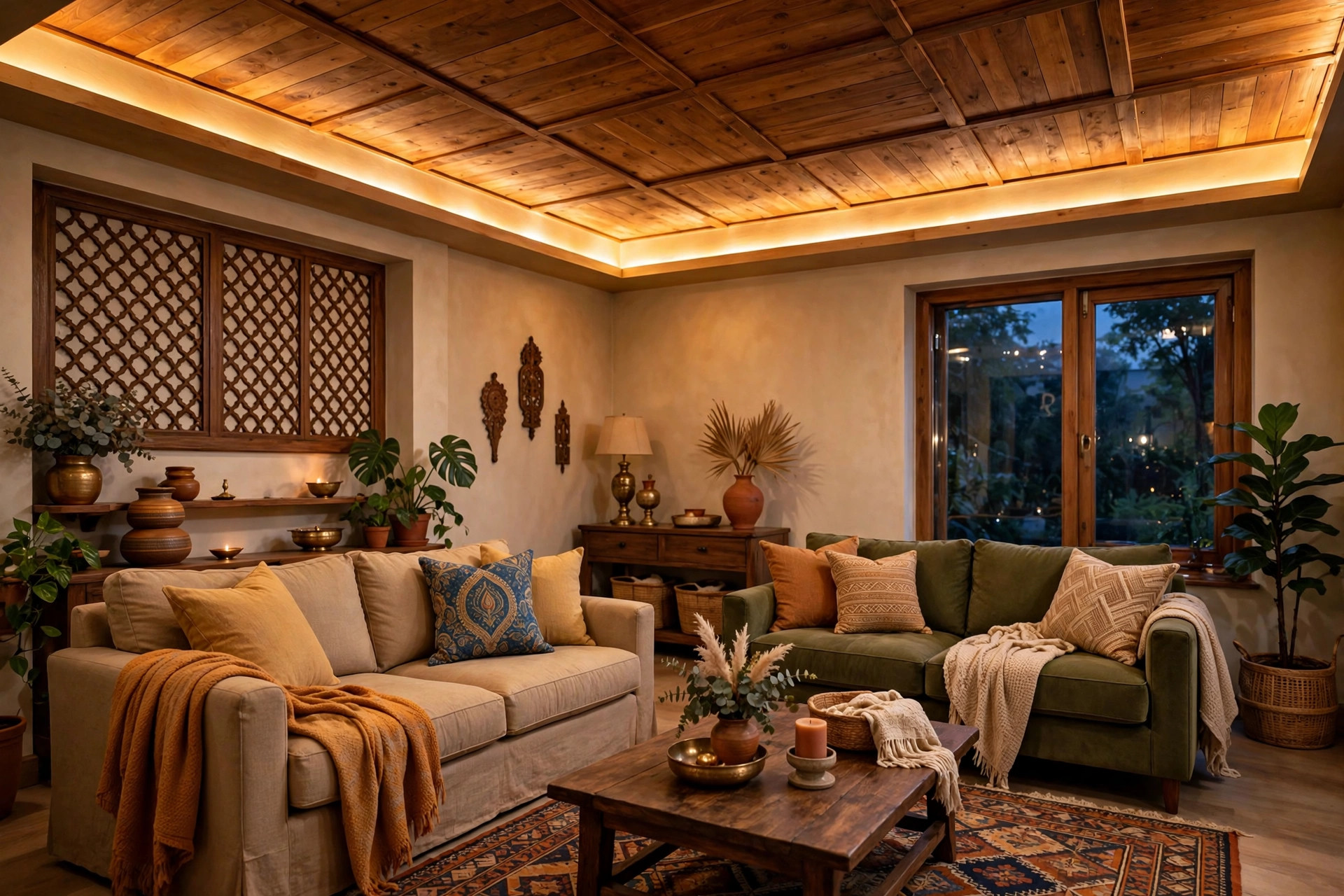
The timeless grid of sunken panels — depth, dimension, and a sense of occasion. NoBroker calls it perfect for living rooms and dining rooms: recessed spotlights or warm cove lighting sit inside the panels. In engineered wood ₹250–₹350 per sq ft; in solid wood with detailing and lighting ₹500–₹800. Needs a hall with presence — 9.5 ft plus and enough floor area that the grid reads as architecture, not clutter.
2. Exposed wooden beams
Rustic, industrial, or farmhouse: beams left natural or stained, with pendant lights or a chandelier mounted along them. Faux or reclaimed beams ₹220–₹300 per sq ft; solid hardwood beams with lighting ₹450–₹700. The cheapest way into a real-wood ceiling, and the most forgiving of imperfect slabs since the beams carry the design.
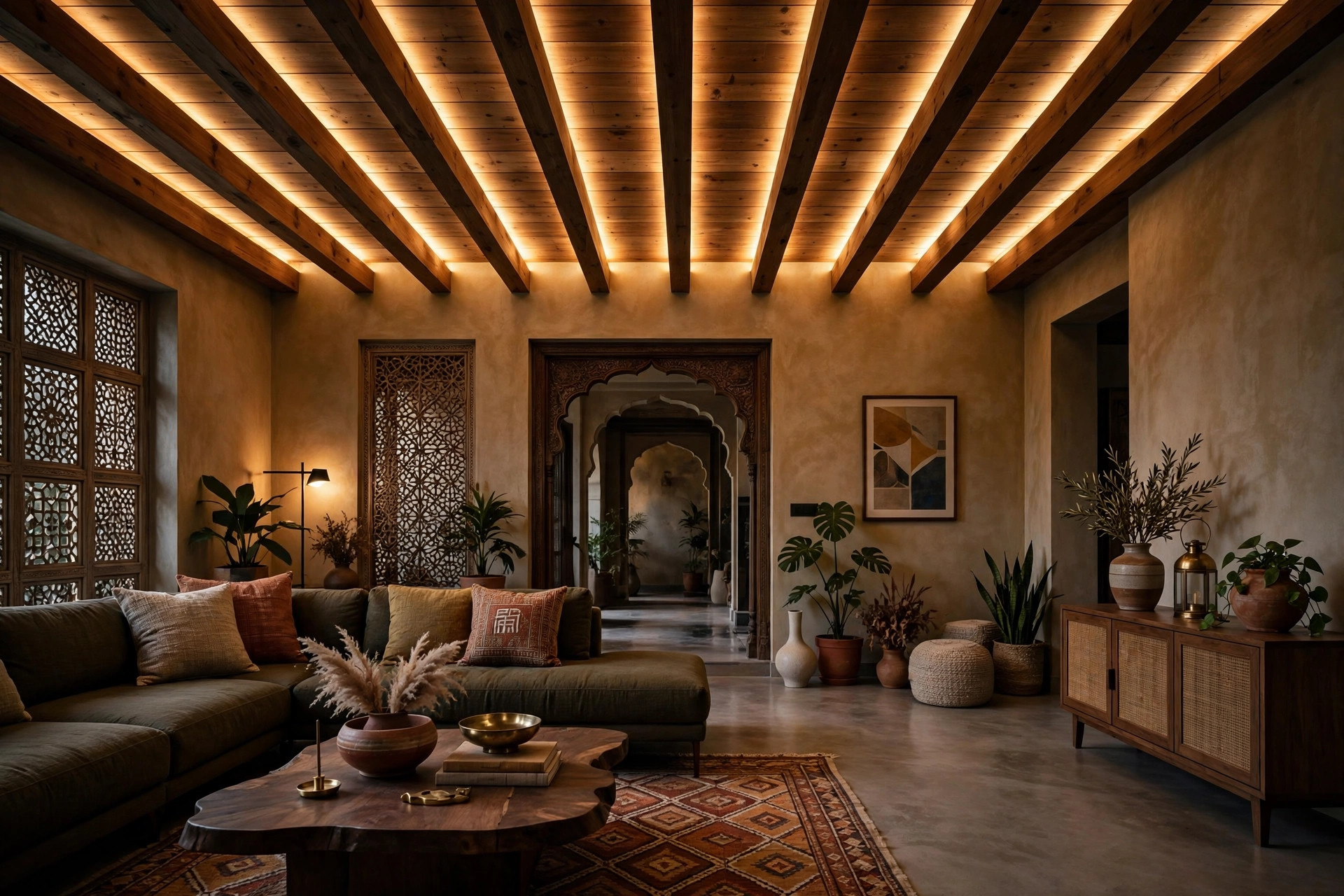
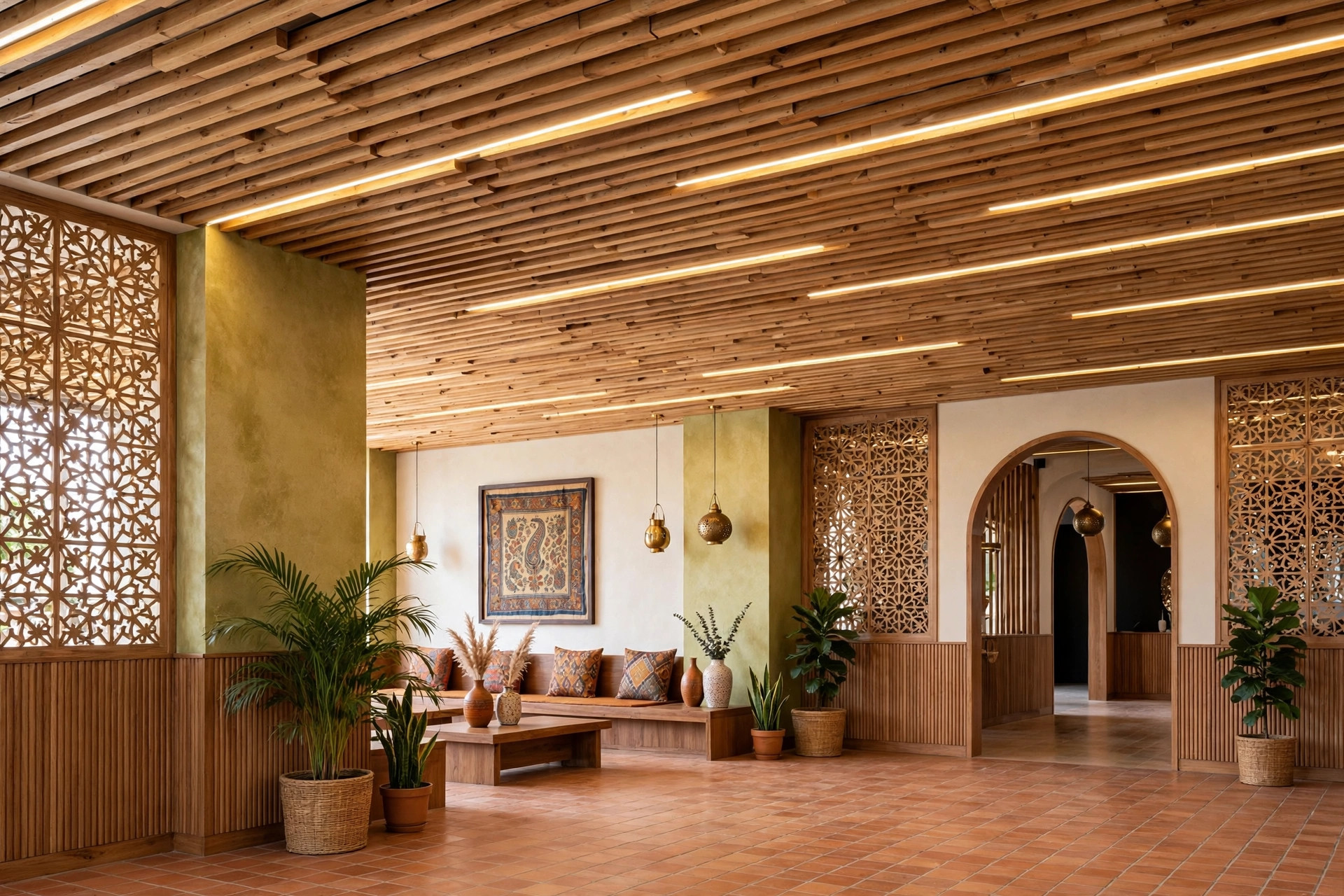
3. Plank and batten ceilings
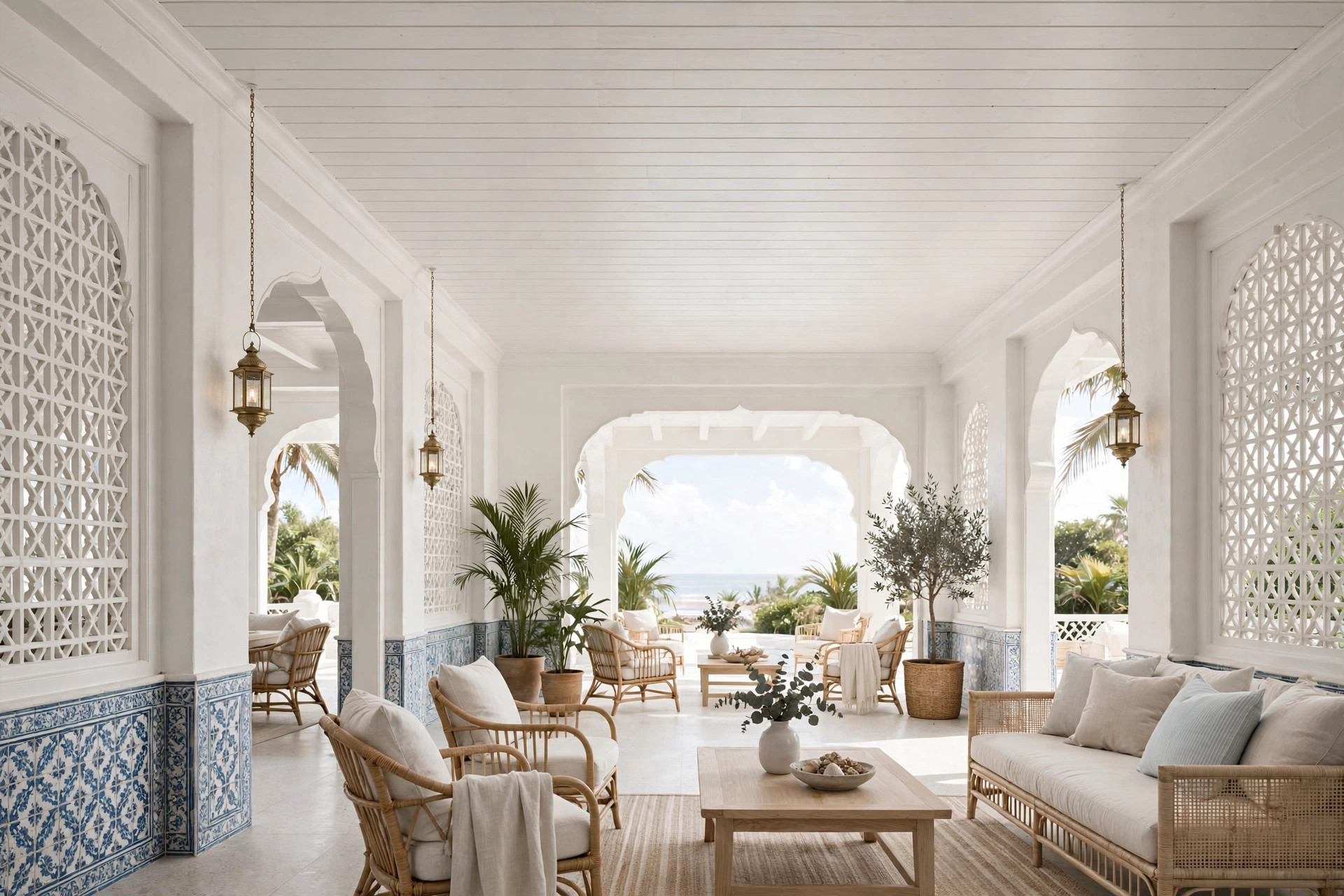
Long parallel boards (plank) or spaced battens with wider gaps (batten), stained or painted. Linear LED strips aligned with the plank direction, or cove light washing between battens. Modern, minimal, warm — and among the most affordable full-wood options at ₹200–₹300 per sq ft engineered. Painted white shiplap gives the same lines a bright coastal feel.
4. Wooden tray ceiling
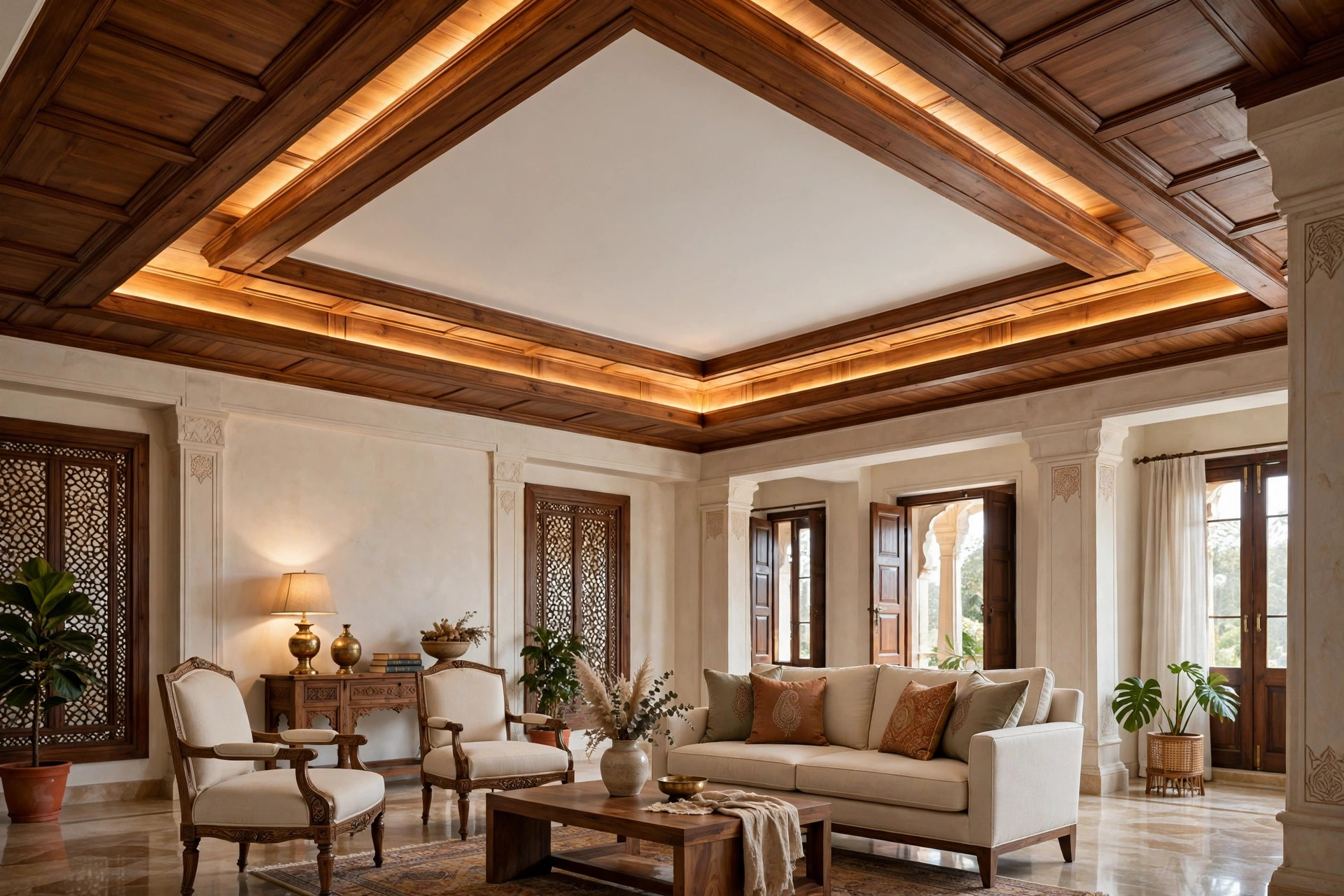
A recessed centre with a raised wood-finished border — the tray’s intimacy plus timber’s warmth. Engineered/laminate ₹220–₹300; solid with premium lighting ₹400–₹750. The centre can stay painted white, which cuts the wood quantity (and cost) nearly in half while keeping the effect.
5. Geometric wood patterns
Hexagons, diamonds, mixed patterns in stained panels or veneer — the contemporary-art end of wood ceilings. Plywood or MDF with veneer ₹250–₹350; premium hardwood with intricate patterns ₹450–₹800. Backlit panels make the geometry glow; this is the design that photographs best and costs most per square foot of visual impact.
6. Vaulted wooden ceiling
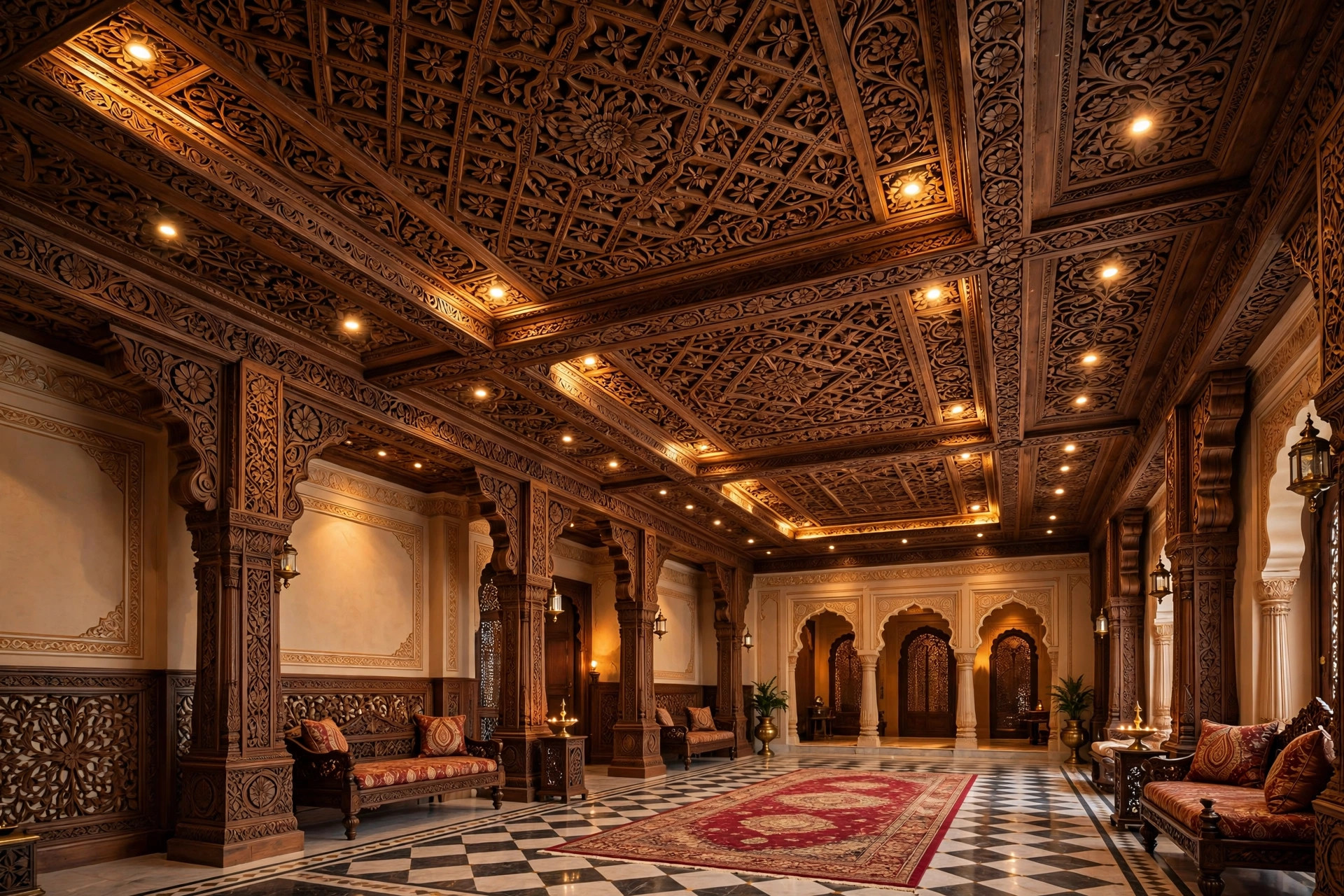
Angled or arched wood that adds height and drama — for halls with the volume to carry it (double-height living areas, villas). Engineered ₹250–₹350; solid with beams and lighting ₹500–₹900. Chandeliers and skylights pair naturally; in a standard 10-ft flat hall, skip it.
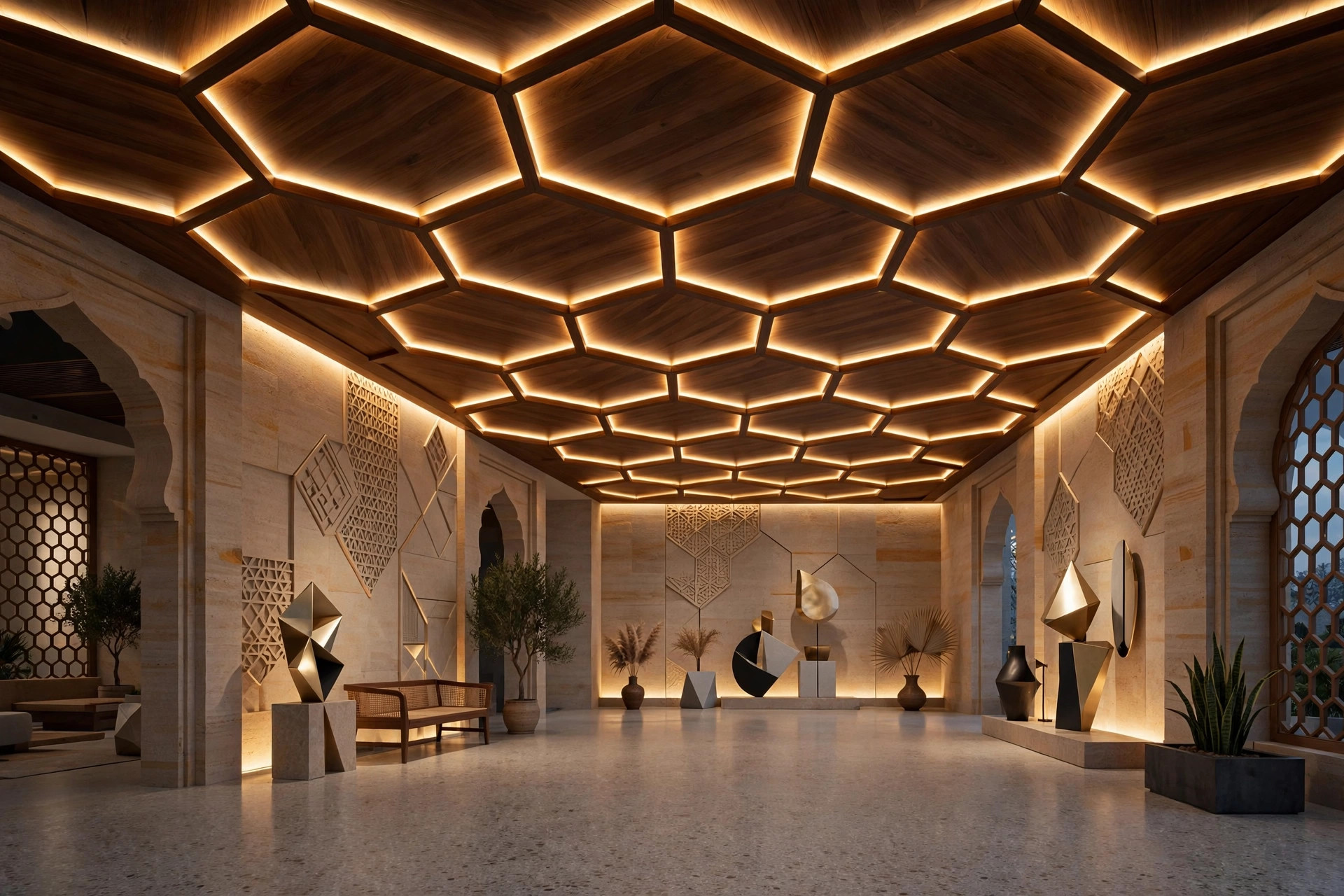
7. Carved wooden ceilings
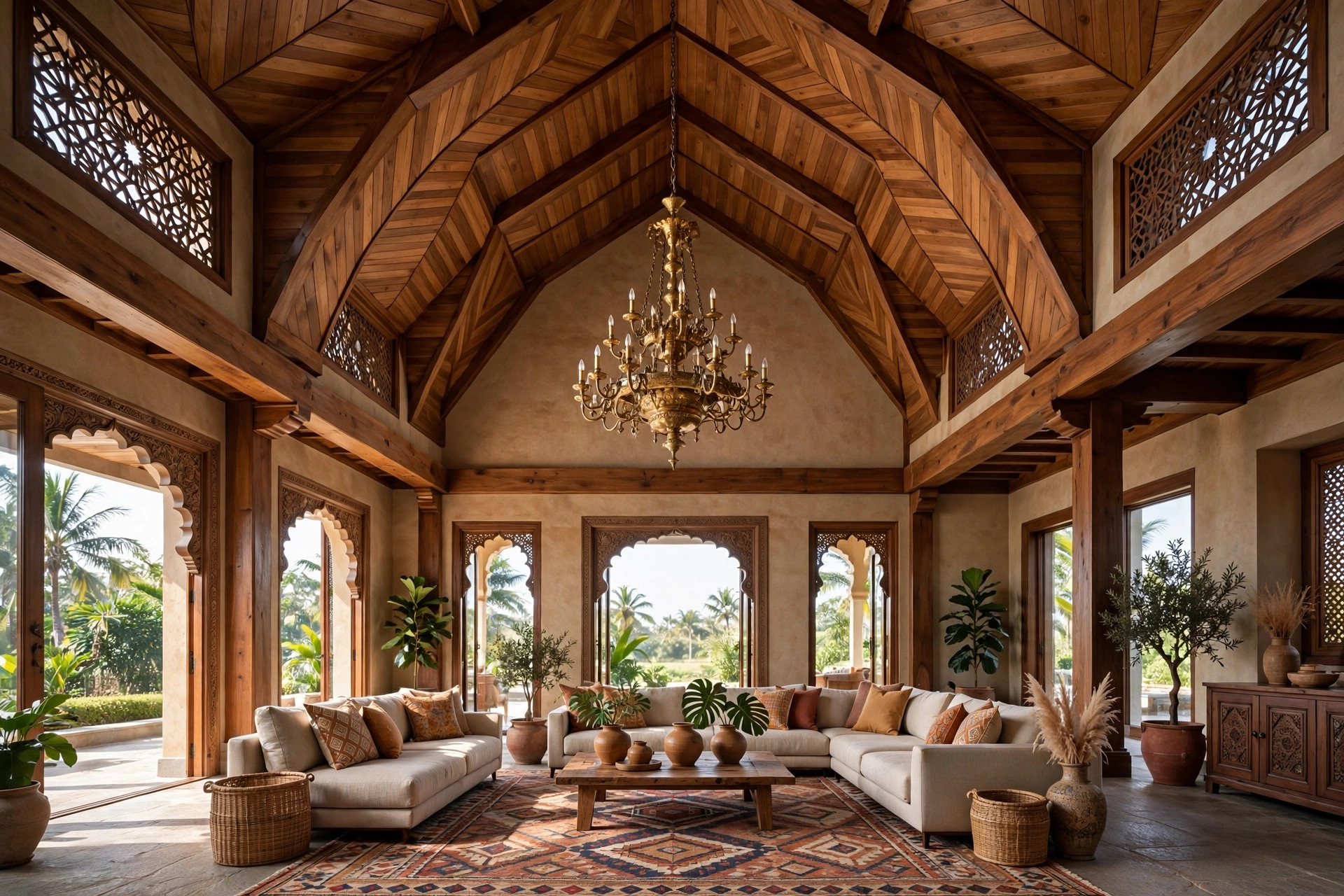
Floral, lattice or traditional motifs carved into solid wood — the regal option, suited to formal halls and pooja-adjacent spaces. ₹500–₹900 per sq ft depending on carving complexity and wood type (teak, rosewood, oak per NoBroker). Commission only from carvers whose finished work you have seen in person; photographs hide shallow carving.
Colour combinations that work with wood
From NoBroker’s 2026 colour section, the pairings that keep a wood ceiling balanced:
- Wood + white — the timeless default; light walls and trim keep the room bright while the ceiling carries the warmth.
- Wood + charcoal grey — contemporary without the harshness of black; the ceiling stays the warm element.
- Wood + taupe — earthy and sophisticated; the wood takes centre stage.
- Wood + sage or olive green — nature’s palette; calm walls under a warm ceiling.
- Wood + black — bold and modern, best in large halls with plenty of light.
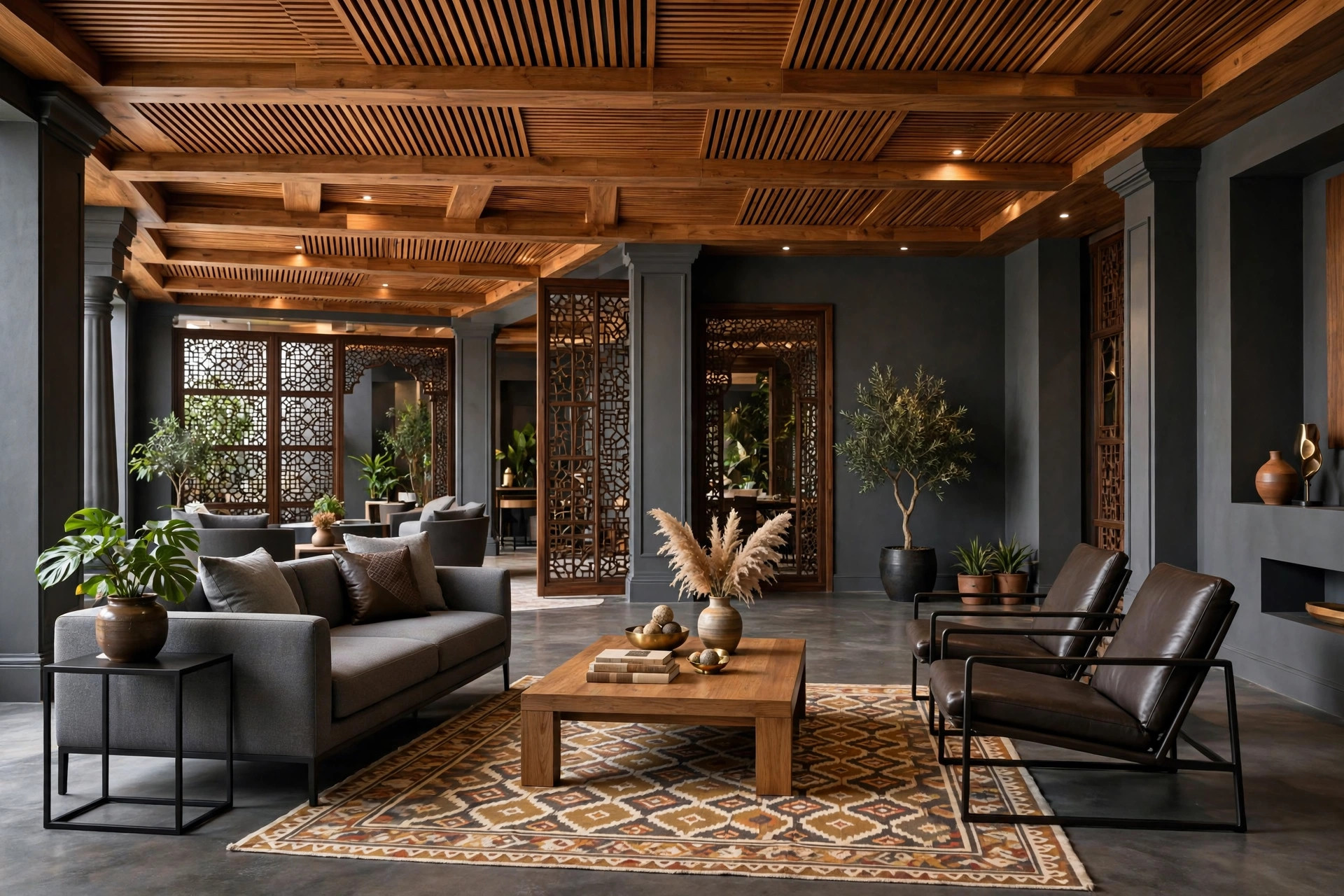
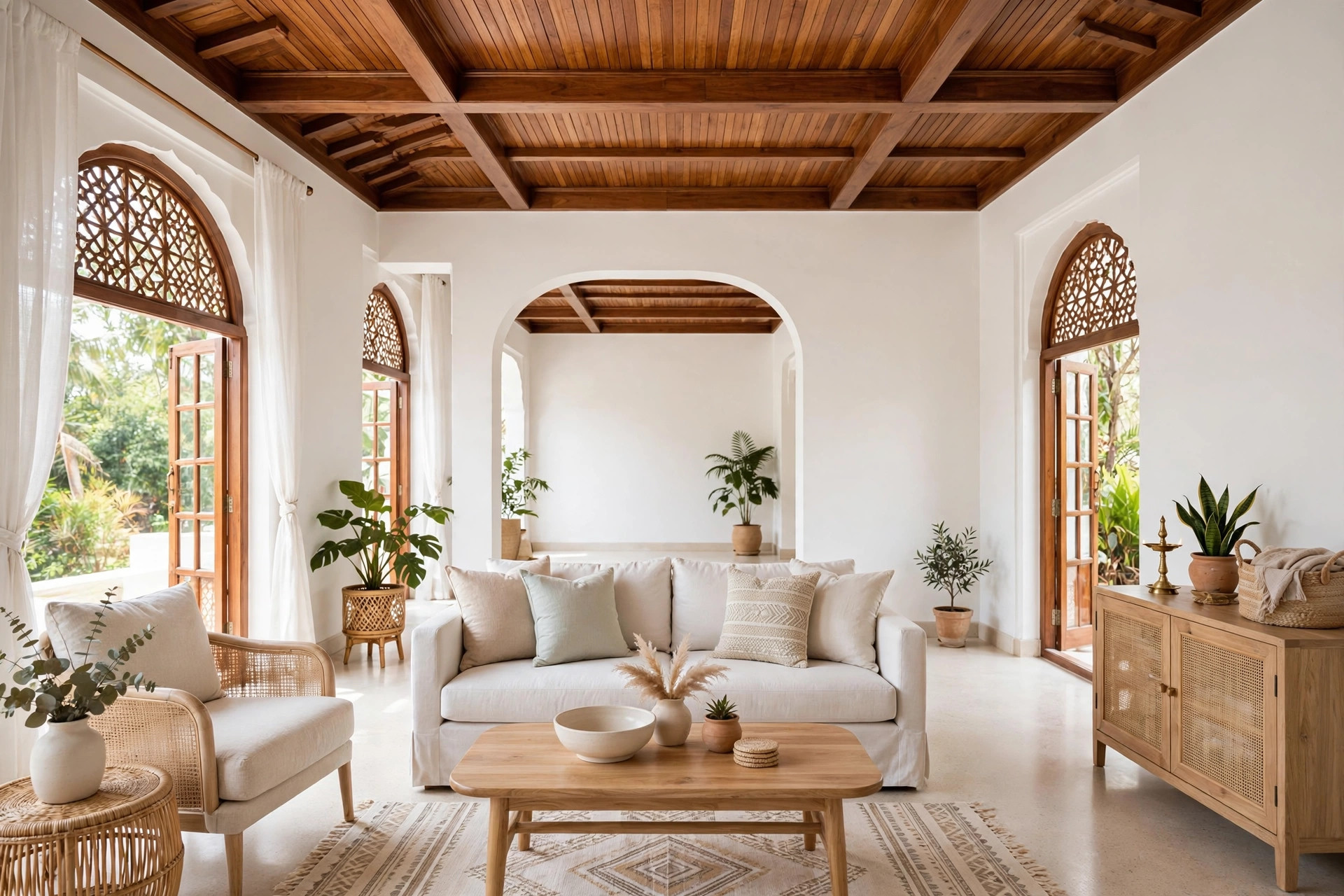
Planning a wooden hall ceiling
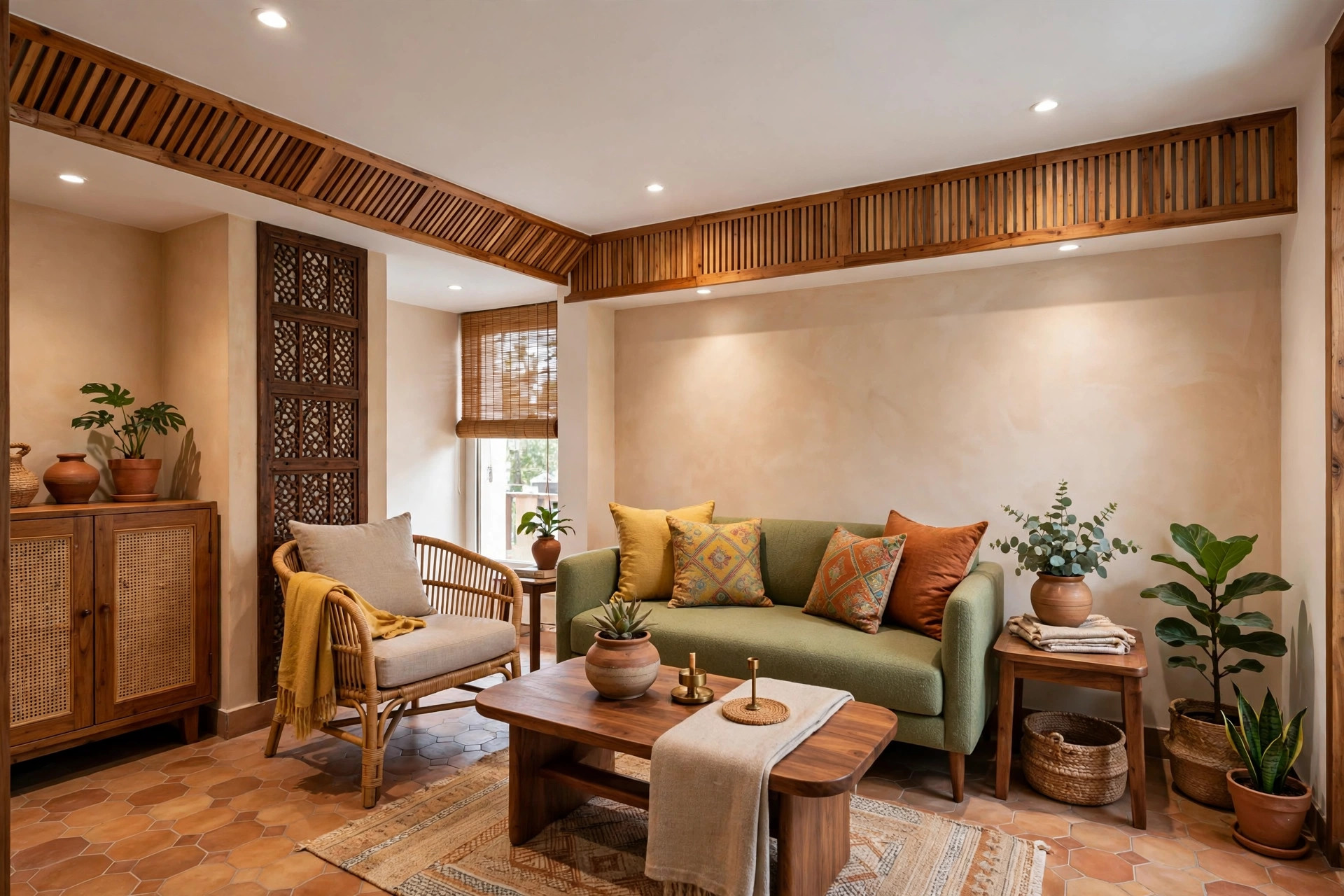
- Moisture check first. Top-floor halls under terraces, coastal flats, any history of seepage — use engineered boards, veneers or the hybrid route. Solid timber and damp slabs are a slow expensive failure.
- Termite protection. Solid and engineered wood both need treatment; ask for it in writing and schedule re-inspection. (PVC and metal skip this entirely — one reason the POP hall guide and gypsum hall guide exist for lower-maintenance briefs.)
- Weight and framework. Timber is heavy — the suspension framework must be designed for the load, anchored to the structural slab. This is structural work, not decoration; the contractor’s framework spec matters more than the panel choice.
- Lighting plan before timber. Recessed spots, cove strips and chandelier mounts are cut and wired before boards go up. Moving a light later means opening finished woodwork.
- Fire and finish. Wood is combustible — keep recessed fixtures to cool-running LEDs with proper clearance, and use fire-retardant treatments where the local code or your contractor recommends them. Ask, don’t assume.
- Ceiling height. Beams and coffers need volume: 10 ft and up for beams, 9.5 ft plus for coffers. Below that, battens or a wood-accent border keep the warmth without the weight.
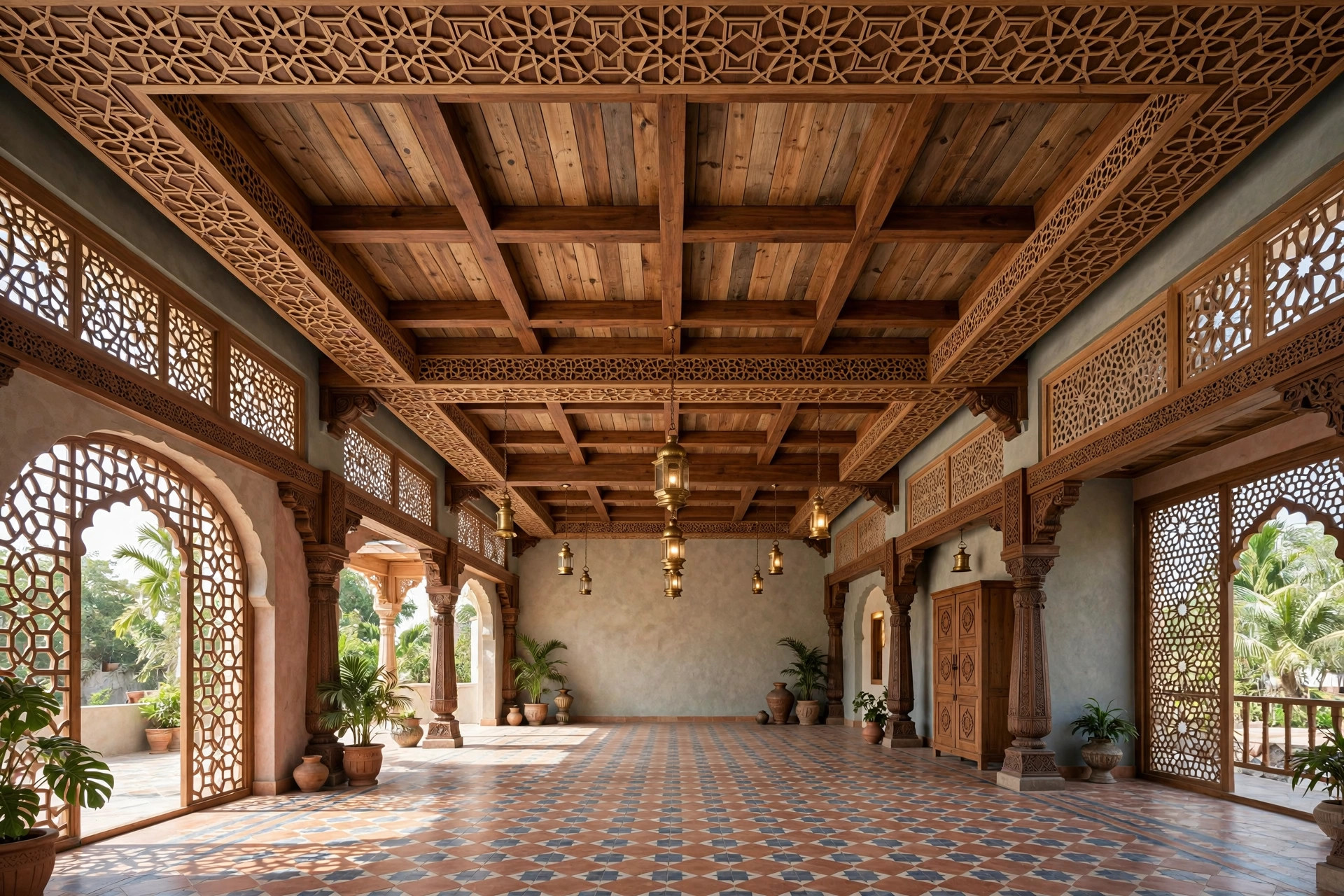

Maintenance: the part people underestimate
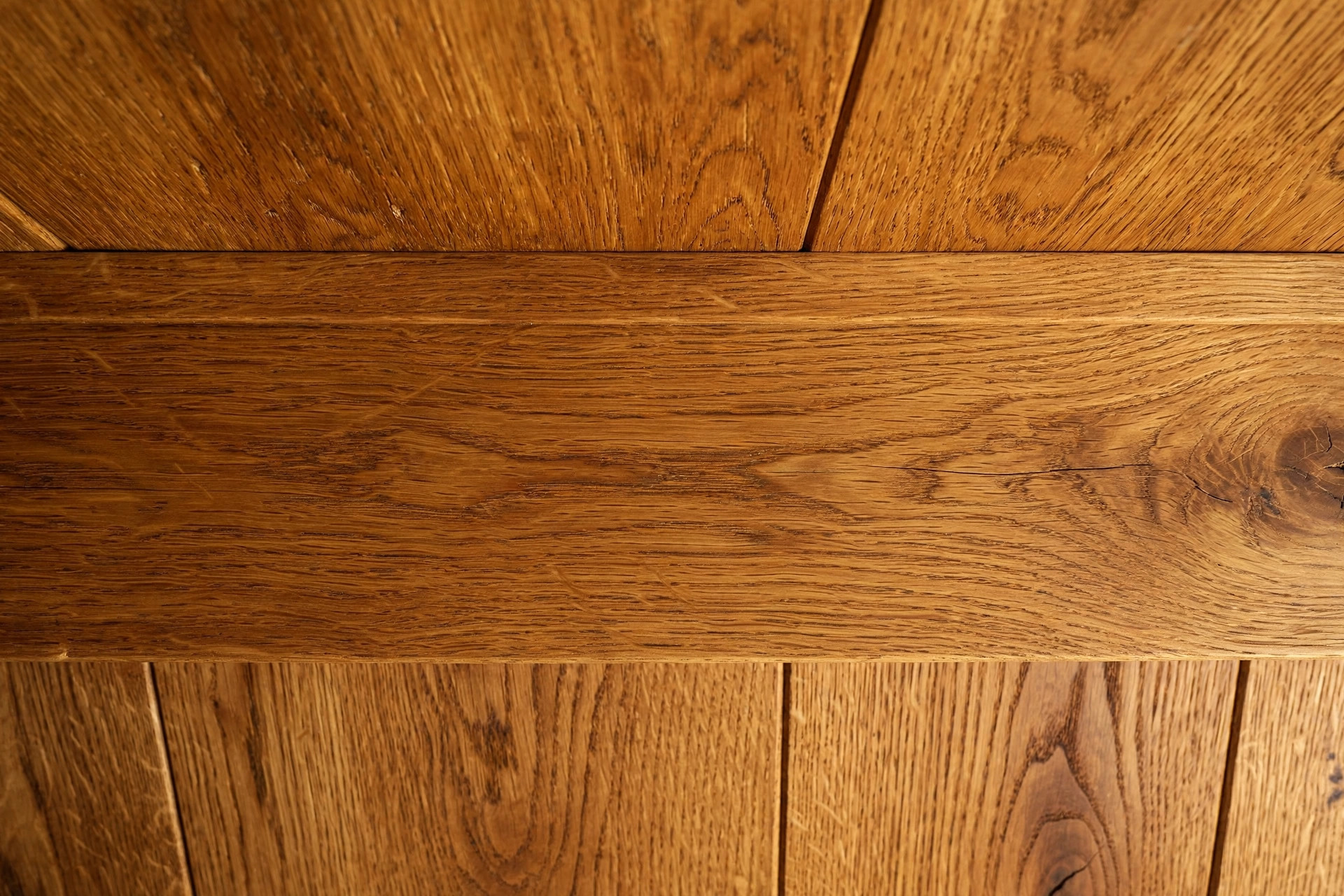
A wood ceiling is furniture overhead, and it asks for furniture-grade care: regular dusting with a microfiber cloth, mild wood cleaners periodically (per Livspace’s 2026 care guidance), and a polish recoat every few years to preserve colour and sheen — HomeLane’s 2026 hall guide specifically notes recoating veneer polish every two to three years. Watch for termite signs annually, keep bathrooms’ steam away from hall-adjacent wood, and have the concealed wiring inspected yearly. Budget this time, not just the installation money.
Wood vs the other hall materials
At ₹200–₹900 per sq ft installed, wood sits far above POP (₹65–₹120), gypsum (₹75–₹150) and PVC (₹70–₹150) in NoBroker’s 2026 bands. What the money buys: unmatched warmth and character, 20–30 year lifespans, and a ceiling that anchors the whole interior. What it costs beyond money: termite vigilance, polishing cycles, moisture caution, and heavier structural demands. If the brief is warmth on a budget, the POP-wood hybrids at ₹130–₹350 deliver most of the look. If the brief is a showpiece hall and the budget is real, timber earns its place.
FAQs
What is the cost of a wooden false ceiling for a hall in India in 2026?
NoBroker’s 2026 wooden ceiling guide (India) prices designs from ₹200–₹280 per sq ft (engineered planks/shiplap) to ₹500–₹900 per sq ft (solid coffered, vaulted, carved). A 200 sq ft hall lands roughly ₹44,000 at the engineered low end to ₹1,60,000+ for solid wood with lighting. Budget hybrids (POP + wood-finish panels) run ₹130–₹350 per sq ft.
Is a wooden false ceiling good for a hall?
Yes, with conditions: it brings unmatched warmth and suits halls with the ceiling height for it (9.5–10 ft+ for beams and coffers). In humid climates, GoodHomes’ 2026 guide advises using wood as an accent rather than full coverage; engineered boards and veneers handle moisture better than solid timber.
Engineered wood or solid wood for the ceiling?
Engineered wood, veneer over plywood, or MDF with laminate cost roughly half of solid timber, resist moisture movement better, and suit most designs. Solid wood is for carved detail and heirloom-grade work — commission only from carvers whose finished work you have inspected.
How do you maintain a wooden hall ceiling?
Dust regularly with a microfiber cloth, clean with mild wood cleaners, recoat the polish every 2–3 years (per HomeLane’s 2026 guidance), inspect yearly for termites, and have concealed wiring checked annually.
Can a wooden ceiling have a fan and cove lighting?
Yes — fans and pendants mount along beams or through the framework to the structural slab; cove strips and recessed LEDs are planned before the boards go up. Use cool-running LEDs with proper clearance, and ask your contractor about fire-retardant treatment.
The bottom line

A wooden hall ceiling is the premium choice in every sense: ₹200–₹900 per sq ft installed in India in 2026 (NoBroker), heirloom warmth, and real maintenance obligations — termite checks, polish recoats, moisture caution. In dry climates with 10-ft ceilings, full timber is the classic luxury move; in humid flats or tighter budgets, engineered boards, veneers, or the POP-wood hybrids at ₹130–₹350 deliver the warmth without the risk. Price the design you actually want, get the framework spec in writing, and compare the alternatives in the hall designs hub before the timber order goes in.
All images in this article are original concept renders created for illustration, not photographs of completed projects.


Pingback: Latest Hall False Ceiling Designs: 2026 Trends & Ideas