
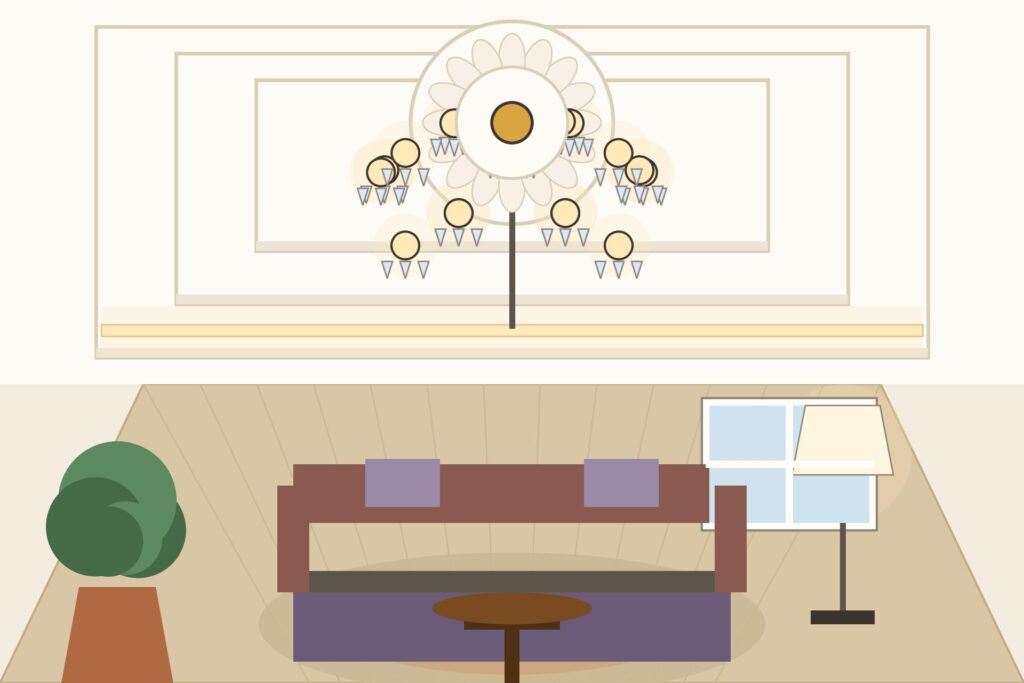

Of all the ceiling materials used in Indian homes, POP has the oldest story. Plaster of Paris ceilings are made by hand, on site, by skilled karigars who shape wet plaster into curves, mouldings and floral medallions. No factory board can copy that craft. This guide explains what a POP false ceiling is, how it is made, famous designs, dated Indian cost bands, an honest POP vs gypsum comparison, room suitability, and care.
For planning ceilings across every room, see our complete false ceiling design guide.
What is a POP false ceiling?
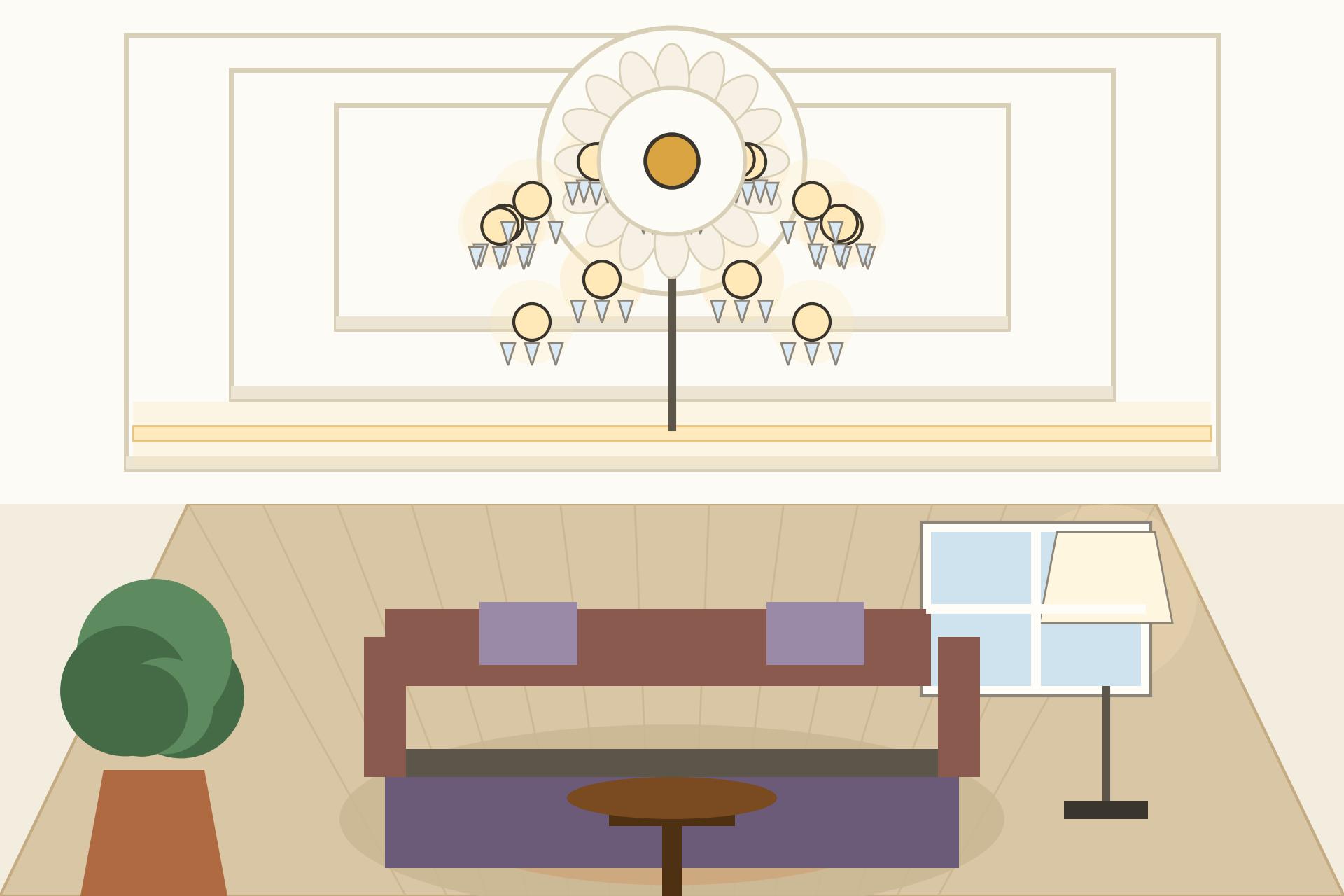
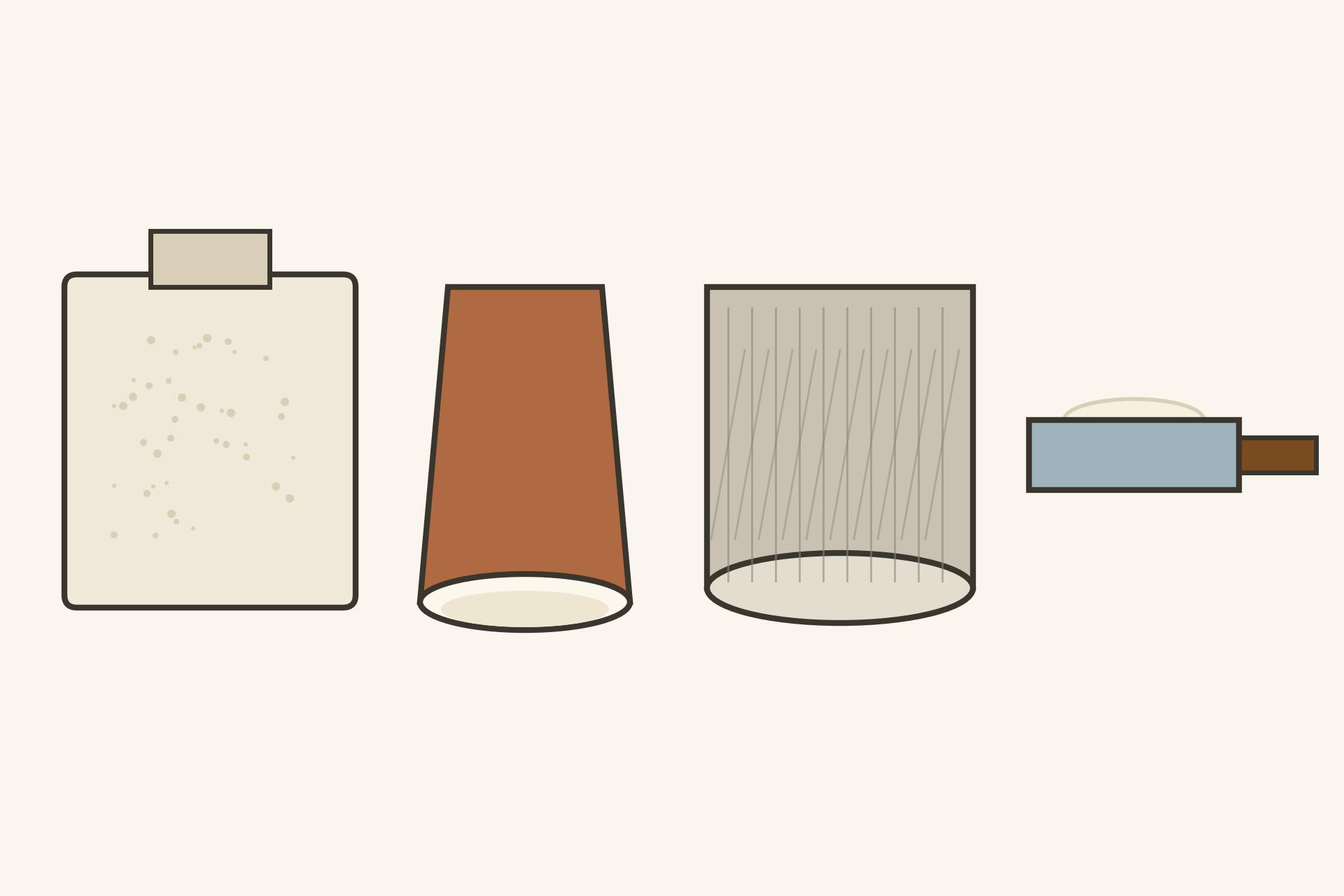
POP stands for Plaster of Paris — a fine white powder made from gypsum that turns into a hard, smooth plaster when mixed with water. A POP false ceiling is built entirely on site: the karigar mixes the powder into a slurry, spreads it over a mesh frame hanging below the concrete slab, and shapes it by hand before it sets.
That on-site, hand-made character is the whole point of POP. Gypsum ceilings use factory-made boards cut into rectangles; a POP ceiling starts as wet plaster, so it can become any curve, arch or ornament the karigar’s hands can shape. The finish is seamless — one continuous plastered surface with no board joints to tape and hide.
How a POP ceiling is made: the mesh-and-slurry process
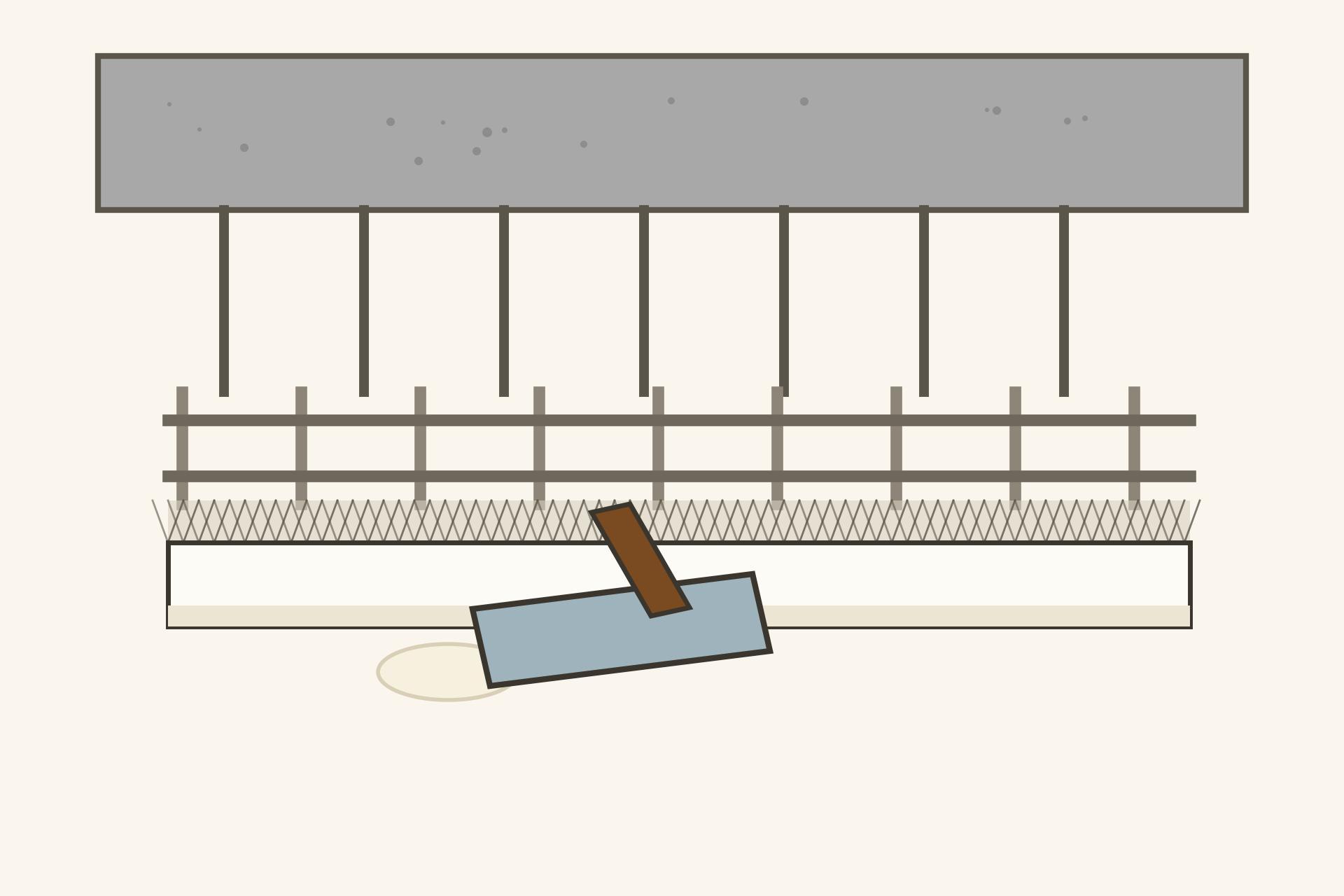
Understanding the process helps you judge a contractor’s quote and supervise the work. A typical POP ceiling in an Indian home is made in these stages:
- Suspended frame: metal rods are fixed to the concrete slab above, holding a light metal frame at the desired ceiling level.
- Mesh stretched: chicken-wire mesh (or GI mesh) is stretched tight across the frame and tied down. This mesh is the backbone the plaster grips.
- Slurry applied: POP powder mixed with water is spread over the mesh in layers by hand, building up the base surface.
- Shaping by hand: while the plaster is workable, the karigar forms curves, steps, borders, mouldings and medallions — this is the skilled part that decides the final look.
- Drying and finishing: the ceiling must dry fully, then it is sanded smooth, given a coat of primer, and painted.
Two things follow from this. First, the result depends heavily on the karigar’s skill — the same materials give visibly different ceilings in different hands. Second, the work takes time: layers must set and dry between stages, so a POP ceiling cannot be rushed the way board ceilings can.
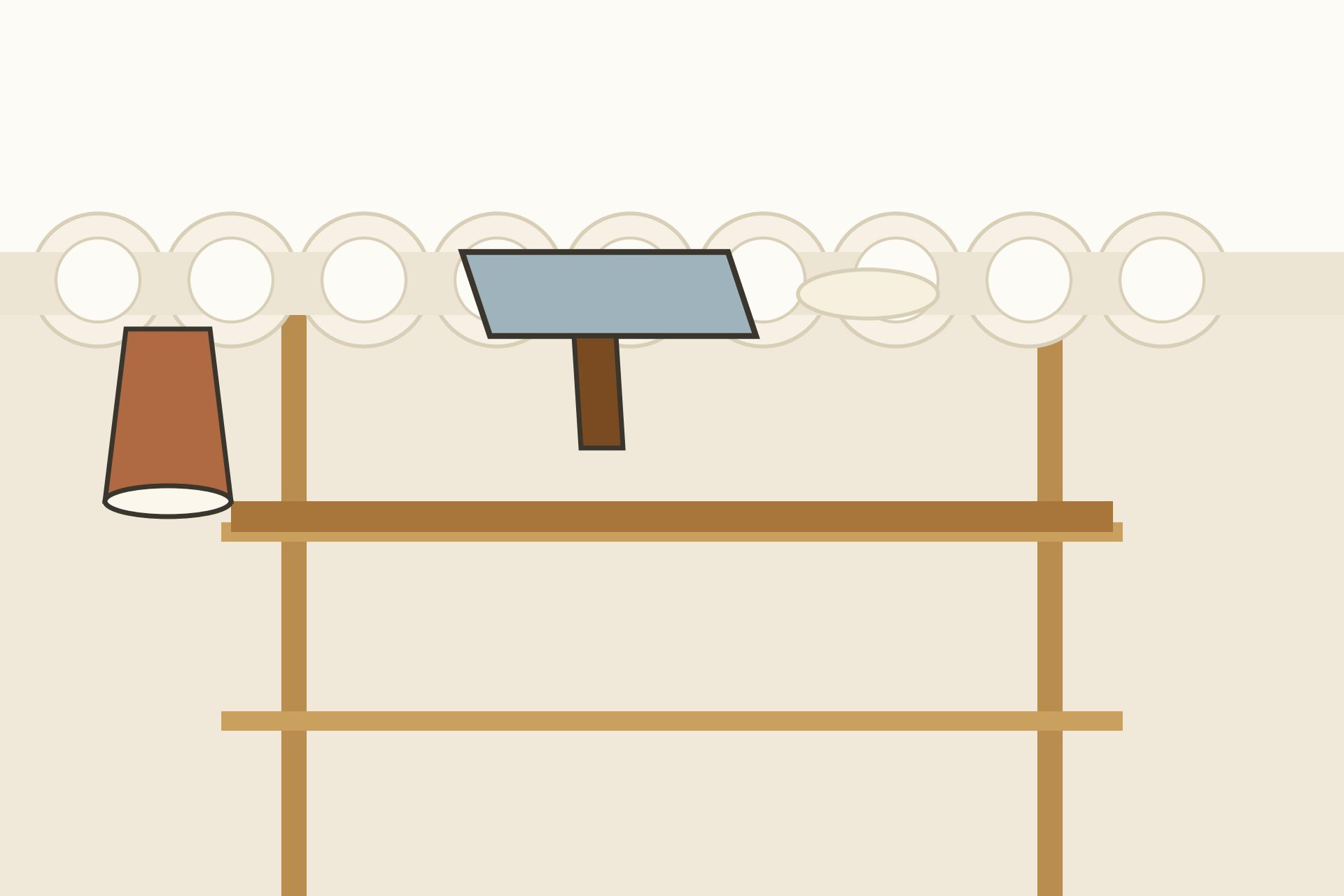
Why POP is loved: the craft advantage
POP’s strength is decoration. Because it is shaped wet, it does things no other material does as well:
- Seamless curves: waves, arches, domes and flowing shapes with no joints.
- Ornamental mouldings: cornices, coves and border mouldings formed in place, perfectly meeting walls and corners.
- Medallions and centrepieces: floral ceiling roses and ornate centrepieces around chandeliers — POP’s signature look.
- Indian motifs: lotus, paisley, jharokha arches and temple-style borders that suit traditional and fusion Indian interiors.
- One continuous surface: no board joints, so the painted finish reads as a single sculpted surface.
This is why elaborate POP remains the choice for large, formal halls while simple gypsum is often suggested for compact rooms — the material earns its keep where ornament is the point (Magicbricks hall design guide, read September 2026).

POP false ceiling designs
1. Classic tray with medallion and chandelier
The timeless POP look: a stepped tray ceiling with a central floral medallion holding a chandelier. Suits formal living rooms and dining areas with generous ceiling height.
2. Flowing curves and waves
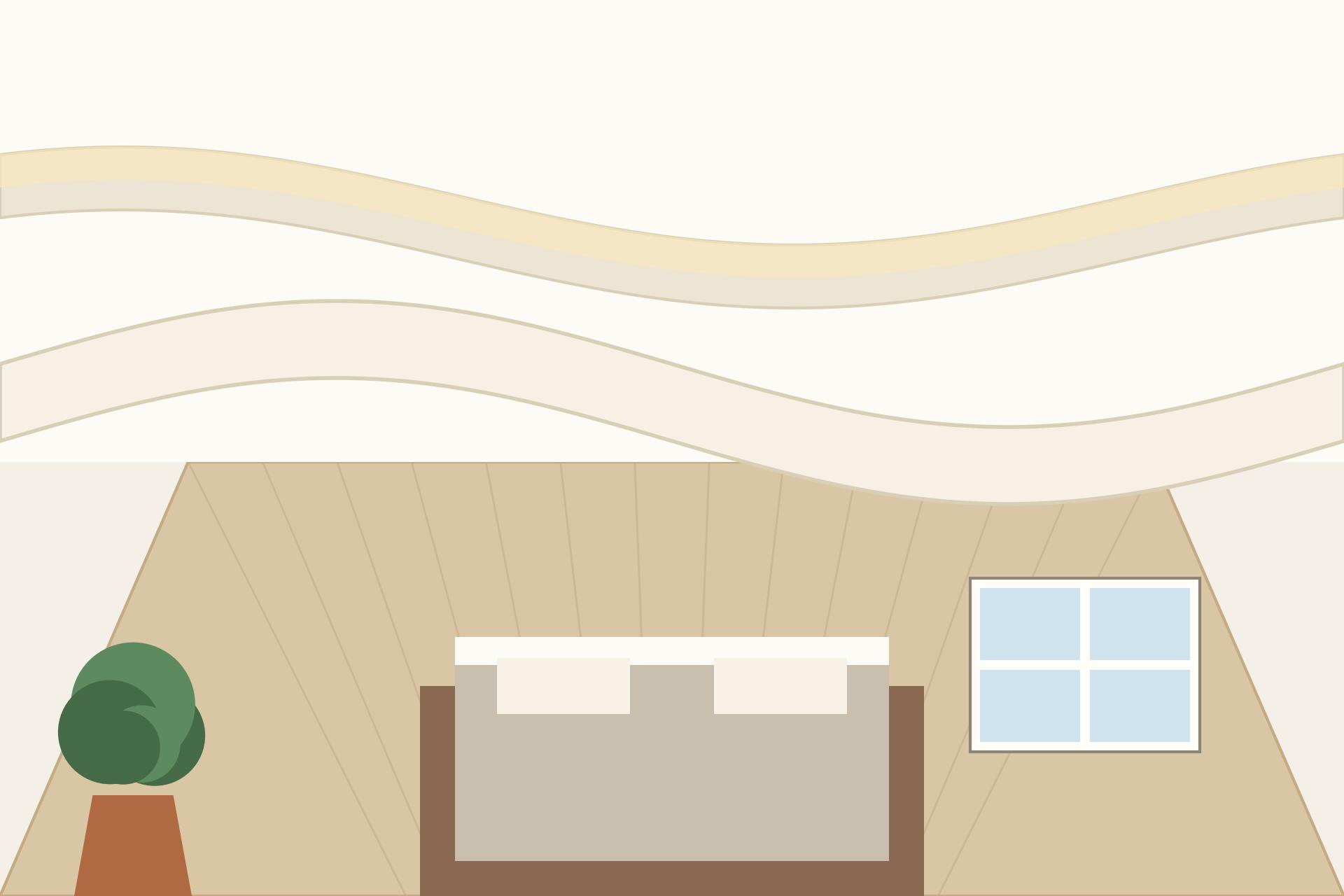
Curved POP ceilings — waves, arcs and soft undulations — add movement to halls and large bedrooms. Curves are where POP beats every board material, but they cost more because shaping takes longer (curved POP was the highest band in Housing.com’s 2025 price table).

3. Geometric stepped patterns
Squares, rectangles and stepped borders in plaster, often with recessed LED strips in the steps. Crisp and modern while staying fully hand-made.
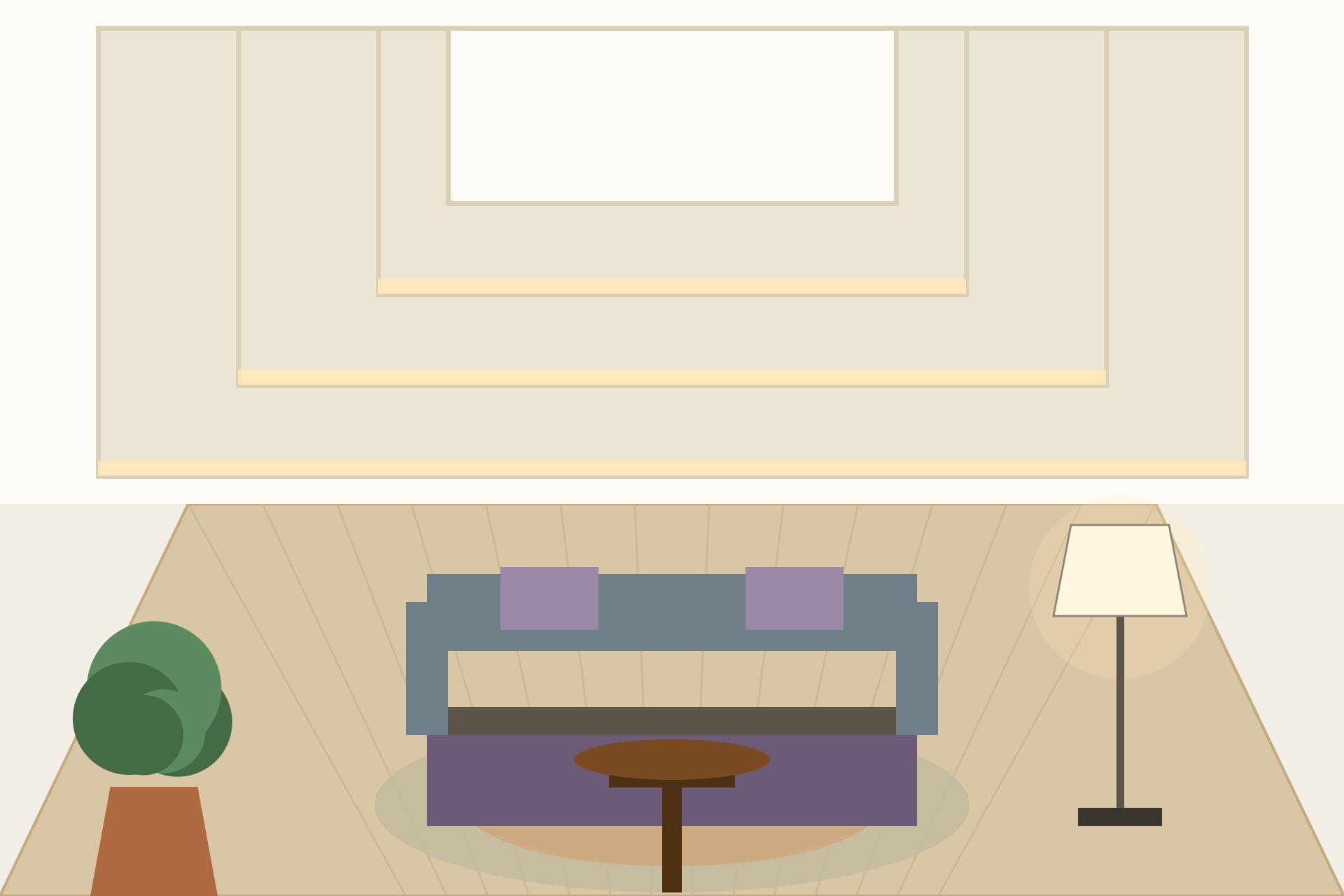
4. Simple perimeter border with cove light
A POP border around the room’s edge with warm cove lighting, leaving the centre flat. The budget-friendly way to get a designed ceiling — and a good match for bedrooms.
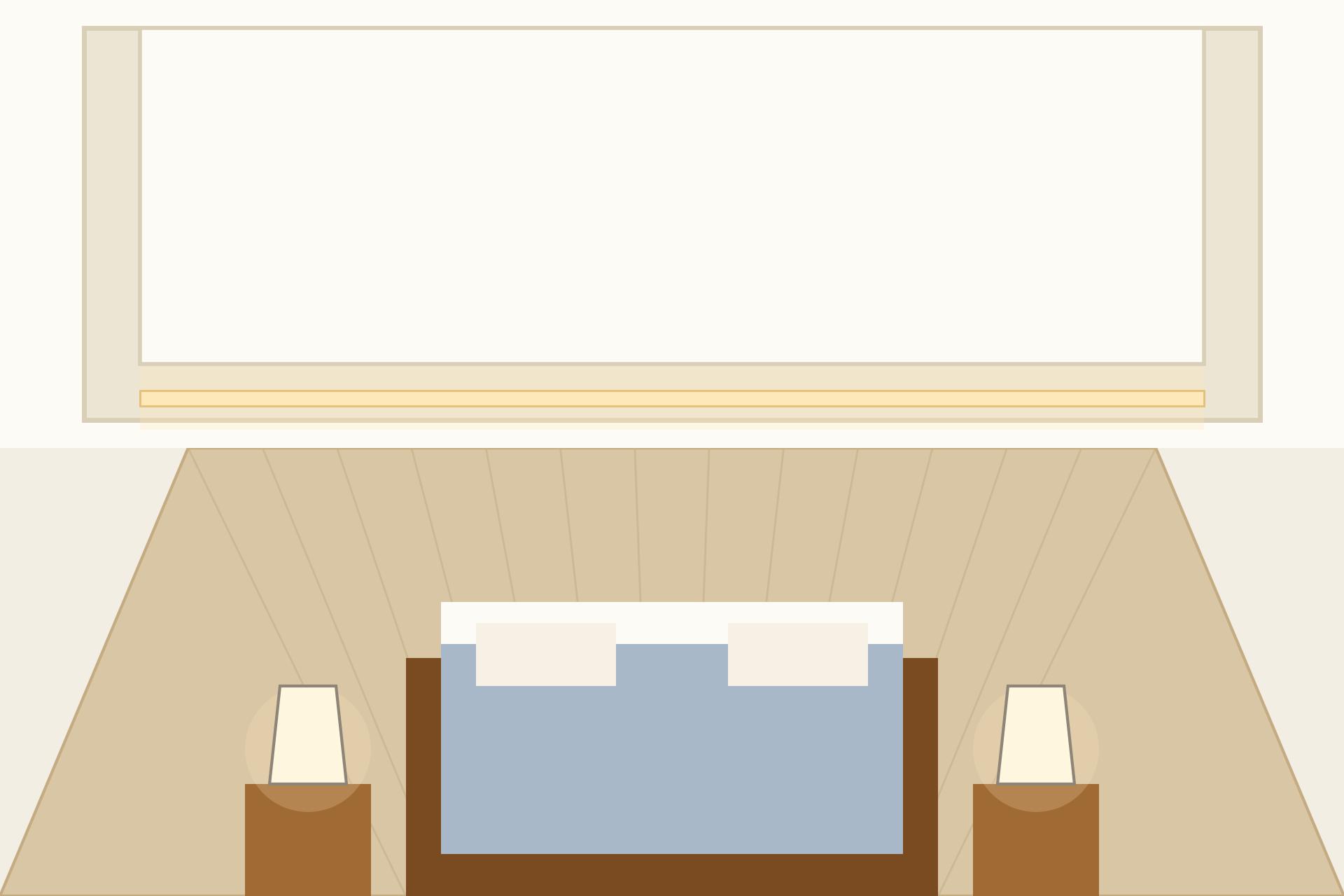
5. Cornices and wall mouldings
Elegant POP cornice mouldings where the wall meets the ceiling, sometimes layered in two or three steps. A small detail that makes plain walls look finished.

6. Designer POP with Indian motifs
“Designer POP” usually means ornamented ceilings: floral jaali patterns, jharokha-style arches, paisley borders and lotus medallions worked into the plaster. Popular in drawing rooms and pooja spaces where traditional detail is wanted.

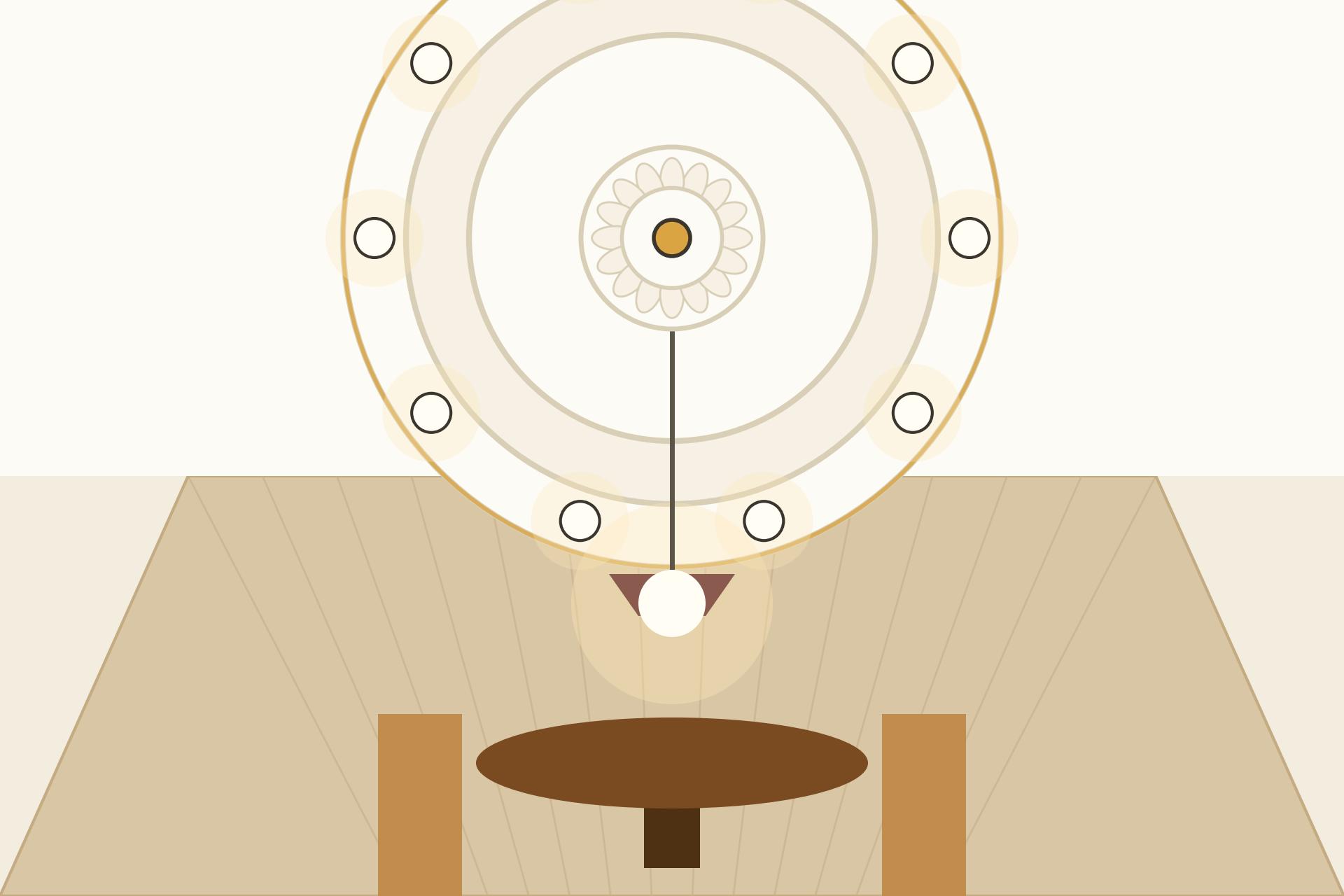
7. Circular centrepiece over the dining table
A round POP medallion or ring centred over the dining table, with a pendant hanging from its middle. Anchors the dining zone without walls.
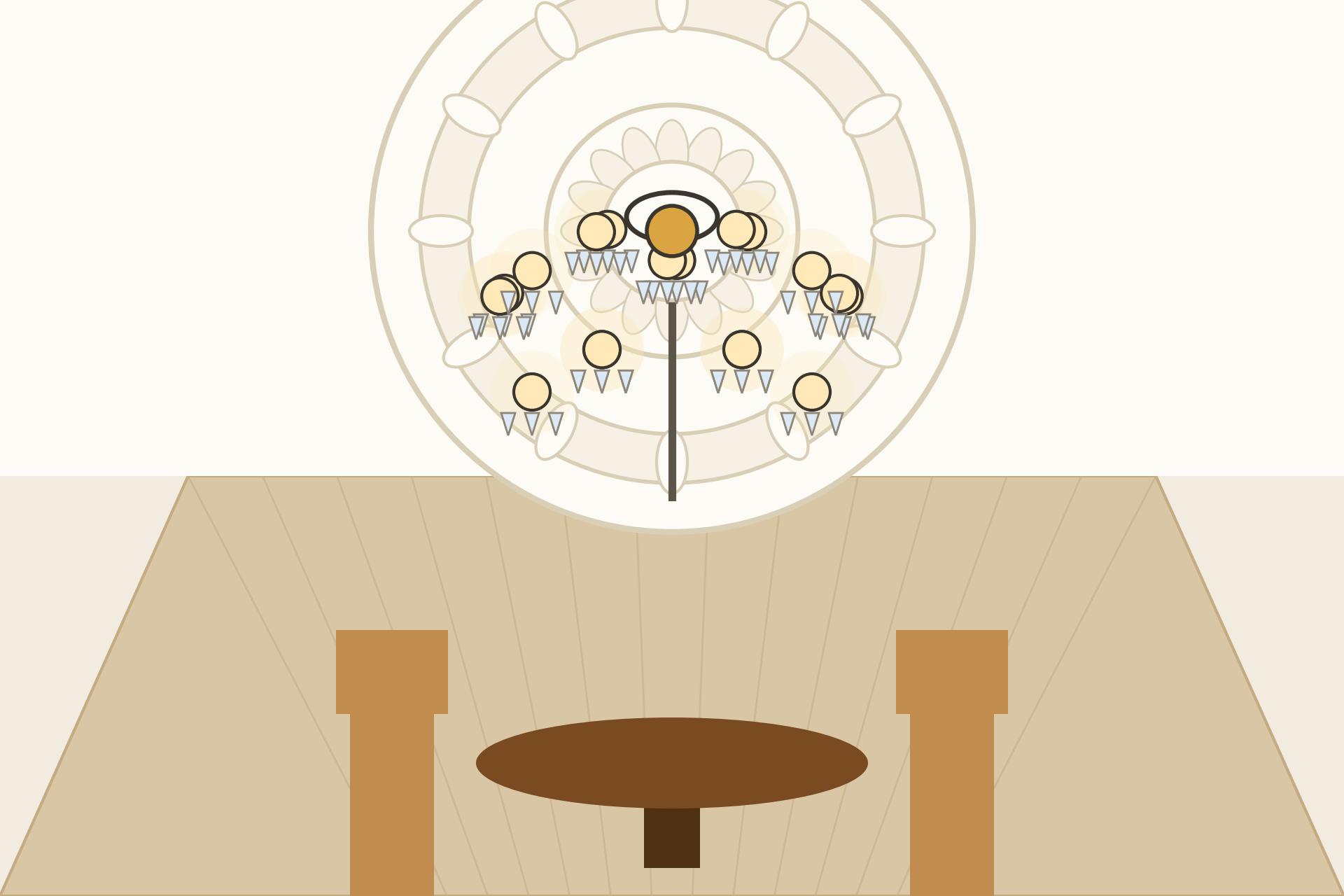
8. Layered multi-level POP
Two or three dropped levels with cove lighting between them. Dramatic and best for large rooms with high slabs — multi-level work sits in the upper price bands.
POP false ceiling cost in India: dated bands
POP pricing depends on design complexity more than the material itself — the plaster is inexpensive; the karigar’s time is what you pay for. Two dated Indian sources give the picture:
| Design type | 2025 band (Housing.com) | 2026 band (NoBroker) |
|---|---|---|
| Simple flat POP | ₹40–60 / sq ft | ₹65–95 / sq ft |
| POP with basic lighting layout | ₹70–100 / sq ft (excl. fixtures) | Single cove ₹100–155 / sq ft |
| Geometric / textured | ₹50–80 / sq ft | — |
| Multi-level | ₹60–90 / sq ft | Premium with wood / multi-layer ₹200–350 / sq ft |
| Curved | ₹90–130 / sq ft | — |
Scope notes, read carefully: the 2025 Housing.com bands are per sq ft for the ceiling work as quoted in that guide; its “with lighting” band excludes the fixtures themselves. NoBroker’s 2026 bands are described as material + basic labour, with lighting fixtures, electrical work and painting quoted separately. Neither is today’s rate — use them to understand the relative cost of designs (simple < geometric < multi-level < curved), then get a fresh written quote for your city.
What pushes a POP quote up or down: design complexity and curvature, number of levels, medallions and mouldings, room size, the karigar’s skill level, and your city. Simple borders in a small bedroom sit at the bottom; ornate curved multi-level work in a large hall sits at the top.
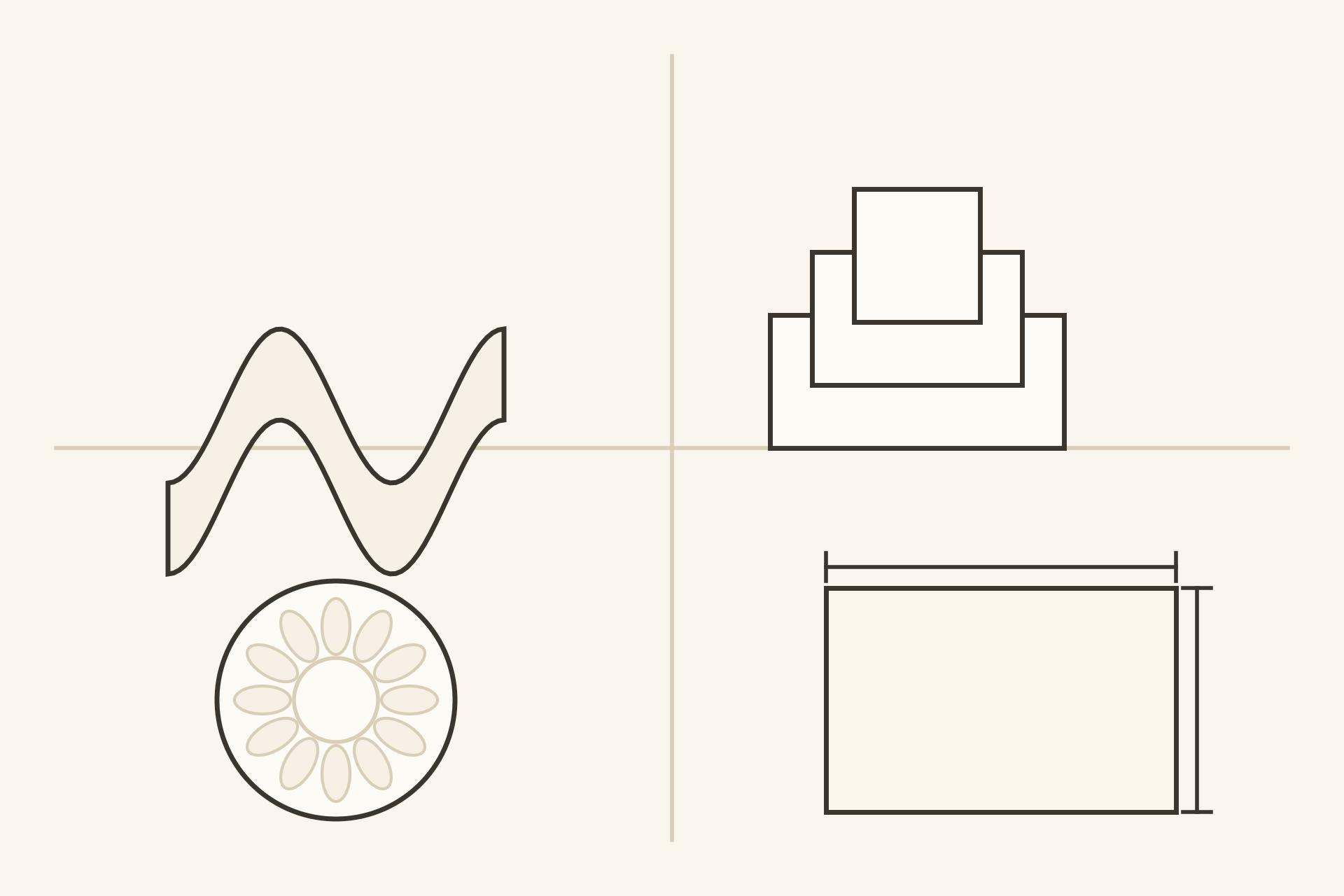
POP vs gypsum: an honest comparison
POP and gypsum are often confused because both end up as smooth white ceilings, but they are made — and behave — very differently. For how ceiling materials compare across the whole home, see our complete guide.
| POP | Gypsum | |
|---|---|---|
| How it’s made | Wet plaster applied by hand over wire mesh, shaped on site | Factory-made boards screwed to a frame, joints taped |
| Curves & ornament | Excellent — any curve, medallion or motif | Limited — best for straight lines and simple shapes |
| Finish | Seamless, sculpted | Smooth, flat; joints must be finished well |
| Speed | Slower — layering, shaping and drying take days | Faster — boards go up quickly |
| Skill dependence | Very high — the karigar decides the result | Moderate — standardised process |
| Cracking | Can crack if workmanship is poor (Housing.com 2025; Coohom 2026) | Straighter, more stable edges (Coohom 2026) |
| Moisture | Sensitive — not for wet areas | Standard boards also dislike water; moisture-resistant boards exist |
| Repairs | Difficult — patching must be re-shaped and blended by hand | Easier — a damaged board section can be replaced |
| Best for | Ornate, traditional, statement ceilings | Clean, modern, quick ceilings |
The short version: choose POP when the design is the point — curves, medallions, Indian motifs. Choose gypsum for clean modern ceilings finished quickly with predictable straight lines.
Which rooms suit POP — and which don’t
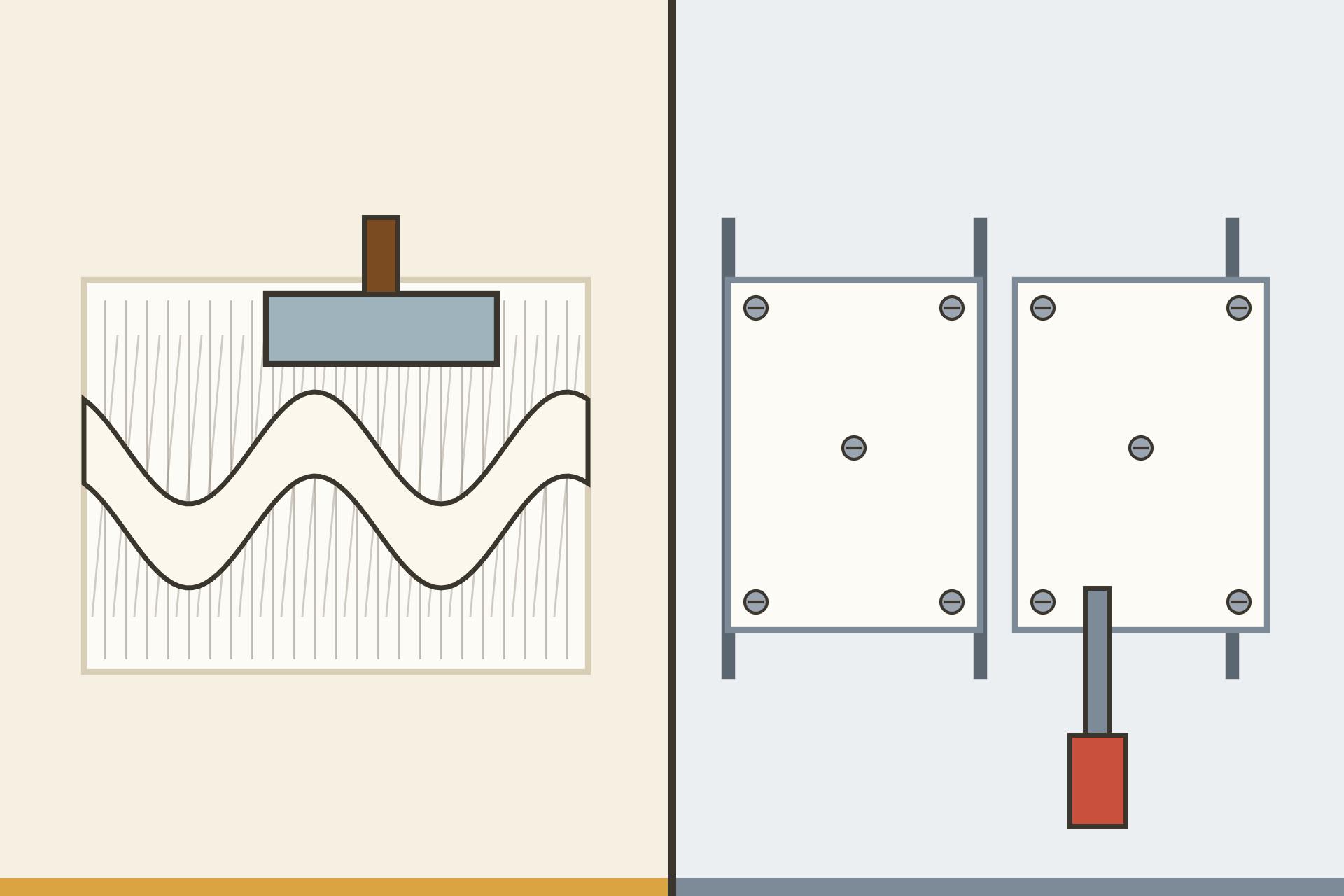
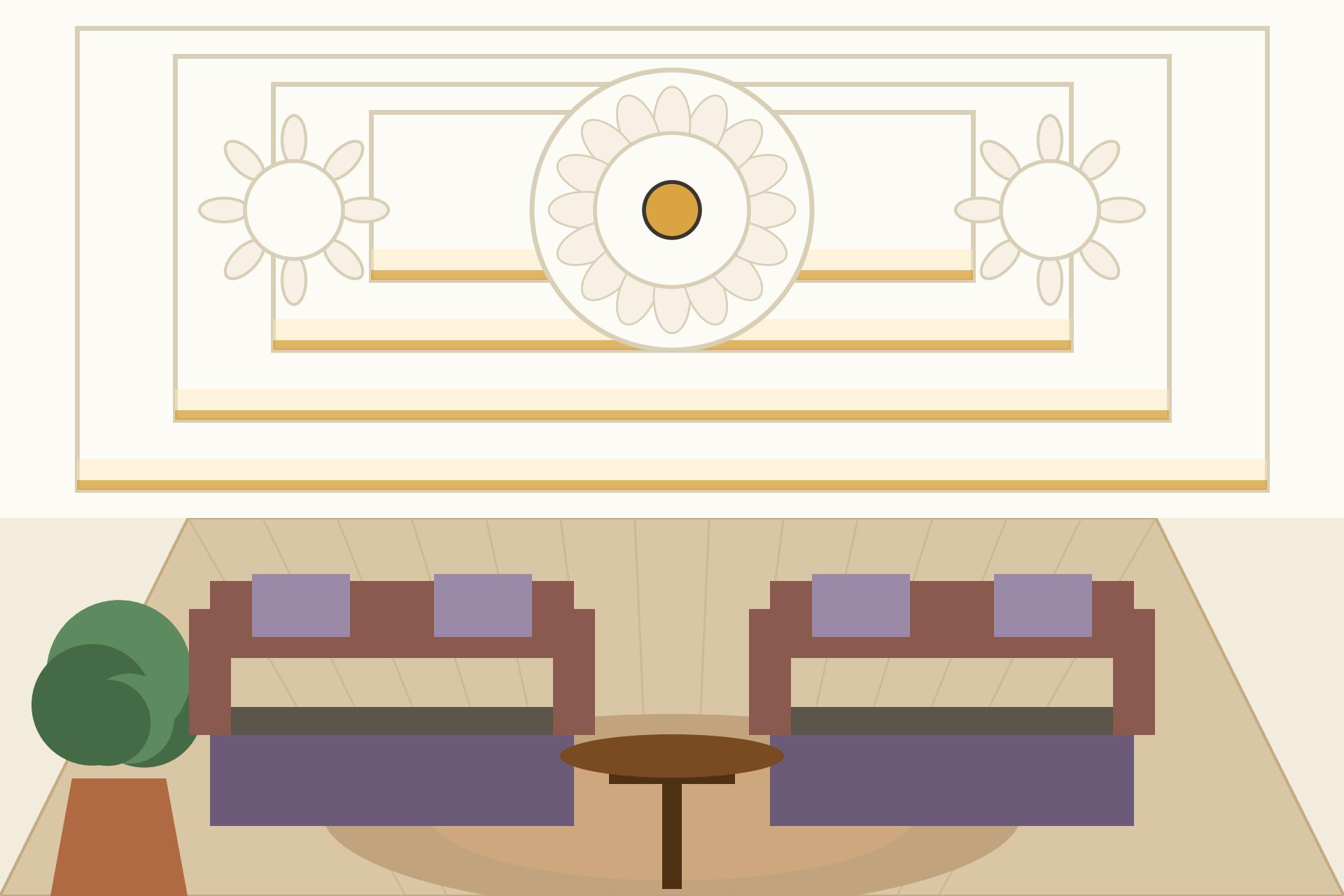
POP shines in: living and drawing rooms (ornate medallions, chandelier centrepieces), bedrooms (soft curves, simple borders), dining rooms (circular centrepieces), pooja rooms (traditional motifs — see our pooja room false ceiling designs), and lobbies or foyers where a decorative ceiling makes the entrance.


Avoid POP in: bathrooms, balconies and any damp or outdoor area — POP is moisture-sensitive and can soften, stain or crumble where water reaches it (Housing.com 2025). Kitchens are a maybe: fine on the dry dining side, risky directly over heavy cooking steam without good ventilation. Think twice for very low ceilings too — POP needs slab height, and Housing.com’s 2025 guide lists “not for low ceilings” among its drawbacks. For reference, NoBroker’s 2026 guide gives minimum slab heights of 8.5 ft for flat POP, rising to 11 ft for multi-layer work.

Fans, chandeliers and lights in a POP ceiling
POP ceilings carry lights beautifully — cove LEDs, recessed spots and pendants all sit well in plaster. But heavy fittings need proper structural support:
- Ceiling fans: the fan must hang from a rod anchored to the concrete slab above — never from the POP skin. Keep at least 8 inches of clearance above the fan blades from the ceiling panel, and plan for a minimum room height of about 9 ft where a fan is used (NoBroker 2026 guide).
- Chandeliers: the same rule — the fixing goes into the slab through the ceiling, and the medallion is decoration around it, not the support.
- Cove and recessed lights: plan the wiring before plastering starts; cutting channels into a finished POP ceiling for forgotten wiring is messy and expensive.
Have a qualified electrician handle all wiring and a qualified installer decide fixings — the guidance above is conservative planning, not an installation specification.
Maintenance: keeping a POP ceiling good for years
A POP ceiling that is sealed, painted, kept dry and ventilated can last 15–20 years (NoBroker 2026). The maintenance is simple but non-negotiable:
- Keep it dry: fix any roof or plumbing leak above the ceiling immediately — water is POP’s main enemy.
- Dust regularly: mouldings and medallions collect dust; a soft brush or dry cloth keeps them clean.
- Repaint periodically: a fresh coat of paint every few years seals the surface and keeps it looking new. Use the primer-plus-paint system your painter recommends for plaster.
- Hairline cracks: small cracks can appear, especially if the original workmanship was rushed. Minor ones are filled with putty, sanded and repainted; spreading or recurring cracks mean the frame or mesh underneath needs a professional look.
- Don’t hang from it: never hang heavy planters, swings or equipment from a POP ceiling — fixings belong in the slab.

Hiring a POP karigar: what to check
Since the craftsman decides the result, choosing well matters more than choosing the cheapest quote:
- See finished work: visit at least one completed ceiling by the same karigar, ideally a year or more old — that shows how the work ages.
- Ask about the frame and mesh: what the suspension frame is made of, how the mesh is fixed, and how many plaster layers are planned.
- Ask about drying time: a karigar who plans proper setting and drying time between stages is more trustworthy than one who promises the fastest finish.
- Get the scope in writing: design, levels, mouldings, primer and paint coats, lighting cut-outs, and what happens if cracks appear — written, not verbal.
- Check the height plan: confirm the finished ceiling level leaves comfortable room height, especially where fans will hang.

FAQs
Is POP or gypsum better for a false ceiling?
Neither is universally better. POP wins on ornament — curves, medallions, mouldings and Indian motifs shaped by hand. Gypsum wins on speed, straight lines and easier repairs. Choose POP when the ceiling design is the star; choose gypsum for clean modern ceilings finished quickly.
How long does a POP false ceiling last?
About 15–20 years when it is properly sealed and painted, kept dry and ventilated, according to NoBroker’s 2026 guide. Moisture and poor workmanship shorten that significantly.
What does a POP false ceiling cost per sq ft in India?
Dated Indian guides put simple POP at roughly ₹65–95 per sq ft in 2026 (NoBroker) and ₹40–60 in 2025 (Housing.com), rising to ₹200–350 for premium multi-layer work in 2026. Treat these as dated reference bands for comparing designs, and get a fresh written quote for your city and design.
Can POP be used in a bathroom or balcony?
No — POP is moisture-sensitive and not suited to wet or outdoor areas. Bathrooms and balconies need moisture-proof materials instead.
Does POP ceiling crack?
It can, usually from rushed workmanship, movement in the frame, or moisture. Hairline cracks are repairable with putty and repainting; the best prevention is a skilled karigar and proper drying time.
Should you choose POP?
Choose POP if you want a ceiling with character — curves, medallions, cornices or traditional Indian motifs shaped by hand — and you have the ceiling height and timeline it needs. Budget for skill, not just material: the karigar’s hands are what you’re buying. Avoid it for wet areas, very low ceilings, and rush jobs. Done well and kept dry, a POP ceiling is the most decorative ceiling an Indian home can have — and it will still look hand-made, because it is.
All images in this article are original concept renders created for illustration — not photographs of completed projects.


Pingback: No False Ceiling? 10 Alternatives & Honest Guide
Pingback: Simple POP False Ceiling Designs: Easy Ideas for Every Room