
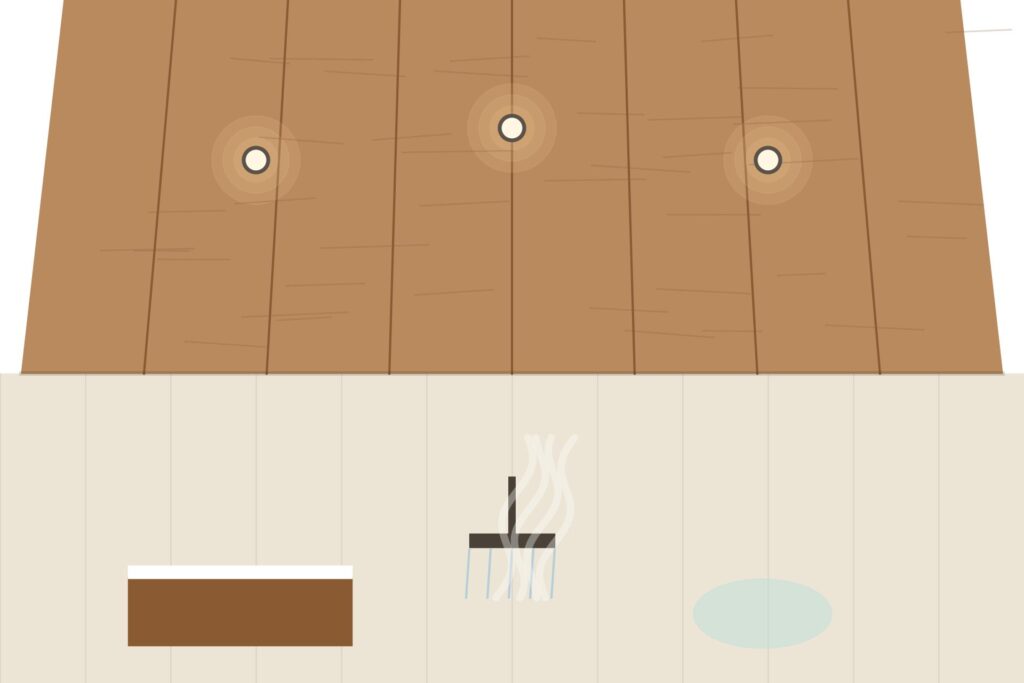

PVC false ceiling panels are the practical answer for Indian homes where moisture is the enemy: bathrooms, balconies, kitchens, and any ceiling that sees steam, splashes, or monsoon air. They are interlocking plastic panels that click together over a light frame — fully waterproof, termite-proof, budget-friendly, and installed quickly without putty or paint. The trade-offs are real, though: visible panel joints, a flatter look than gypsum, heat dulling the surface over years, and fire behaviour that is retardant only to a degree — never fireproof (Magicbricks hall FAQ, retrieved September 2026). This guide covers what PVC panels are, the design options that look good (plain, wood-finish, printed, backlit), honest pros and cons against gypsum and POP, 2026 cost framing, installation, maintenance, and where PVC does and doesn’t belong.
For planning every room’s ceiling together, see our complete false ceiling design guide.
What PVC false ceiling panels actually are
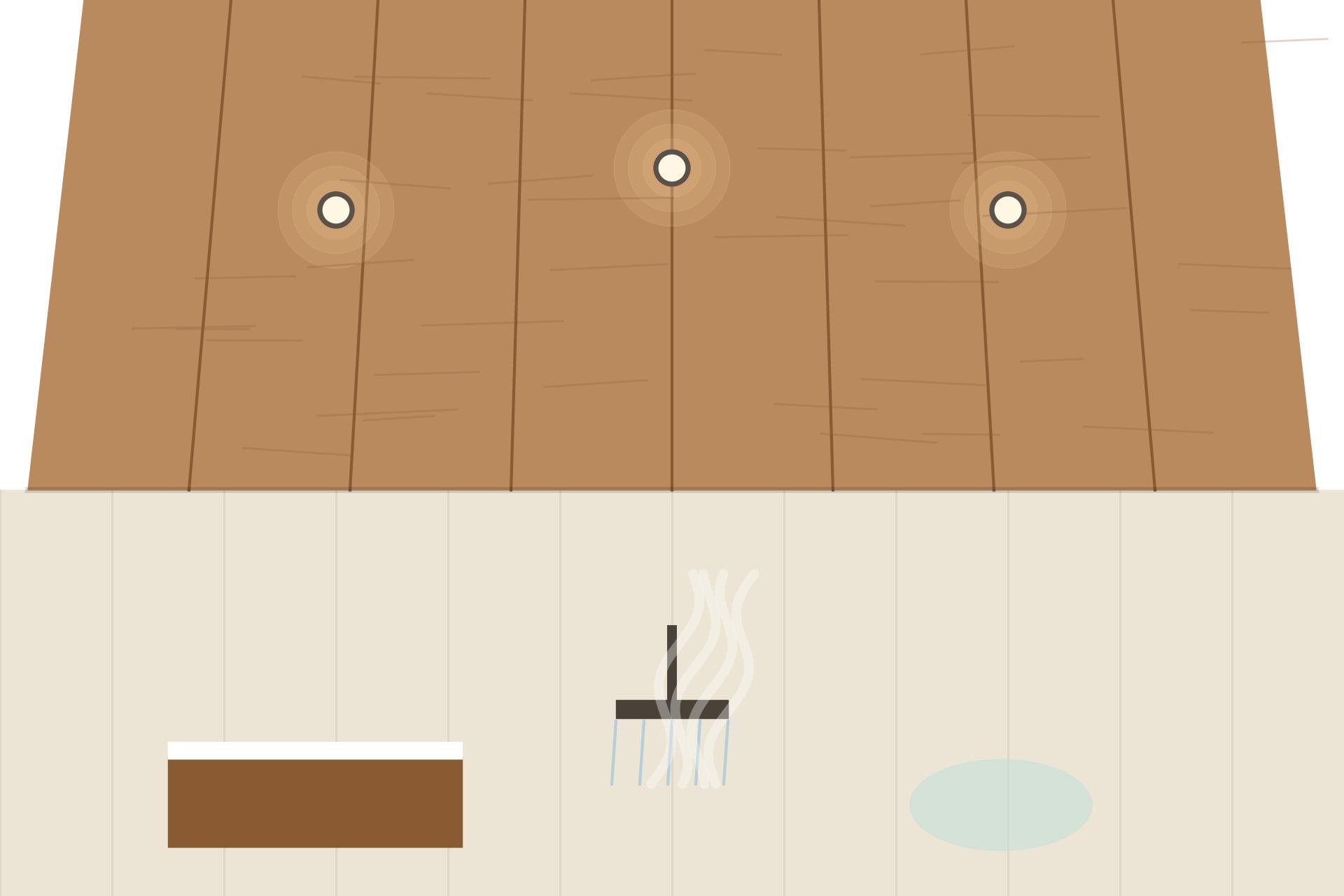
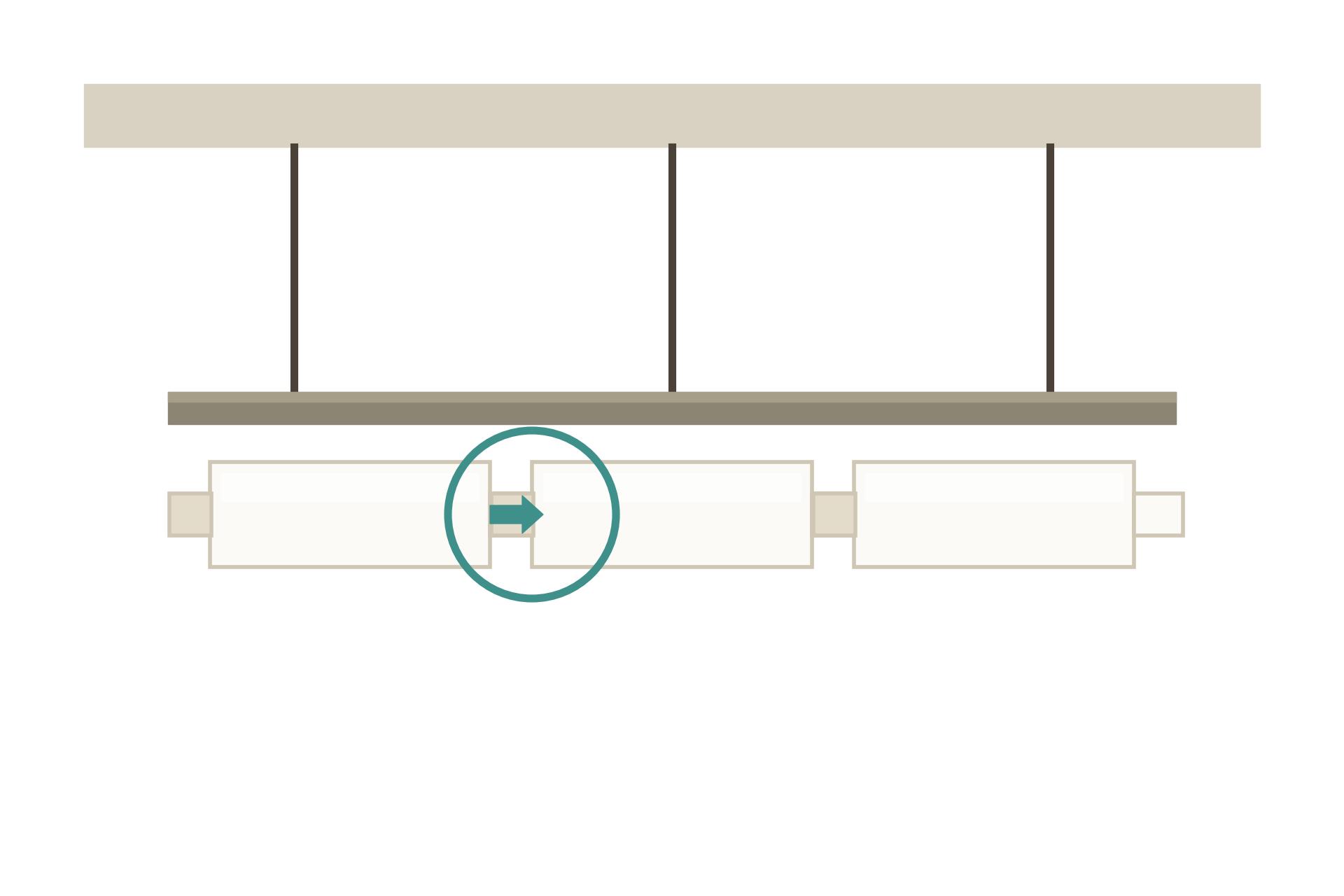
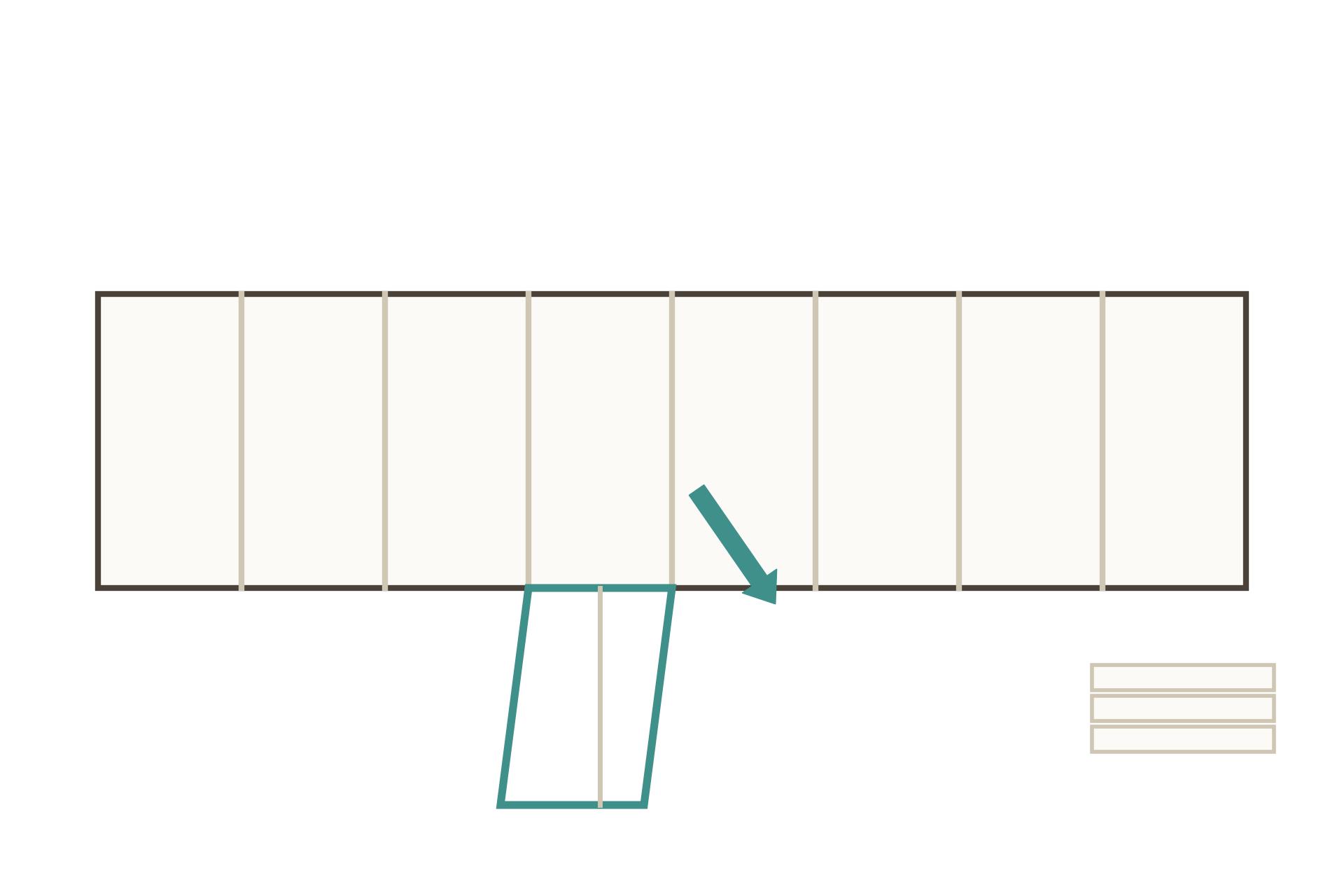
A PVC false ceiling is not a plastered or boarded surface. It is a set of long plastic (polyvinyl chloride) panels with a tongue-and-groove edge: each panel’s tongue slides into the previous panel’s groove, so the run locks together and hangs from a light frame fixed to the slab. Panels arrive factory-finished — colour, print, and gloss baked in — so there is no plastering, no putty, no painting.
That construction explains almost everything about how PVC looks and behaves:
- Joints are always visible. The grooves between panels are part of the system; wider panels and tight fitting minimise them, but a PVC ceiling never reads as one seamless surface like gypsum.
- Light. A PVC panel weighs a fraction of a gypsum board, so the frame is light and installation is fast.
- Fixed finish. What the panel looked like in the shop is what lands on your ceiling — convenient, but you can’t repaint your way out of a colour you tire of.
PVC false ceiling designs that look good
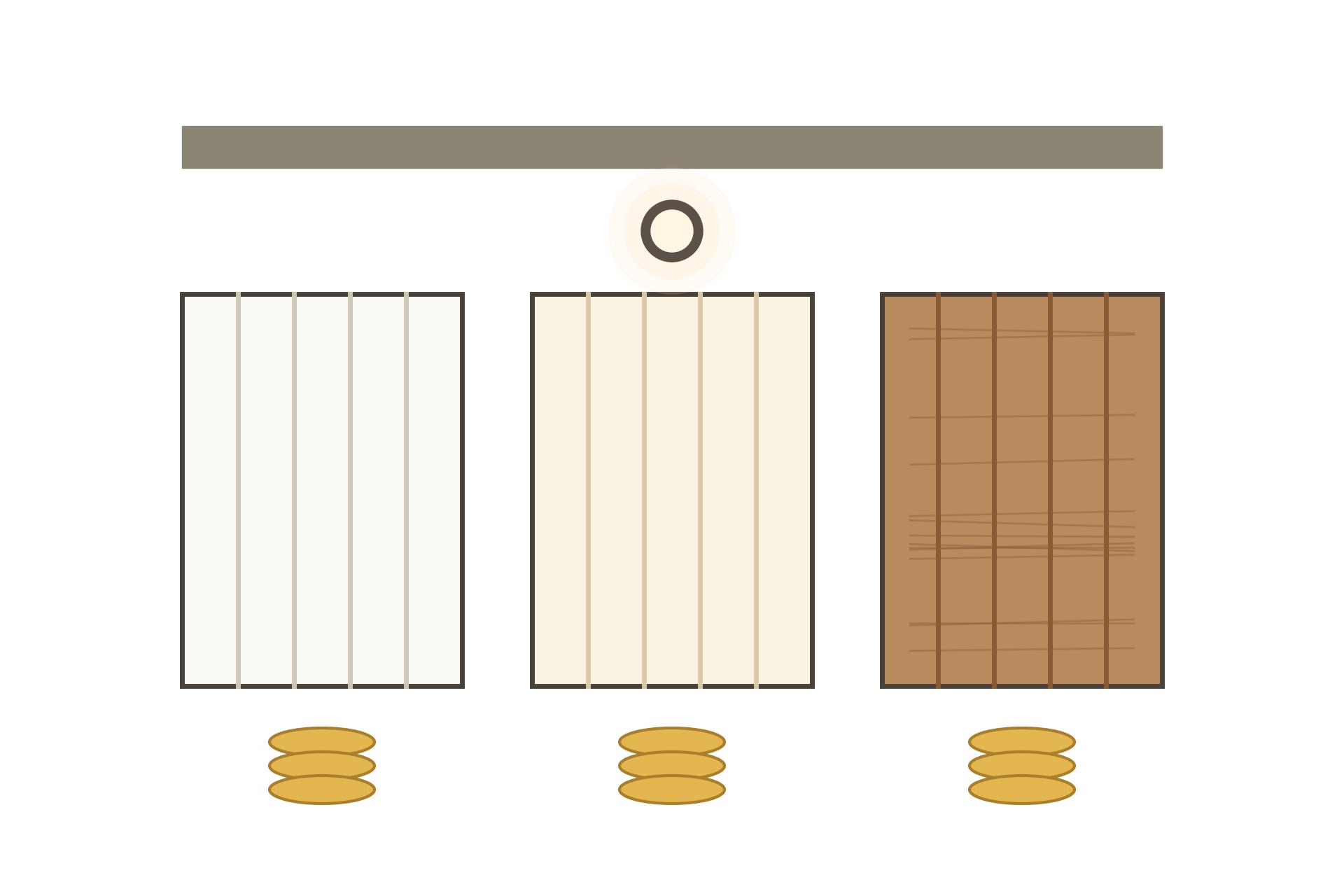
PVC’s design range is narrower than gypsum’s or POP’s, but wider than most people expect. Five levers: finish, pattern, width, colour, and light.
1. Plain white panels — clean and cheapest
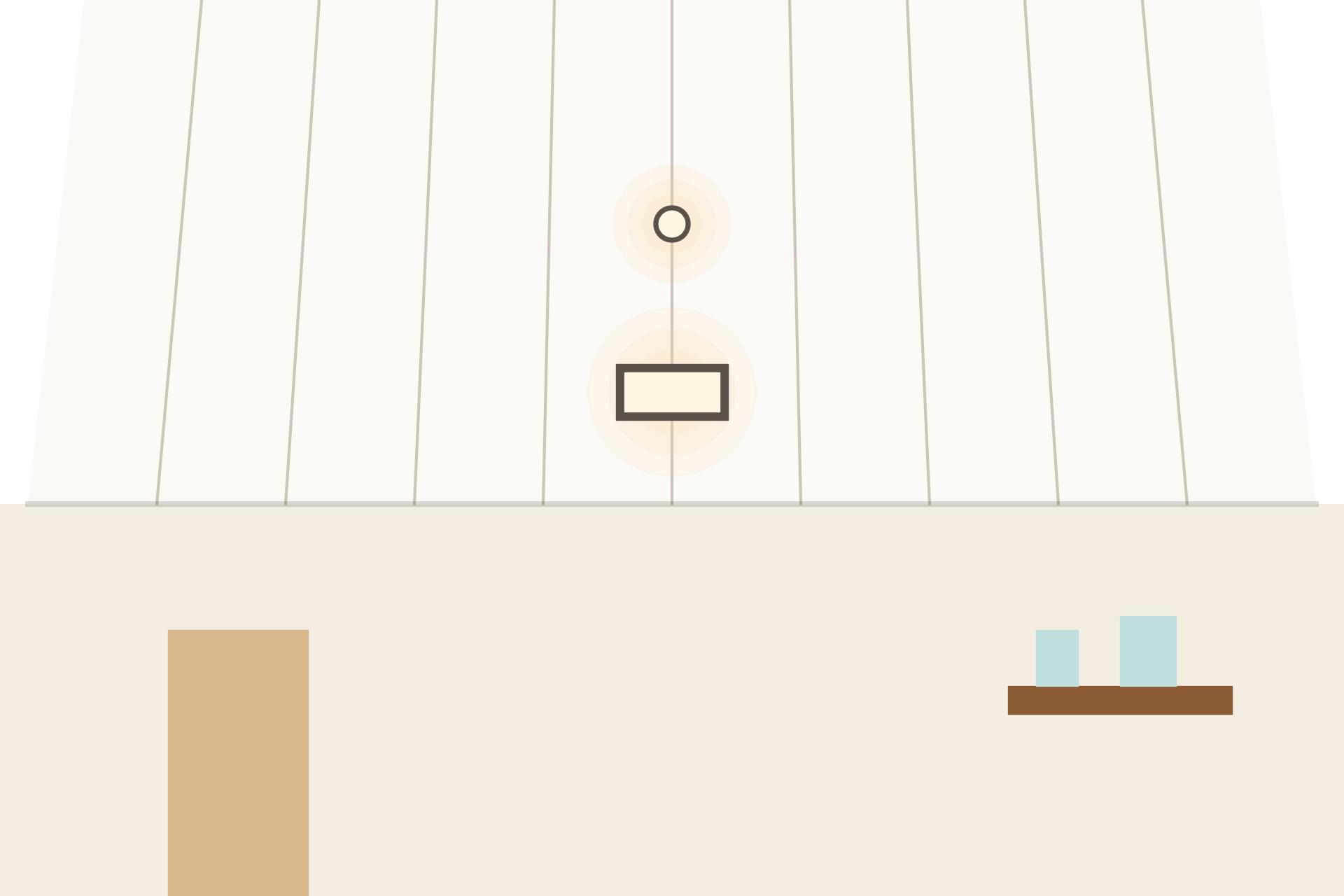
The default: matte or satin white panels with fine grooves. In a bathroom or utility area this is all you need — bright, neutral, the cheapest option everywhere. Align grooves with the room’s long axis and the ceiling reads longer.
2. Wood-finish printed panels — warmth without wood
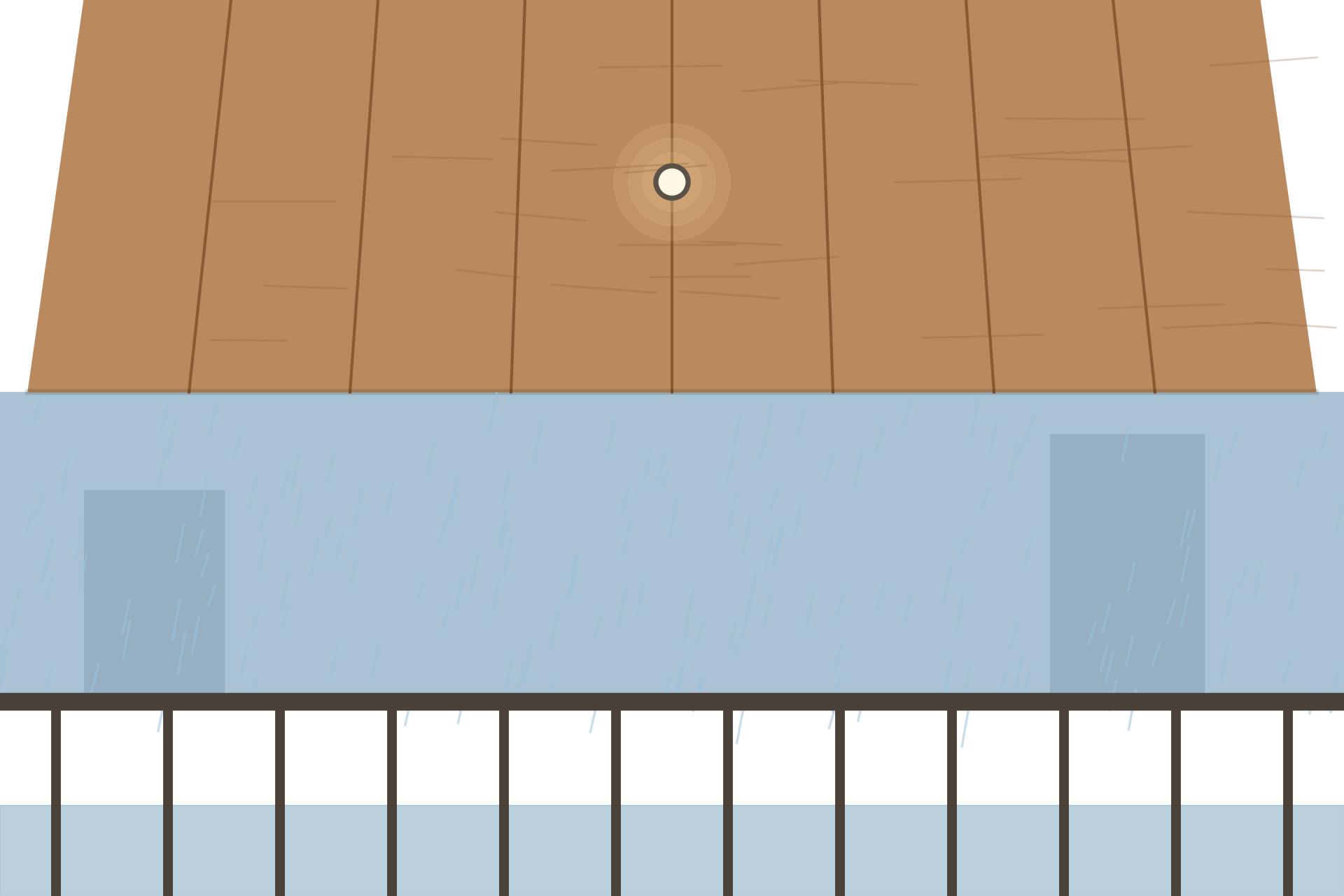
The most popular decorative PVC option in India: panels printed with wood grain in teak, walnut, and wenge tones. On a balcony or passage they give a warm, woody ceiling at a fraction of wood’s cost — never swelling, warping, or attracting termites in monsoon air. Magicbricks’ balcony checklist (August 2026) calls PVC “ideal for balconies as they are waterproof” — the wood-finish variants are why so many new-flat balconies wear that look.

3. Printed patterns and colours
Floral prints, geometrics, marble textures, and solid colours (beige, grey, pastel blue) come as factory prints. Two honest notes: prints work best in small doses — a full floral ceiling in a large room tires the eye fast — and coloured panels show dust and scratches more than white. Always sample the panel in daylight; prints vary a lot between manufacturers.
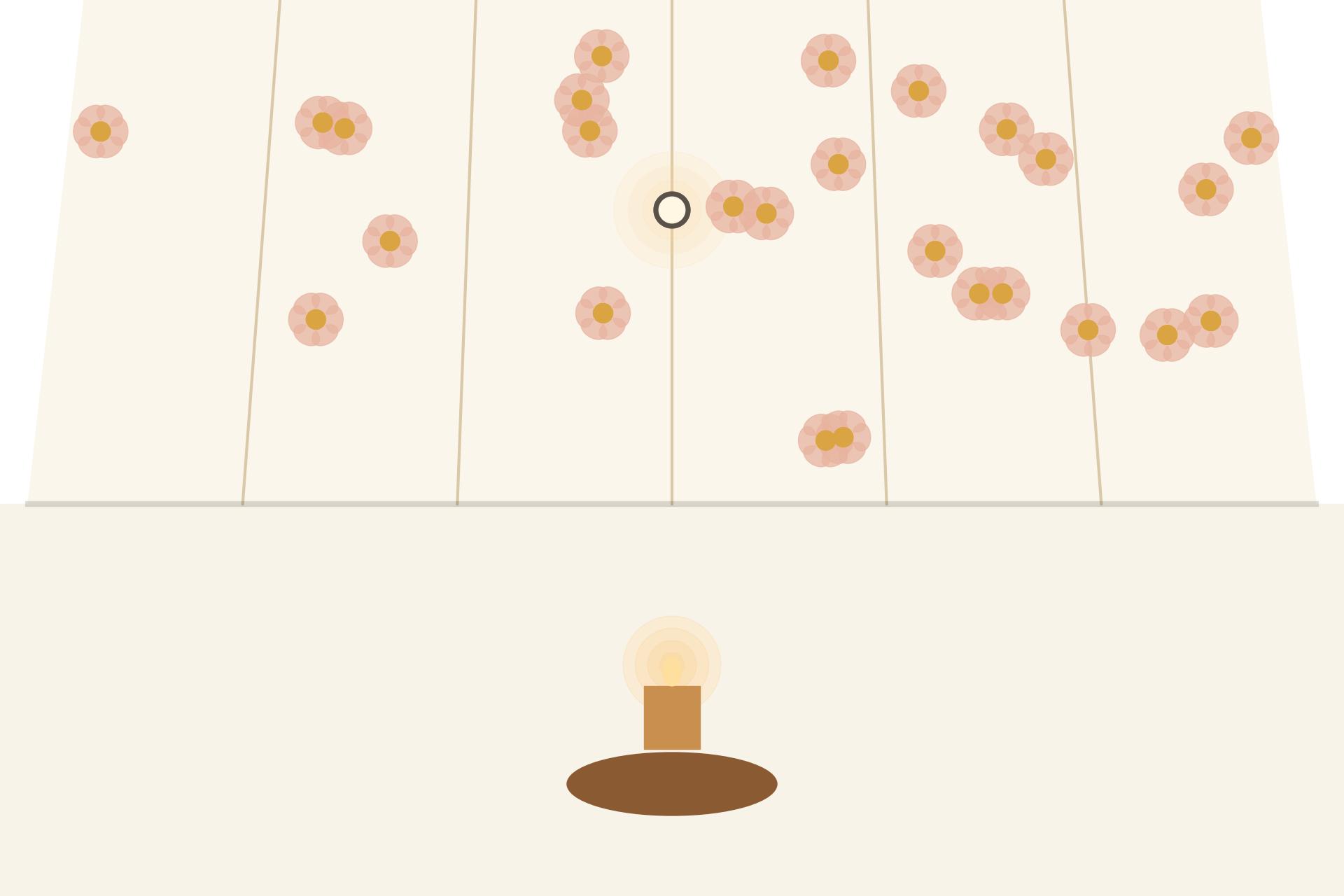
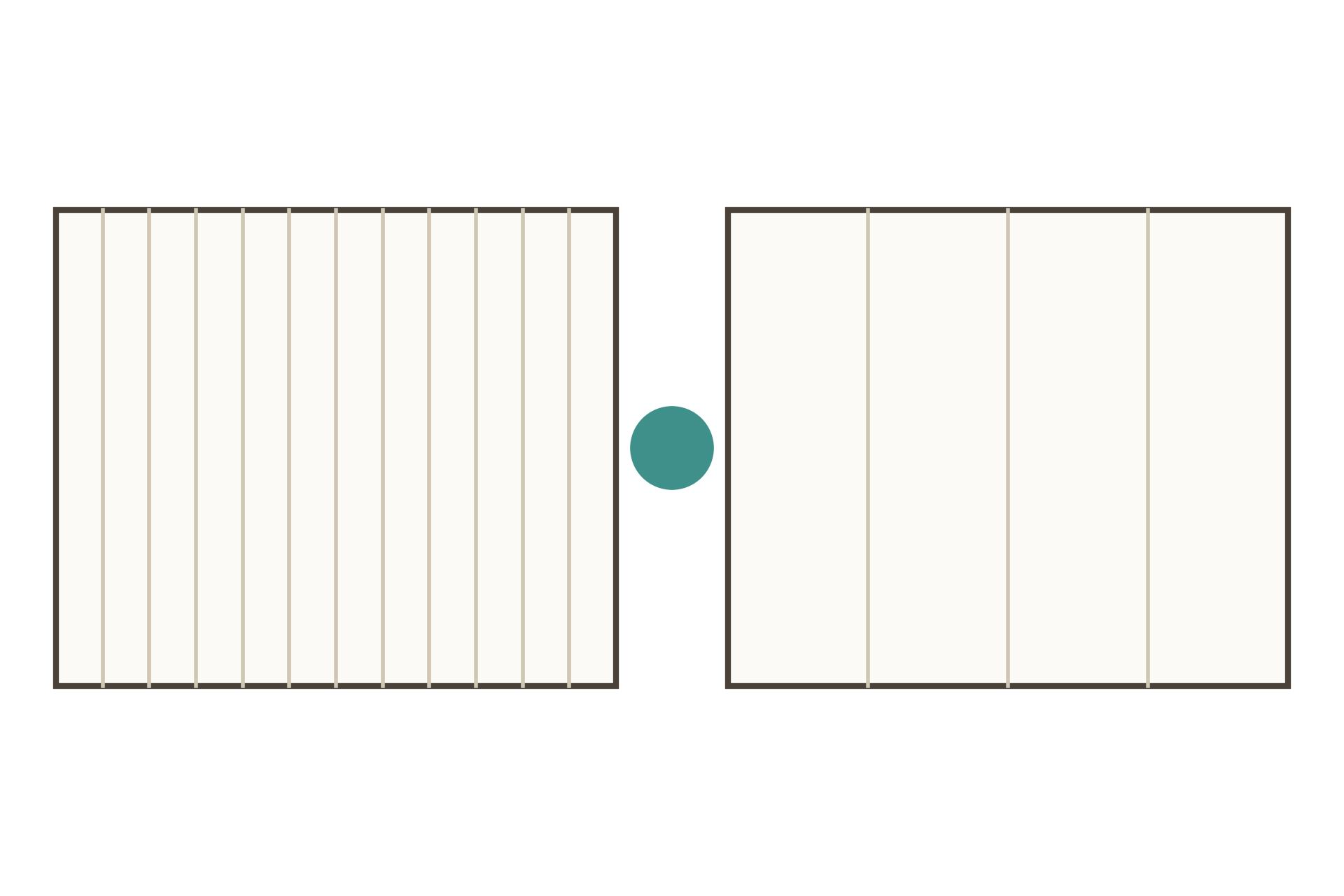
4. Panel width — the quiet design lever
Narrower panels mean more grooves per metre — a fine rhythm that suits small rooms. Wider panels mean fewer visible joints and a calmer read, closer to a plain ceiling. If visible joints bother you, wider panels in a matte finish are the combination to ask for.
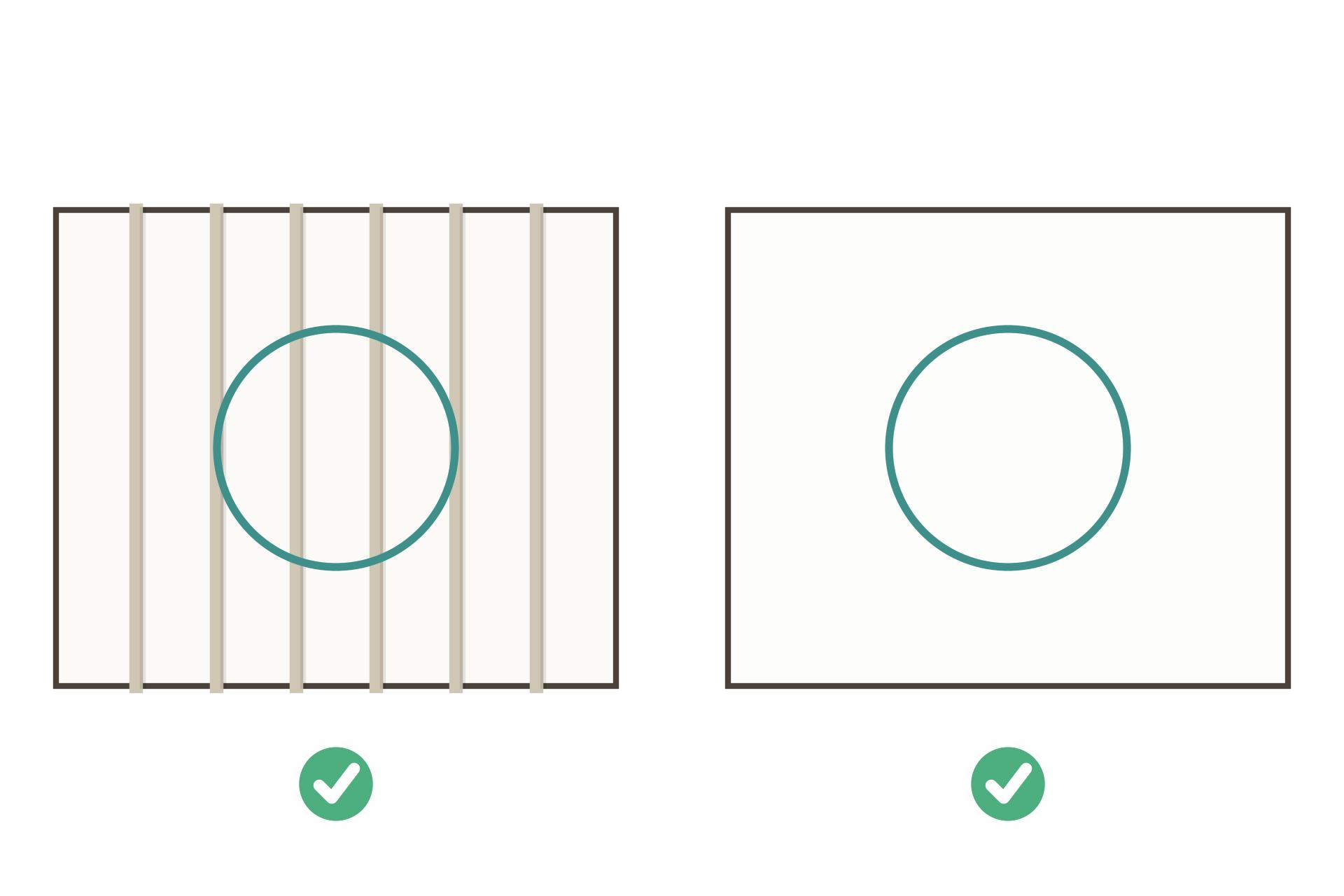
5. Backlit and translucent panels
Translucent panels with LEDs behind them glow softly — a practical trick for windowless bathrooms and dark passages. Keep the light source serviceable: individual panels come down for access, so don’t seal lighting where you can’t reach it.

Honest pros and cons: PVC vs gypsum vs POP
Every material comparison online lists PVC as “waterproof and cheap” and stops there. Here is the fuller picture:
| PVC panels | Gypsum board | POP | |
|---|---|---|---|
| Water resistance | Fully waterproof — steam and splashes don’t damage it | Sags in moisture unless moisture-resistant board is used | Poor — moisture stains and crumbles it |
| Termites | Termite-proof — it’s plastic | Paper facing can attract pests when damp | Not a food source, but damp POP invites trouble |
| Finish | Factory finish; joints always visible | Seamless and smooth after jointing and paint | Seamless; best for ornate mouldings and curves |
| Premium look | Flatter, less premium than gypsum | The standard “premium” ceiling look | Richest decorative detail — cornices, medallions |
| Fire behaviour | Retardant “to a degree, not completely fireproof” (Magicbricks FAQ) | Fire-resistant boards available | Non-combustible plaster |
| Install speed | Fastest — no putty, no paint | Jointing, putty, and paint add days | Slowest — skilled artisan work, curing time |
| Repairs | Individual panels can be replaced | Patch, putty, repaint the section | Patch and blend — needs a skilled hand |
| Heat ageing | Can yellow or dull with prolonged heat | Paint refreshes the surface | Repaintable |
| Scratches/dents | More visible, especially on glossy panels | Dents patch out | Dents patch out |
The most common disappointment: buyers expect a seamless ceiling and get panel grooves. Know this before you buy — wider matte panels — and you’ll be happy.
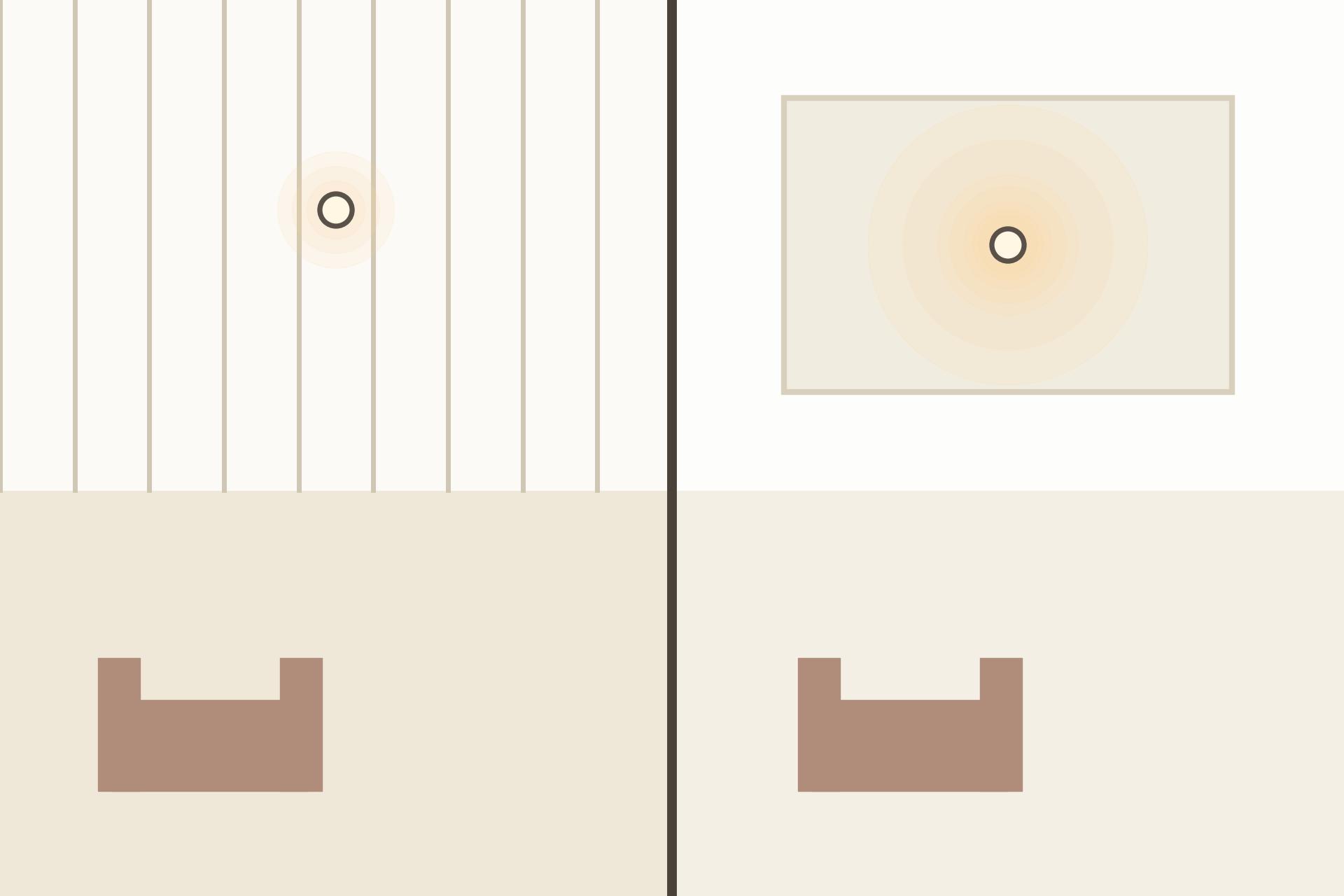

Where PVC makes sense — and where it doesn’t
PVC’s decision rule is simple: choose it where moisture wins, skip it where looks or fire safety win.
Best rooms for PVC
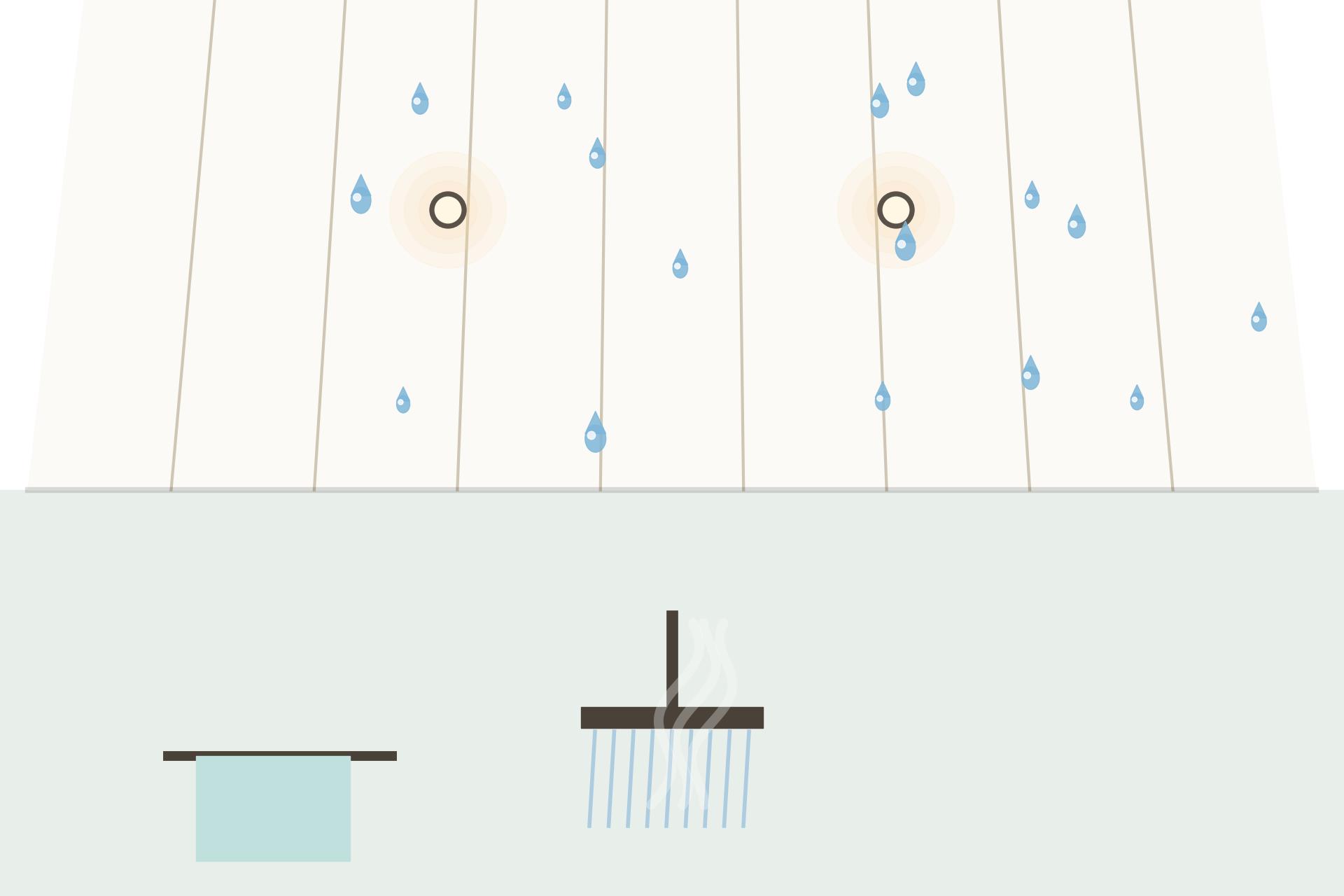
- Bathrooms: the classic PVC room — steam and splashes do nothing to plastic, and a wipe-down restores the panels. Backlit translucent panels solve windowless bathrooms. See our bathroom false ceiling designs for room-specific planning.
- Balconies: semi-open balconies take rain splash, humidity, and heat — exactly what PVC shrugs off, and wood-finish panels are the popular choice. Still do the pre-install checks: repair dampness first, plan drainage and ventilation, check society rules (Magicbricks, August 2026). Our balcony false ceiling design guide covers exposure-level planning.
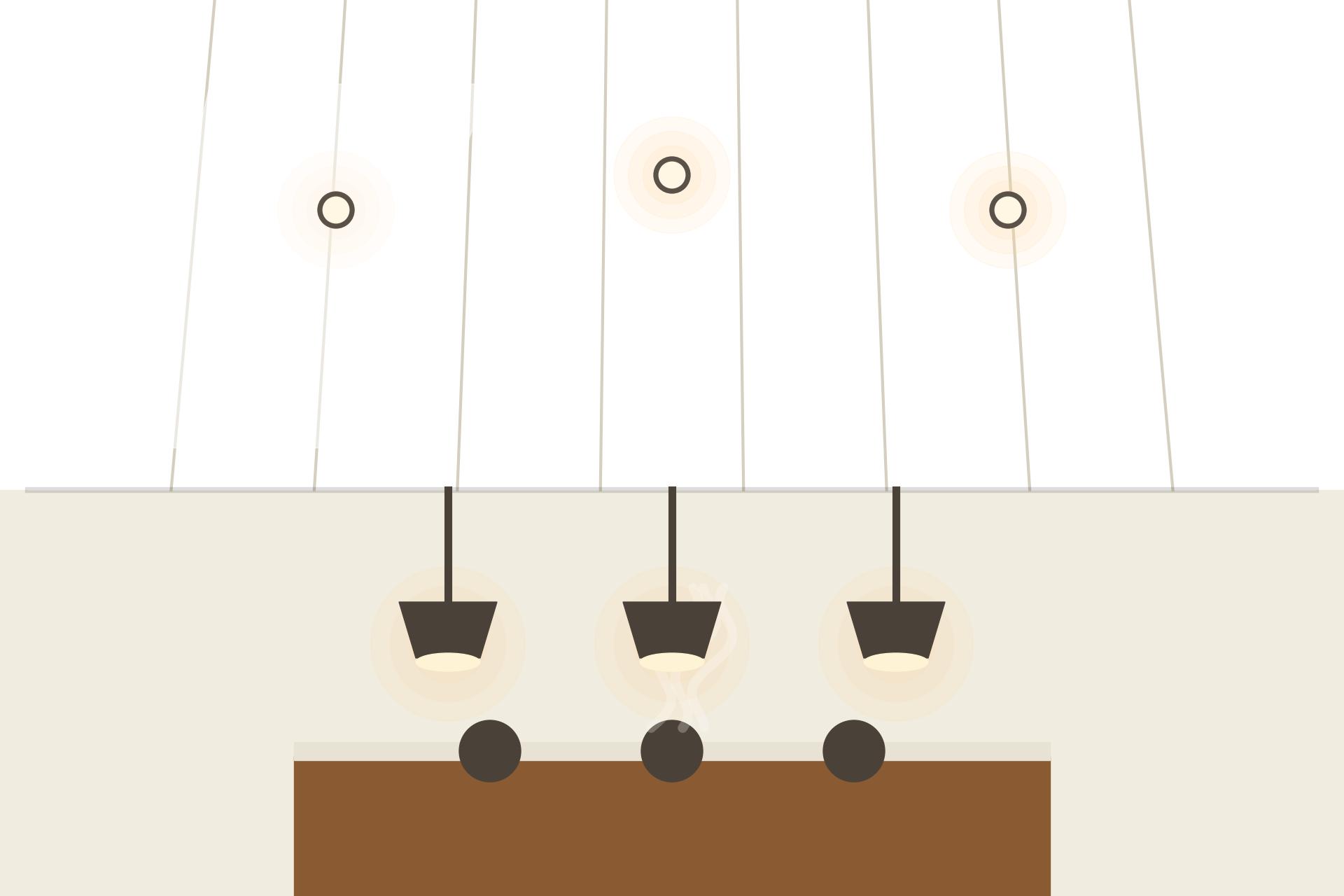
- Kitchens: glossy PVC wipes clean of the grease film Indian cooking leaves — no paint to yellow and flake. Keep panels away from intense heat above the cooktop; prolonged heat can dull the surface over time.
- Utility areas, passages, rental flats: anywhere the brief is “clean, cheap, low-maintenance” rather than “impressive.”
Skip PVC here
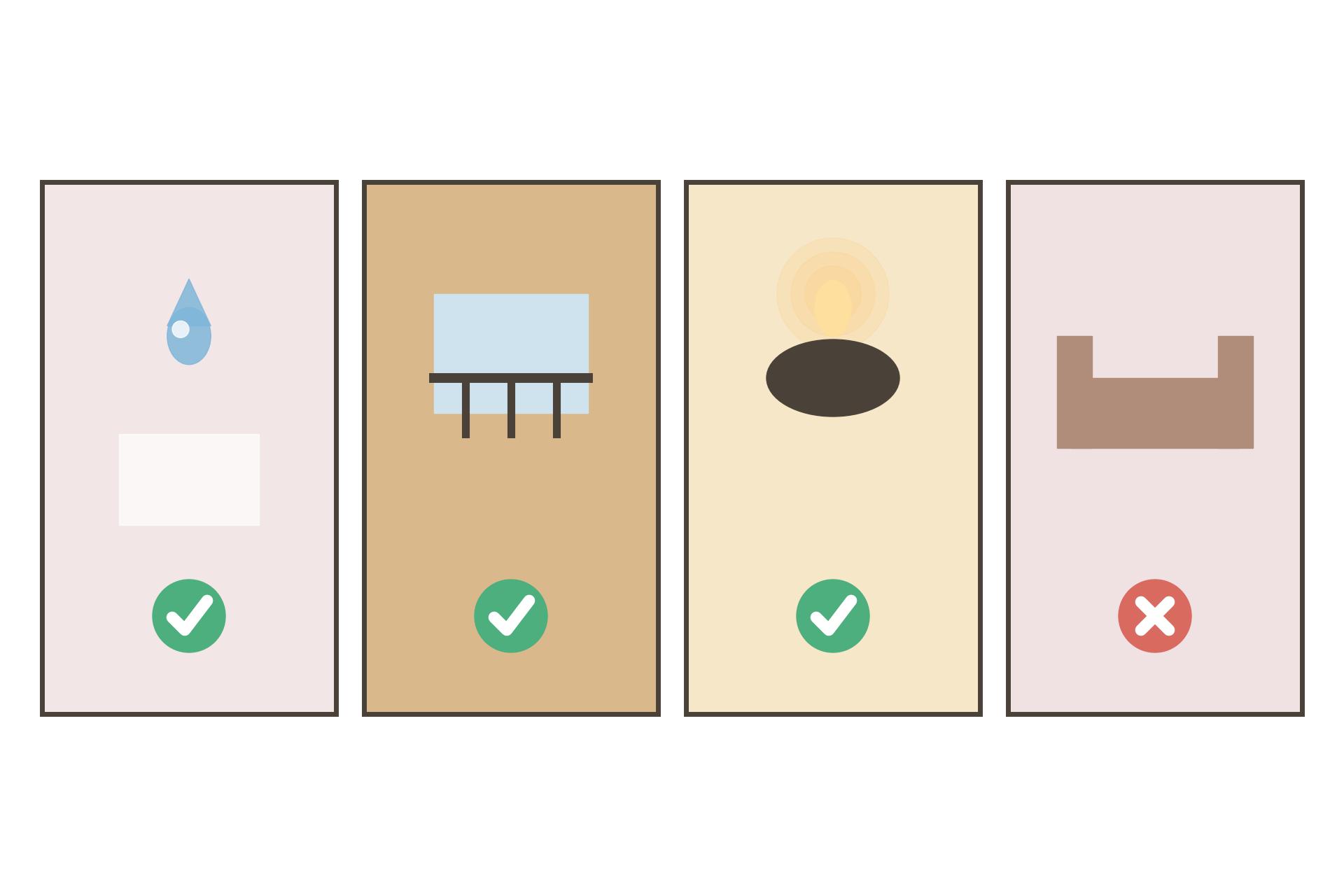
- Formal living rooms: guests look up and judge here. Gypsum’s seamless finish or POP’s moulded detail earns the room; PVC’s joints and flatter finish read as budget — a false economy where the home’s impression is made.
- Fire-safety-critical spots: open kitchen flames, pooja-room diyas, anywhere fire behaviour matters — PVC is fire-retardant only “to a degree, not completely fireproof” (Magicbricks hall FAQ, retrieved September 2026). Gypsum or metal is the safer call; a qualified professional should decide.
- Ornate detail: cornices, medallions, curves, and coffers are POP’s territory. Flat PVC panels can’t be moulded into ornament.
What a PVC false ceiling costs
The most-cited Indian figure is from NoBroker Interiors’ 2026 guide, “PVC False Ceiling Cost per sq ft in India: Latest Prices 2026” (retrieved September 2026):
- PVC panels: ₹80–150 per sq ft — the range covers plain vs printed/wood-finish panels and standard residential grades.
- A 140–200 sq ft living-room-sized area: roughly ₹18,200–45,000 total, material + installation.
Read those numbers with their scope attached: 2026 guide, material + install, standard residential work. Fixtures, electrical work, and outdoor-exposure framing upgrades are quoted separately, and bathroom/balcony areas are far smaller than a living room — get a site-specific quote rather than scaling the living-room total. What moves your number within the band: panel grade and finish (plain cheapest; wood-finish and printed cost more), panel width, frame material, ceiling height and access, and how many lights need cutting.
Installation: why it’s the fastest ceiling
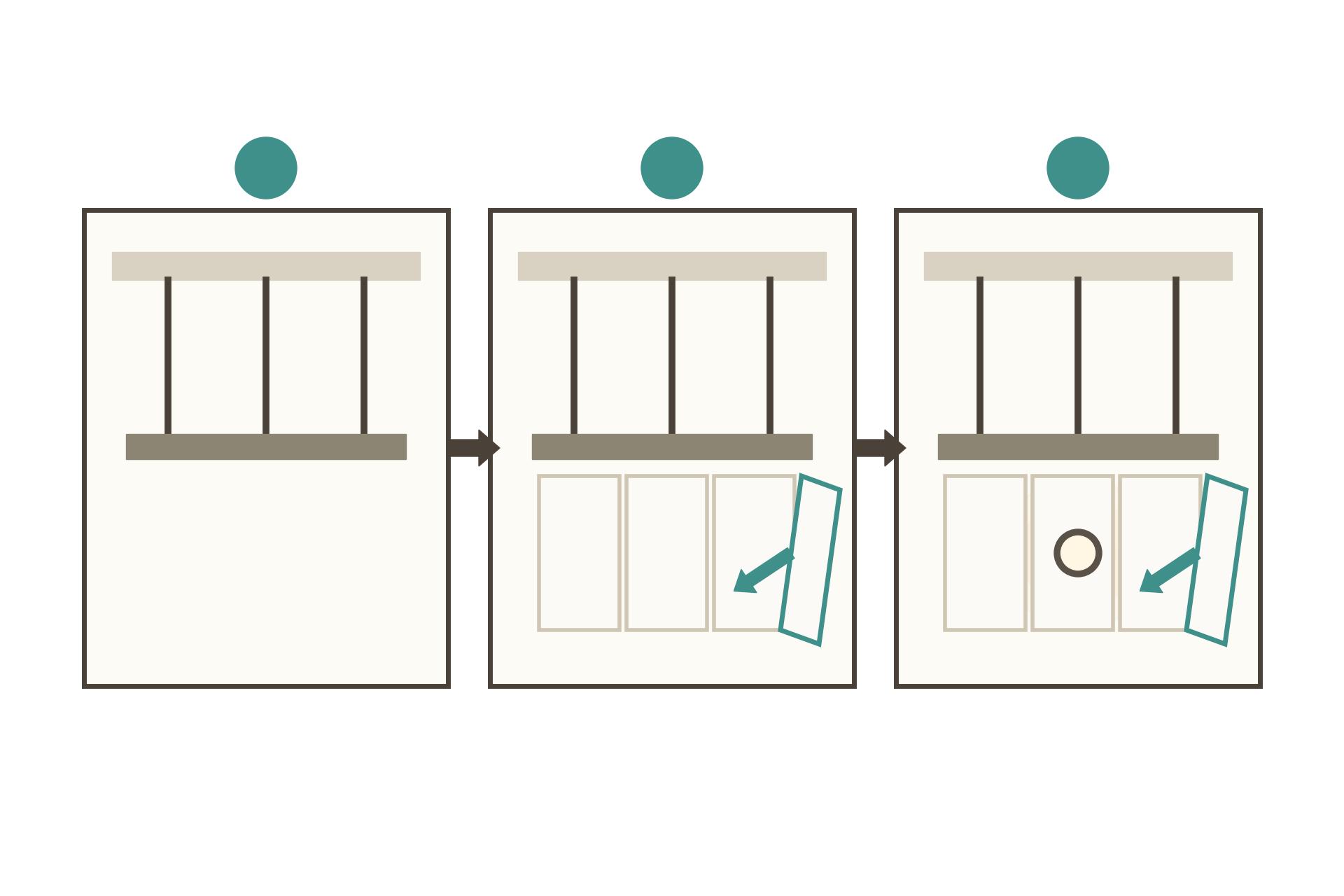
PVC installation skips the two slowest ceiling stages — plastering/putty and painting — because panels arrive finished. Frame fixed to the slab, panels clicked in row by row, trims and lights fitted: a single room is typically done in a day or two, with no curing time and no paint smell.
Three things to get right anyway:
- The frame matters more than the panels. PVC is light, but in damp or semi-open areas the frame and fasteners should suit the exposure — ask your installer what they’re using, especially for balconies.
- Plan lights before panels go up. Mark every light, fan, and access point on the frame layout first; cutting panels around services afterwards is where sloppy work shows.
- Fans and heavy fittings don’t hang from PVC. If a fan or chandelier goes under the ceiling, its fixing must anchor into the slab or a properly designed support — a qualified installer or electrician decides; the PVC panels themselves are never the fixing point.
Maintenance: wipe it and forget it
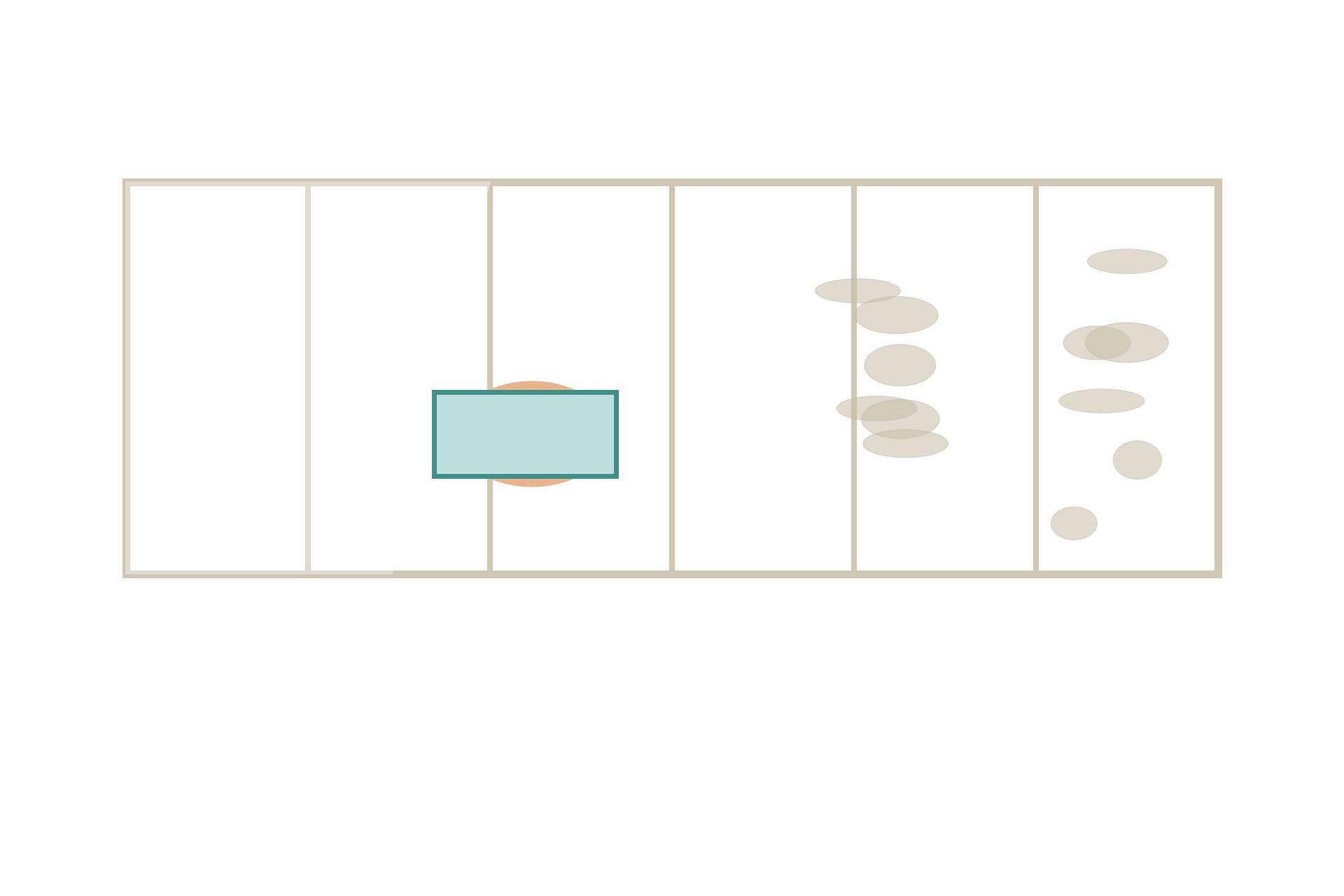
This is PVC’s second superpower after waterproofing. Grease, dust, and bathroom grime come off with a damp cloth and mild detergent — no repainting cycle the way gypsum or POP needs. Two maintenance realities:
- Individual panels can be replaced. A stained, cracked, or badly scratched panel slides out and a spare slides in — no ceiling redo. Keep one or two spares from the original batch, because prints and shades vary between runs.
- Don’t use abrasives. Scouring pads and harsh chemicals dull the factory finish, especially on glossy and printed panels. Soft cloth, mild detergent, done.
PVC panels vs PVC stretch ceilings — not the same product
The name causes confusion, so let’s separate them. PVC panels (this guide) are rigid interlocking boards — the ₹80–150/sq ft material in the NoBroker 2026 cost bands. PVC stretch ceilings are a thin flexible membrane heat-stretched across a perimeter track — a different product, installer skill, and price; trade listings for stretch membranes are product prices, not installed-panel rates. If a dealer quotes “PVC ceiling,” ask which one — panels or stretch — before comparing quotes.
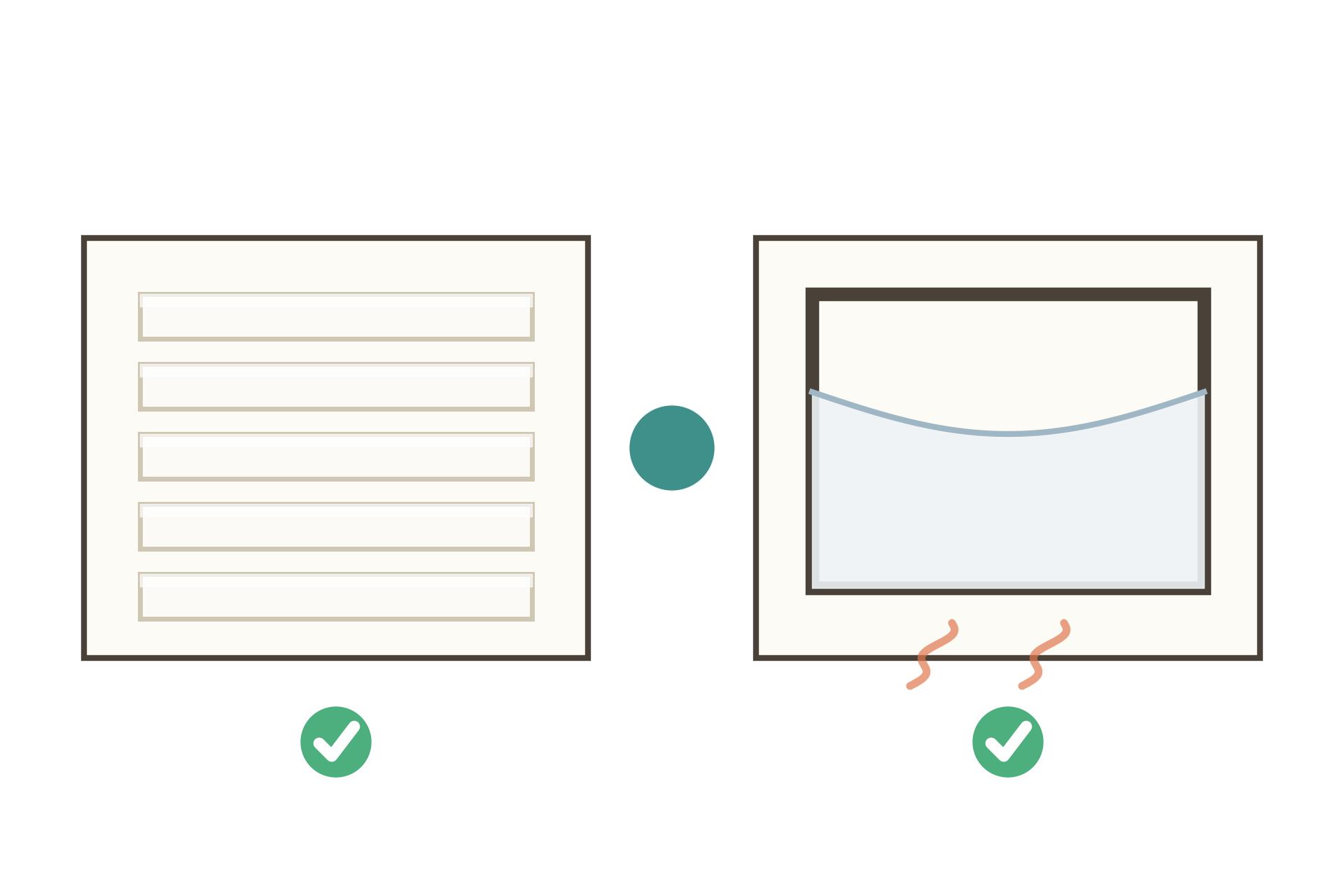
The fire and heat reality
Two related but different things:
- Fire: PVC is fire-retardant “to a degree, not completely fireproof” (Magicbricks hall FAQ, retrieved September 2026). It won’t ignite as easily as wood, but it is not fire-safe the way gypsum board or metal is. Near open flames, pooja-room diyas, or anywhere fire behaviour decides the material, choose gypsum or metal — and let a qualified professional make the call.
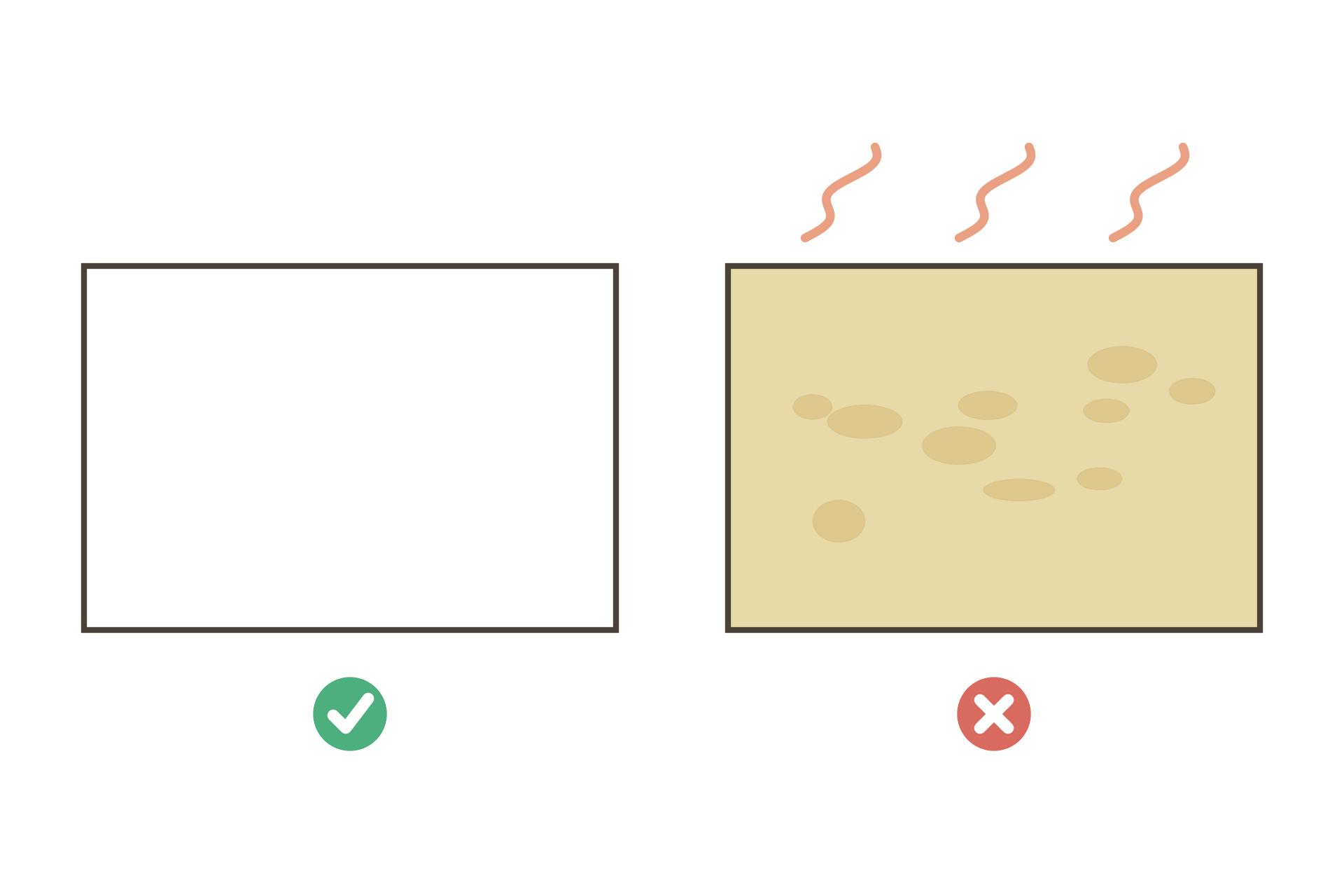
- Heat: prolonged heat — above a cooking zone, under a very hot roof, near high-wattage halogens — can yellow or dull PVC over the years. Cosmetic ageing, not a safety event, but permanent: a yellowed panel can’t be repainted like gypsum. Ventilation and distance from intense heat slow it down.
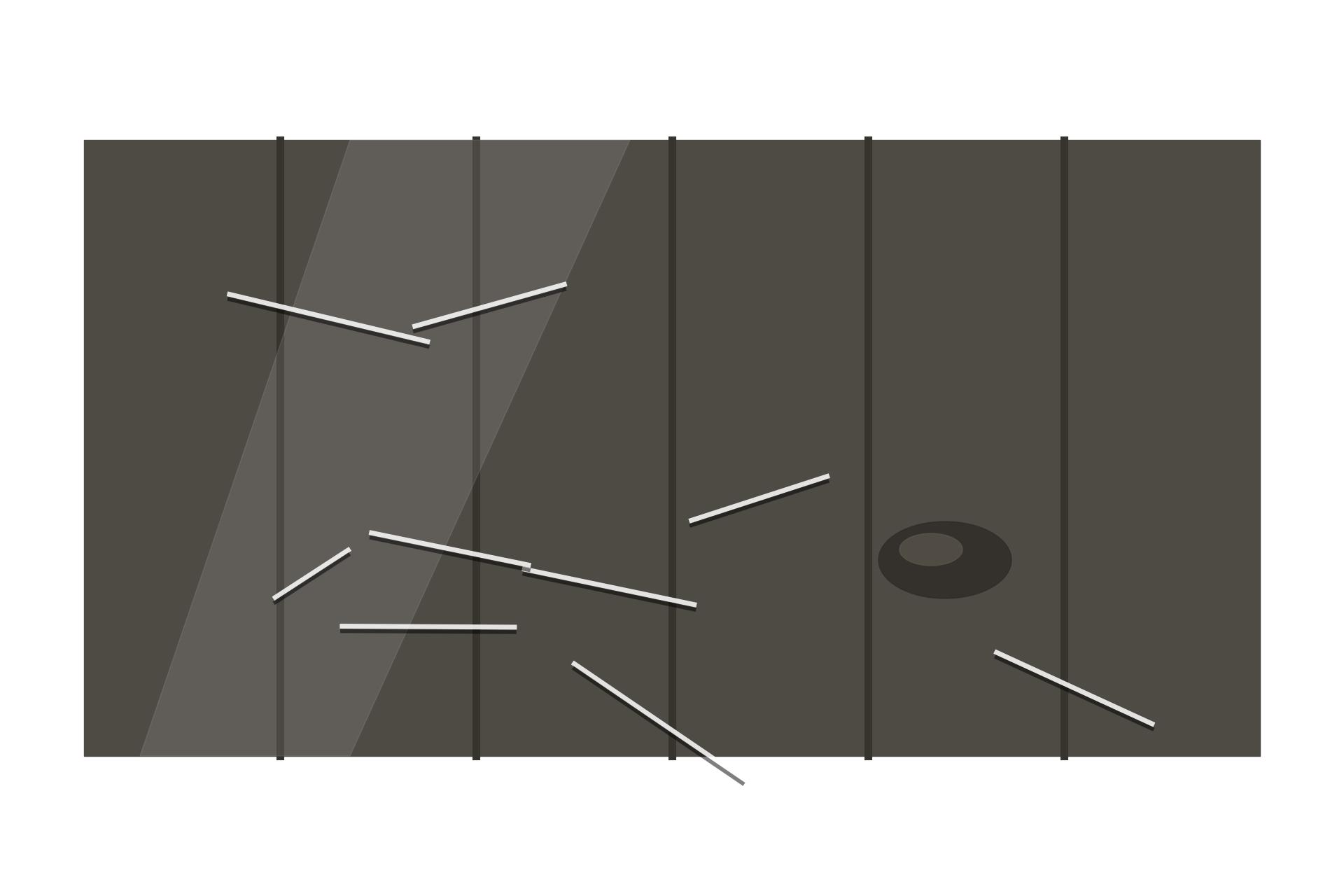
- Scratches and dents: PVC is softer than plaster. Keys, ladders, and careless handling during other repairs leave marks, and glossy or dark panels show them most. The fix is the panel-swap above — another reason to keep spares.
Decision summary: should you choose PVC?
Choose PVC when the room’s main enemy is moisture and the budget matters: bathrooms, balconies, kitchens, utility areas, rental flats. Choose gypsum when the room needs to look premium and stay seamless — formal living rooms, bedrooms, dining spaces. Choose POP when you want ornate moulded detail. If you skipped the room guides, start with the complete false ceiling design guide and match the material to the room, not the other way round.

FAQs
Is a PVC false ceiling fully waterproof?
The panels are — water and steam don’t damage plastic. But “waterproof panels” isn’t “waterproof ceiling”: fix leaks from above first (a ceiling over a damp slab creates trouble later, per Magicbricks’ balcony checklist, August 2026), and the frame and fasteners should suit the exposure.
Is PVC fireproof?
No. PVC is fire-retardant “to a degree, not completely fireproof” (Magicbricks hall FAQ, retrieved September 2026). It won’t ignite as easily as wood, but gypsum board or metal is the safer choice wherever fire safety decides the material.
Can I use a PVC ceiling in my living room?
You can, but it’s rarely the best choice. The living room is the home’s showpiece, and PVC’s visible joints and flatter finish read as budget next to gypsum’s seamless surface. Save PVC for the wet rooms; spend the living-room budget on gypsum or POP.
Does a PVC ceiling need painting?
Never. Panels arrive factory-finished, and installation has no putty or paint stage. That’s also why you can’t repaint your way out of a colour you tire of — or refresh a yellowed panel. Choose the finish carefully.
Can one damaged PVC panel be replaced without redoing the ceiling?
Yes — a genuine advantage of the tongue-and-groove system. A stained or cracked panel slides out and a spare slides in. Keep one or two spares from the original batch, since prints and shades vary between production runs.
All images in this article are original concept renders created for this guide — illustrations of ideas, not photographs of completed projects.


Pingback: Thermocol False Ceiling: Designs, Cost, Pros & Cons