
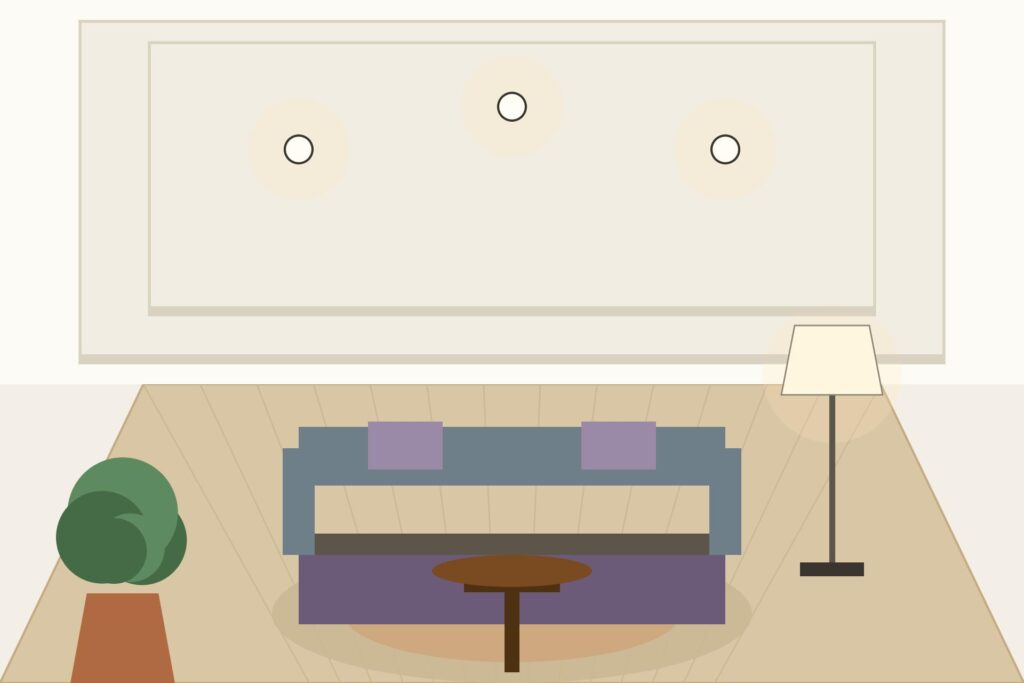

Gypsum is the most popular false ceiling material in Indian homes, and for good reason: it gives a smooth, paintable finish, takes any design from flat to multi-layered, and costs less than most alternatives. But “gypsum false ceiling” covers a lot of ground — different board types, design styles that need different ceiling heights, and real differences from POP and PVC. This guide covers gypsum across rooms: what the board actually is, the four board types, design styles with their ceiling-height requirements, dated India cost bands, honest pros and cons, and how it is installed and maintained.
For planning ceilings across every room together, see our complete false ceiling design guide. For the bedroom-specific deep dive, our guide on gypsum false ceiling design for bedrooms covers layouts, cove-over-bed ideas and fan-safe details in depth.
What gypsum board actually is
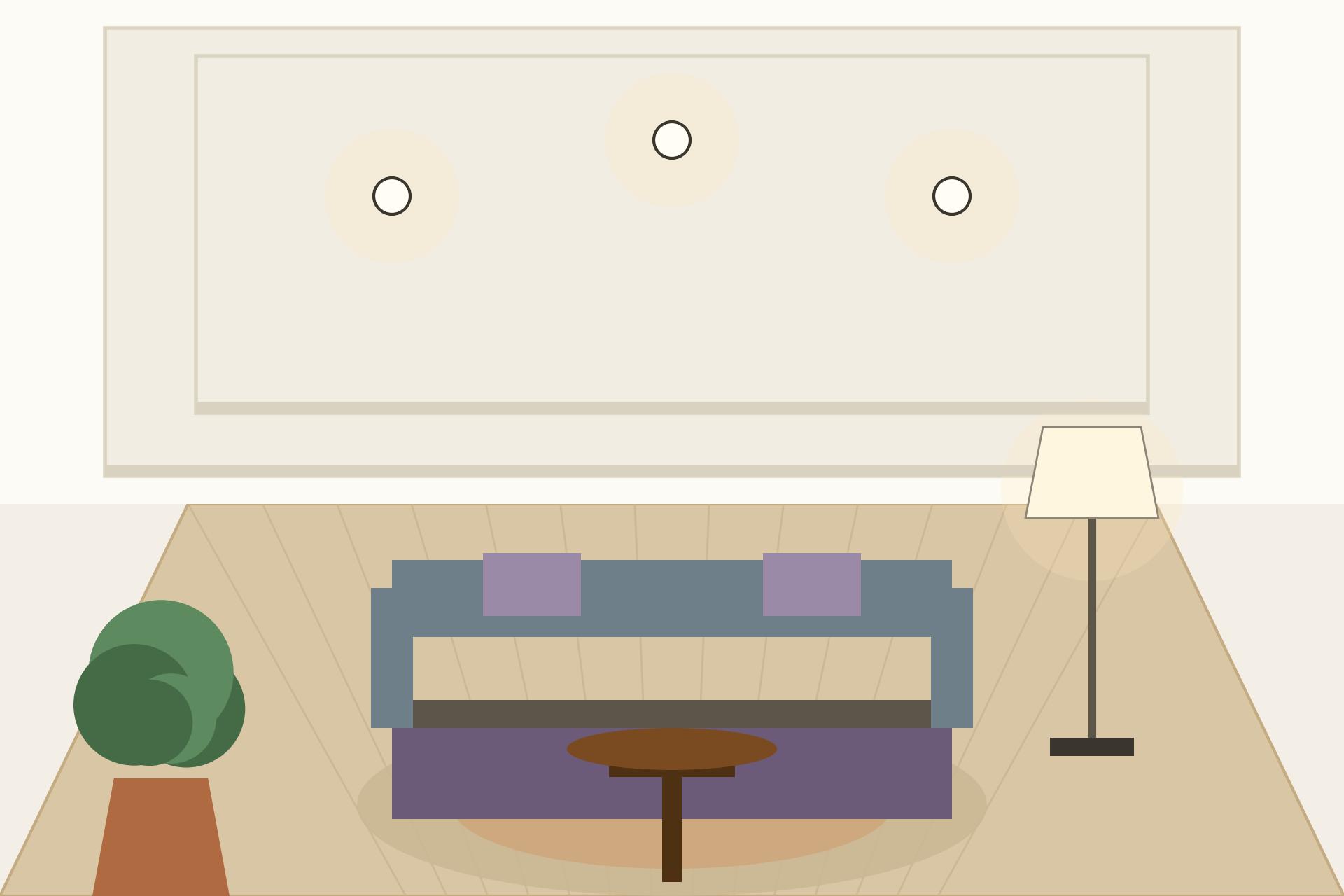
A gypsum false ceiling is not a slab of plaster. It is made from factory-made plasterboards: a core of gypsum plaster pressed between two paper liners, screwed onto a galvanized iron (GI) metal frame that hangs from the concrete slab. That one fact explains most of gypsum’s behaviour:
- Flat, factory-made panels — so the finish is even and straight-edged, unlike POP which is shaped by hand on site.
- Lightweight — easy to handle, and a full GI frame + board system adds little load to the slab.
- Paintable — the paper face takes paint directly, and you can repaint in any colour later.
- Cuttable — curved, stepped and geometric designs are cut and framed on site.
Types of gypsum boards
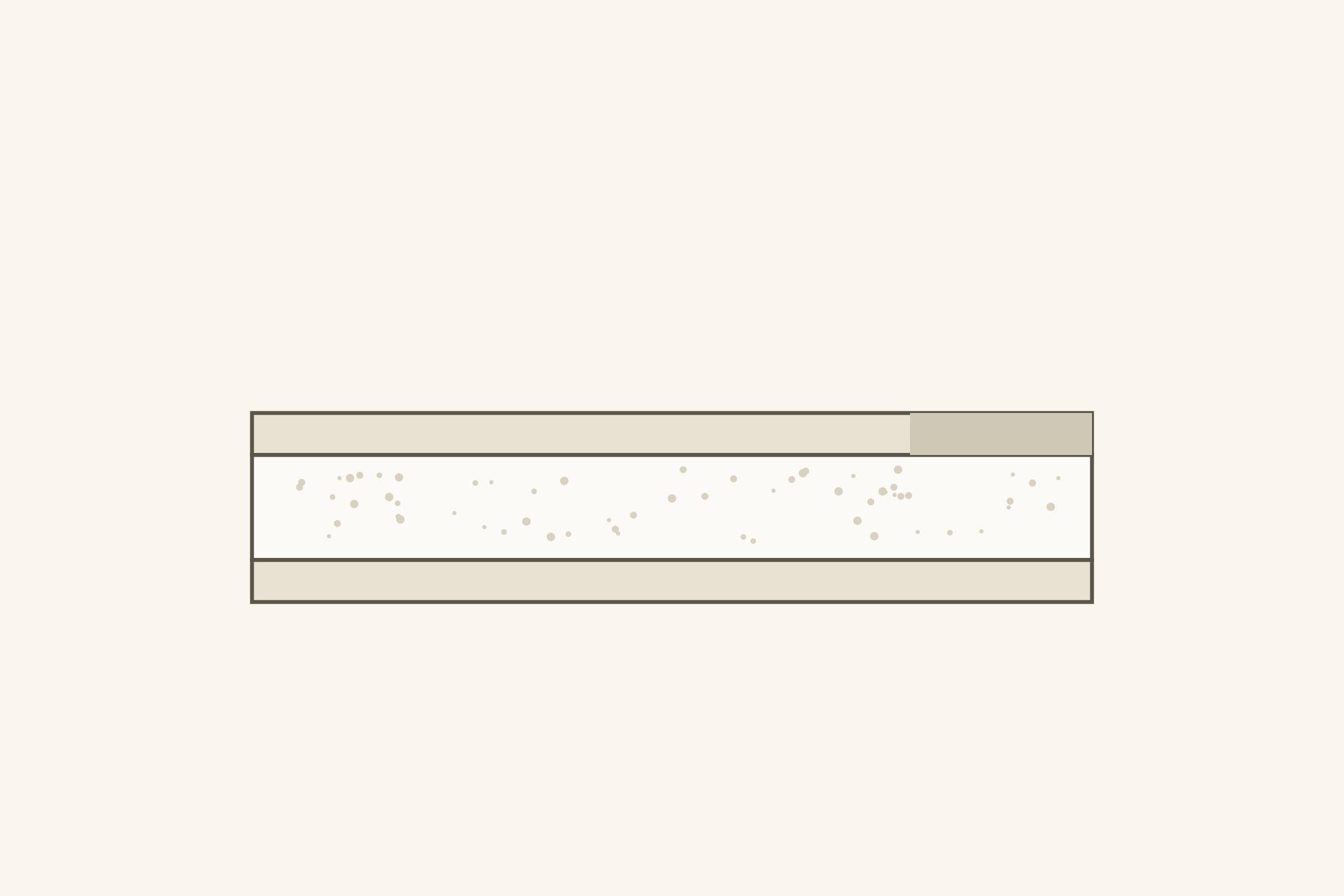
Not all boards are the same. Indian brands sell the same four families of boards, and choosing the right one is the most practical decision in a gypsum ceiling:
| Board type | What it is | Best for | Cost premium (NoBroker 2026 guide) |
|---|---|---|---|
| Regular board | Standard plasterboard for dry interiors | Living rooms, bedrooms, dining areas | Base price |
| Moisture-resistant board | Core treated to resist humidity (often green-faced) | Kitchens, bathrooms, humid coastal homes | +10–15% over regular |
| Fire-resistant (Type X) | Thicker core with fire-performance additives | Homes wanting higher fire safety | +15–20% over regular |
| Acoustic board | Perforated face that absorbs sound | Home theatres, noisy road-facing rooms | +20–30% over regular |
Cost premiums and design cost bands are from the NoBroker Interiors gypsum guide (2026), retrieved September 2026 — material + basic labour; lighting fixtures, electrical work and painting quoted separately. One brand note: Gyproc is Saint-Gobain’s gypsum board brand — a leading option in India, not the only one. Compare regular, MR, Type X and acoustic boards across brands on specs and price, not on name alone.

How a gypsum false ceiling is installed
A typical residential installation runs in this order, and knowing it helps you supervise the work:
- Marking and leveling: the finished ceiling level is marked on the walls with a laser or water level.
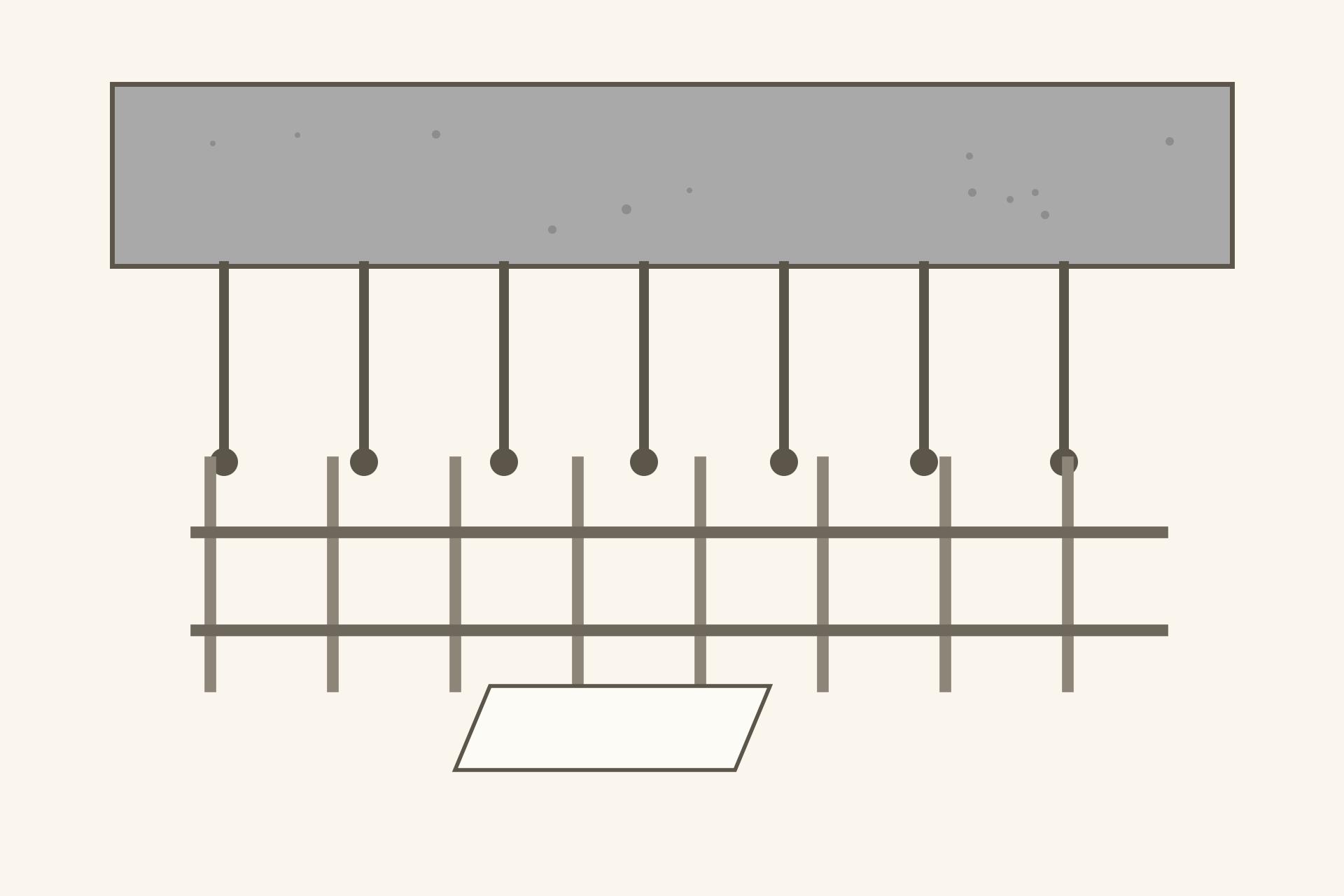
- GI frame: galvanized iron channels and perimeter angles are fixed to the slab with anchors and suspension rods. This frame carries the ceiling — the boards are only the skin.
- Board fixing: plasterboards are screwed to the frame, staggered so joints don’t line up.
- Jointing: joints are taped and filled with joint compound, screw heads are spotted over. This is the step that decides whether your ceiling looks seamless or shows lines.
- Putty and sanding: a thin putty coat and sanding give the smooth, paint-ready surface.
- Paint: primer plus two coats of paint or distemper, in your chosen colour and finish.
Light points, cove strips, AC vents and inspection traps are planned at the framing stage — cutting them in afterwards is messy and often shows. Ask your contractor where the traps (removable access panels) are, especially above kitchens and bathrooms where plumbing and exhaust runs pass.
Gypsum false ceiling designs that work in Indian homes
Design choice and ceiling height travel together: deeper designs need taller slabs. These are the styles that dominate Indian homes, ordered from simplest to most elaborate:
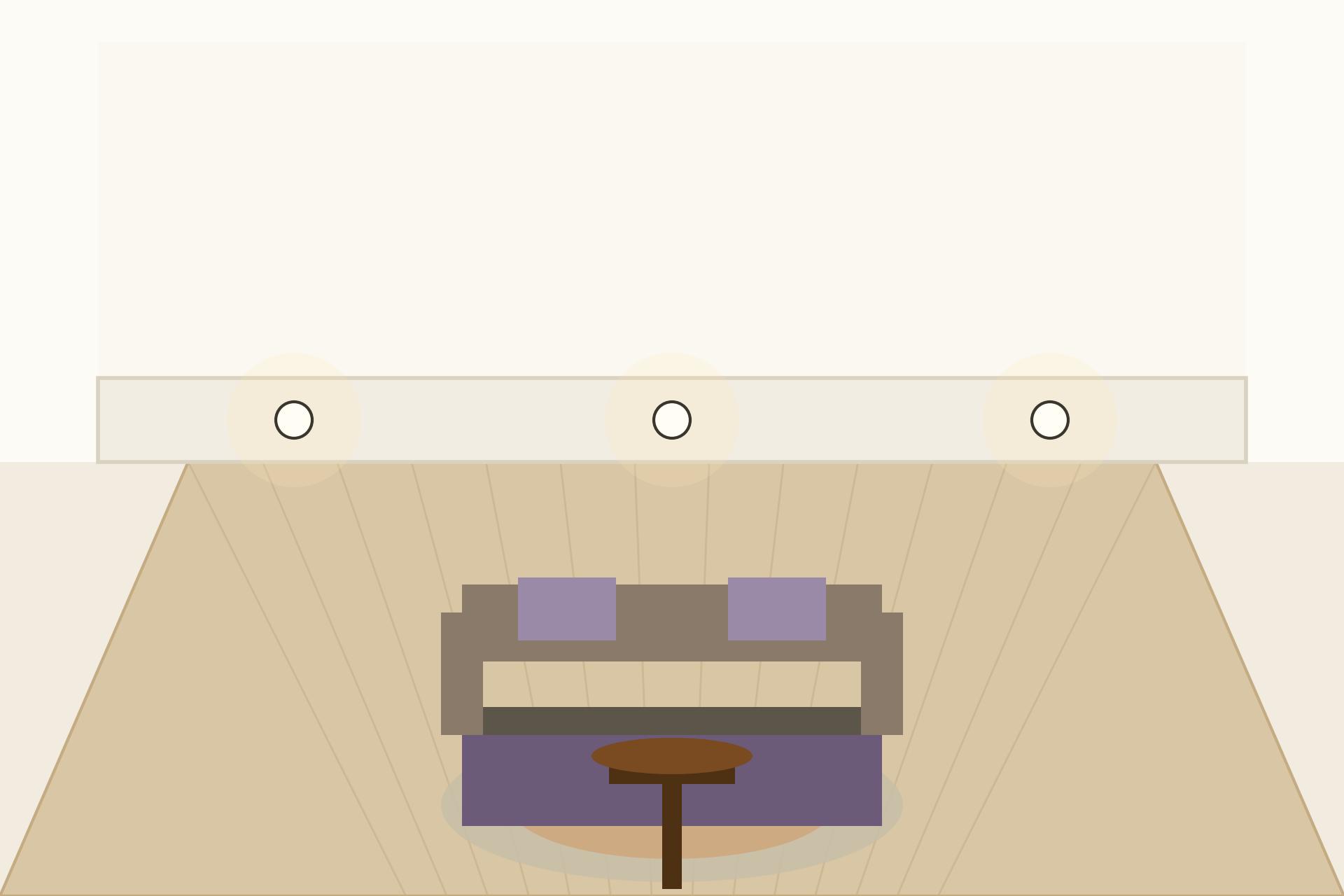
1. Flat single-level — the clean base
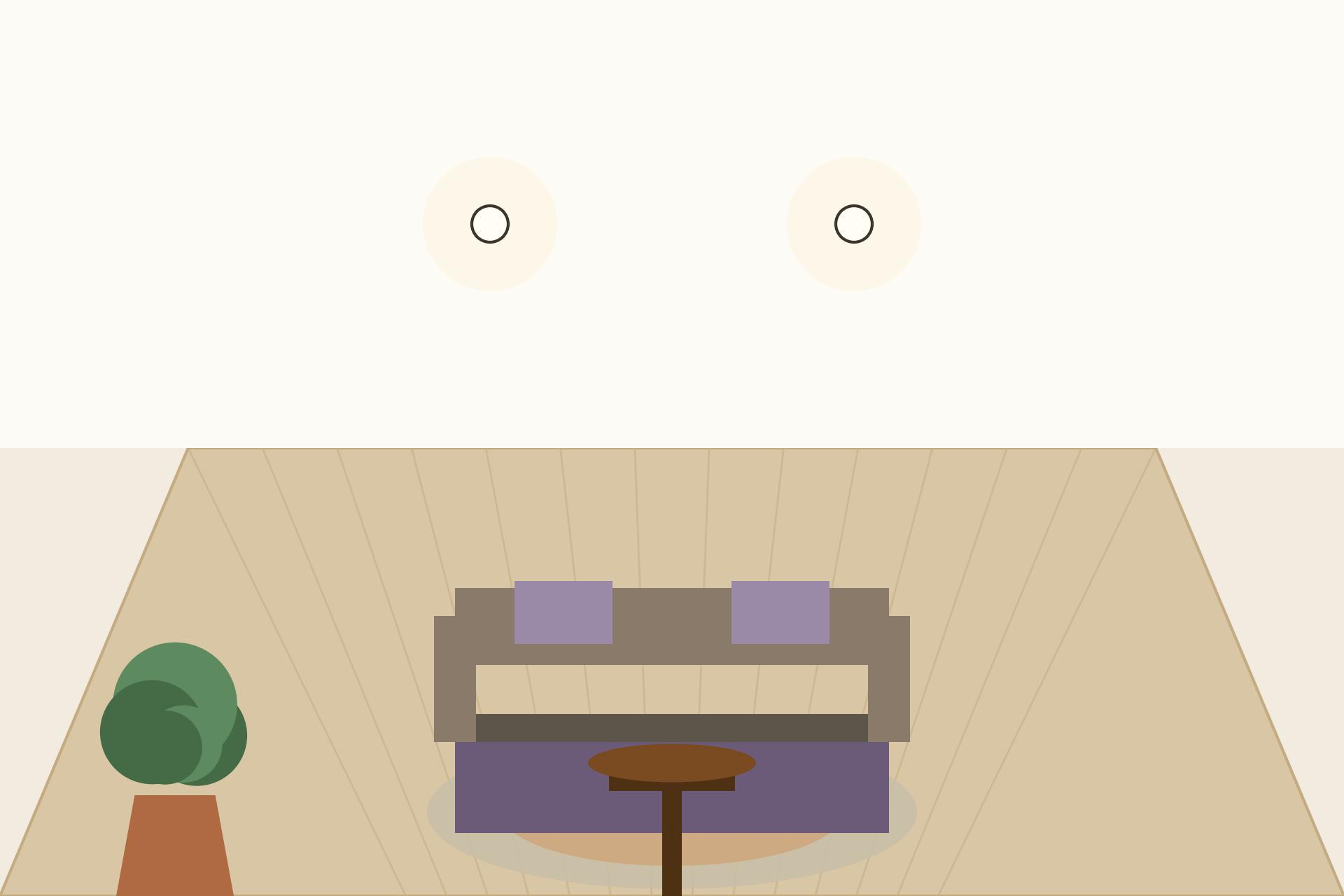
One clean plane with recessed downlights. The cheapest gypsum option, ideal for slabs around 8.5 ft and above, and the right call for compact rooms where any layering would feel heavy. Flat doesn’t mean plain — good paint, warm lighting temperature and neat recessed spots make it look finished.
2. Single cove + hidden LED — the crowd favourite
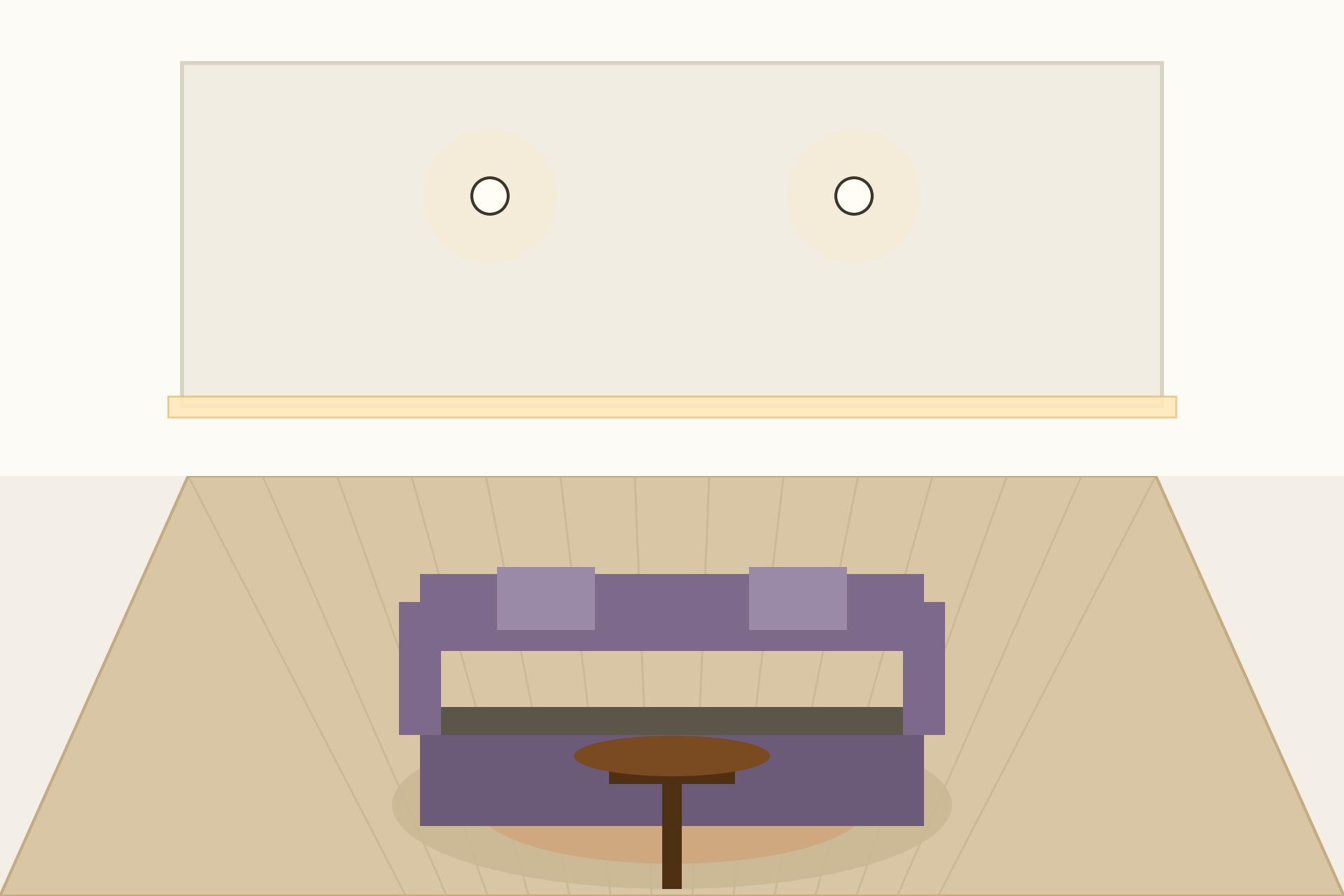
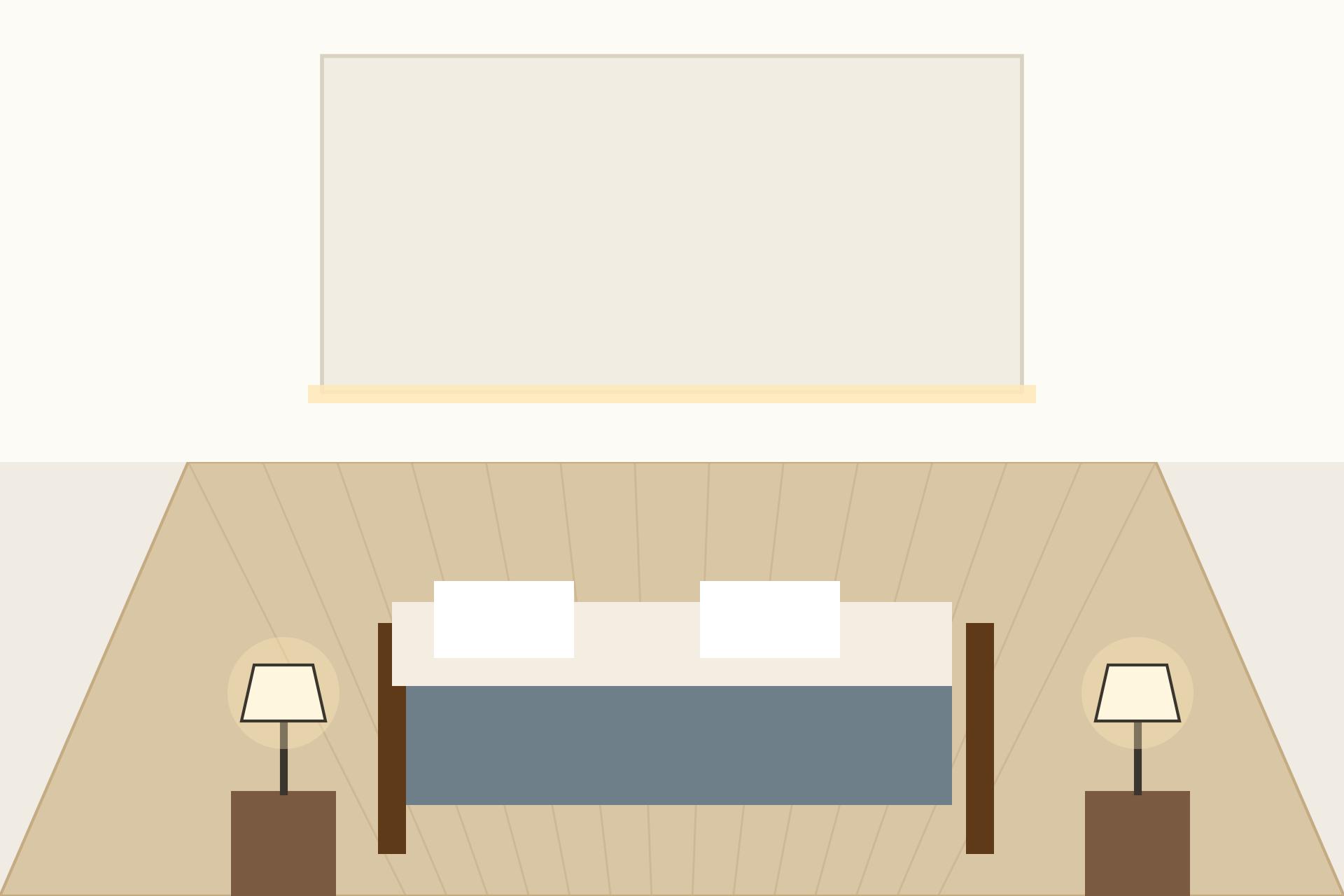
A recessed groove along the ceiling’s edge hides an LED strip, washing the walls or the ceiling edge in soft light. Warm white (3000K) for bedrooms and living rooms; this is the single most popular gypsum look in Indian homes because it adds perceived depth without dropping the ceiling much.
3. Tray ceiling — framed and layered
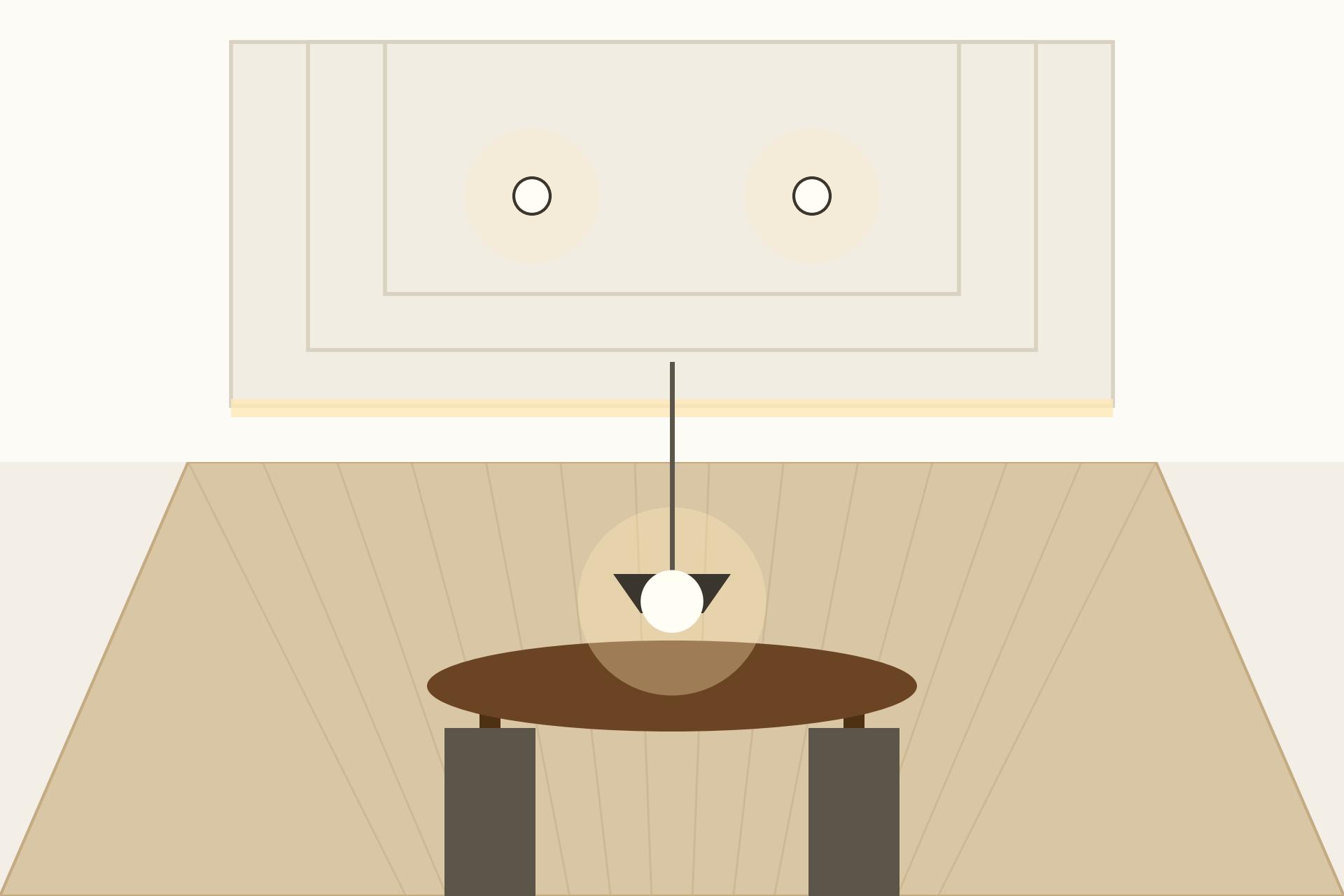
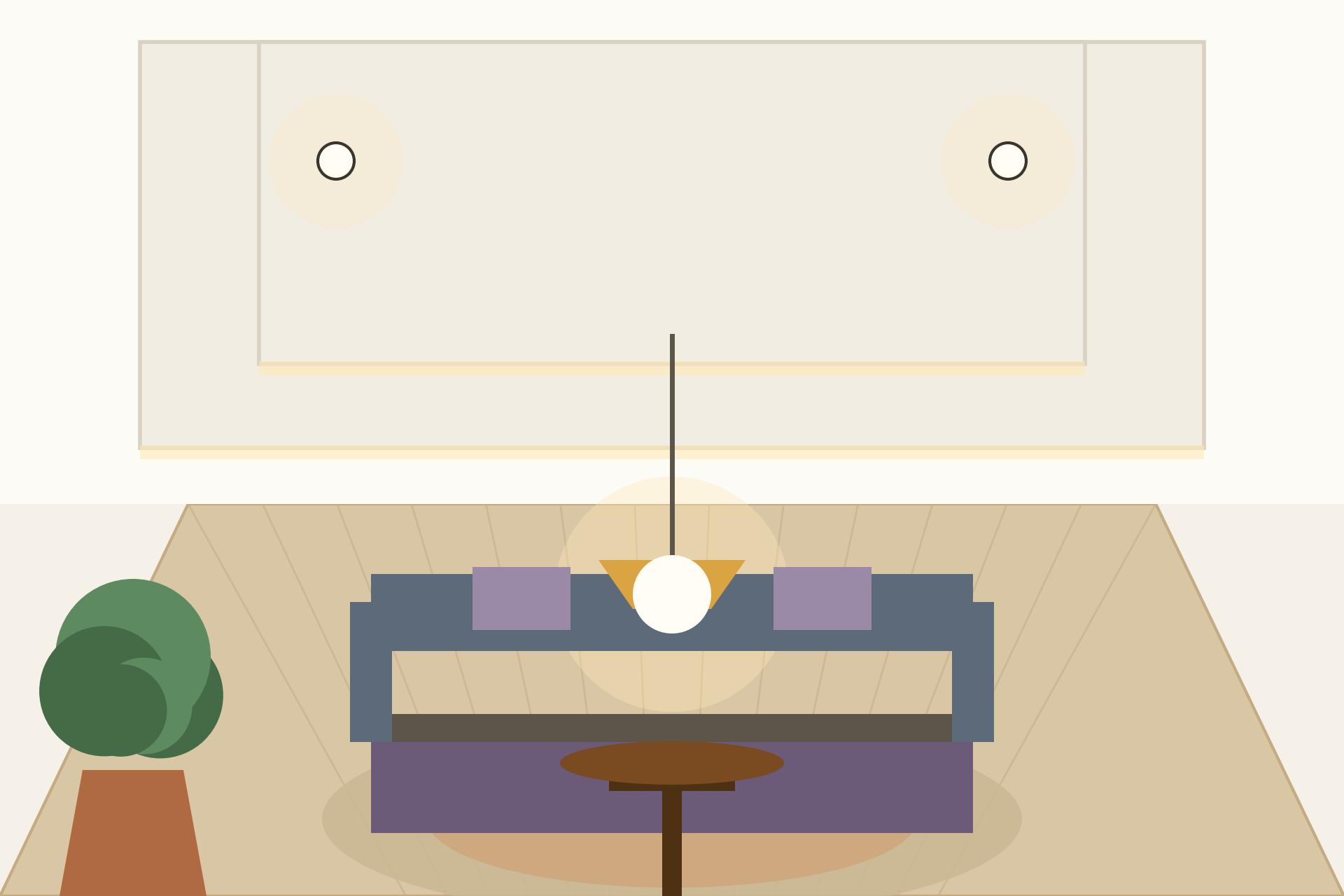
A raised central panel with a stepped border, often with cove light in the step. Tray ceilings suit slabs around 10 ft and frame the room’s centre beautifully — over a dining table, a living-room seating area or a bed. The recessed centre can also hold a statement light.
4. Floating island — the modern statement
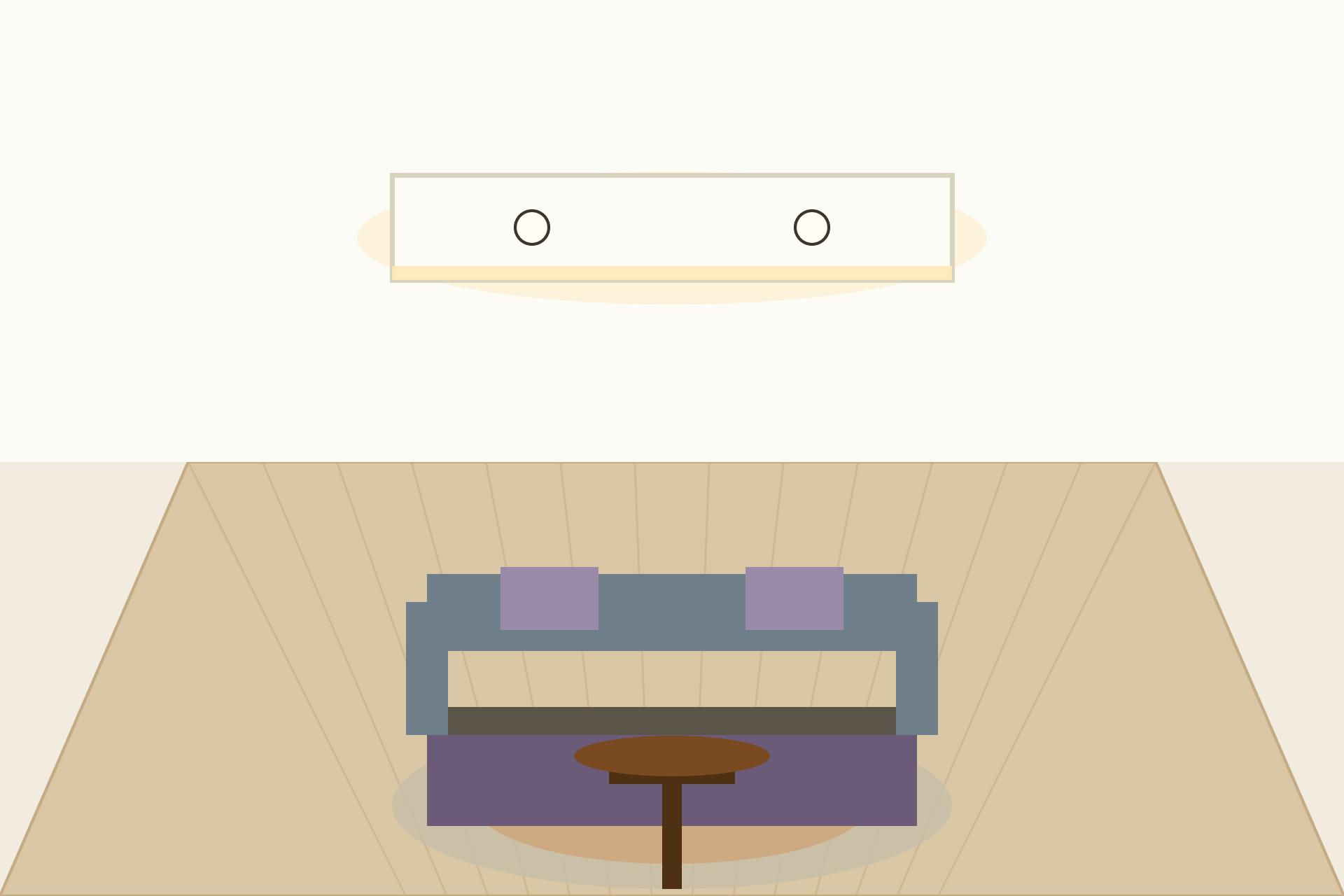
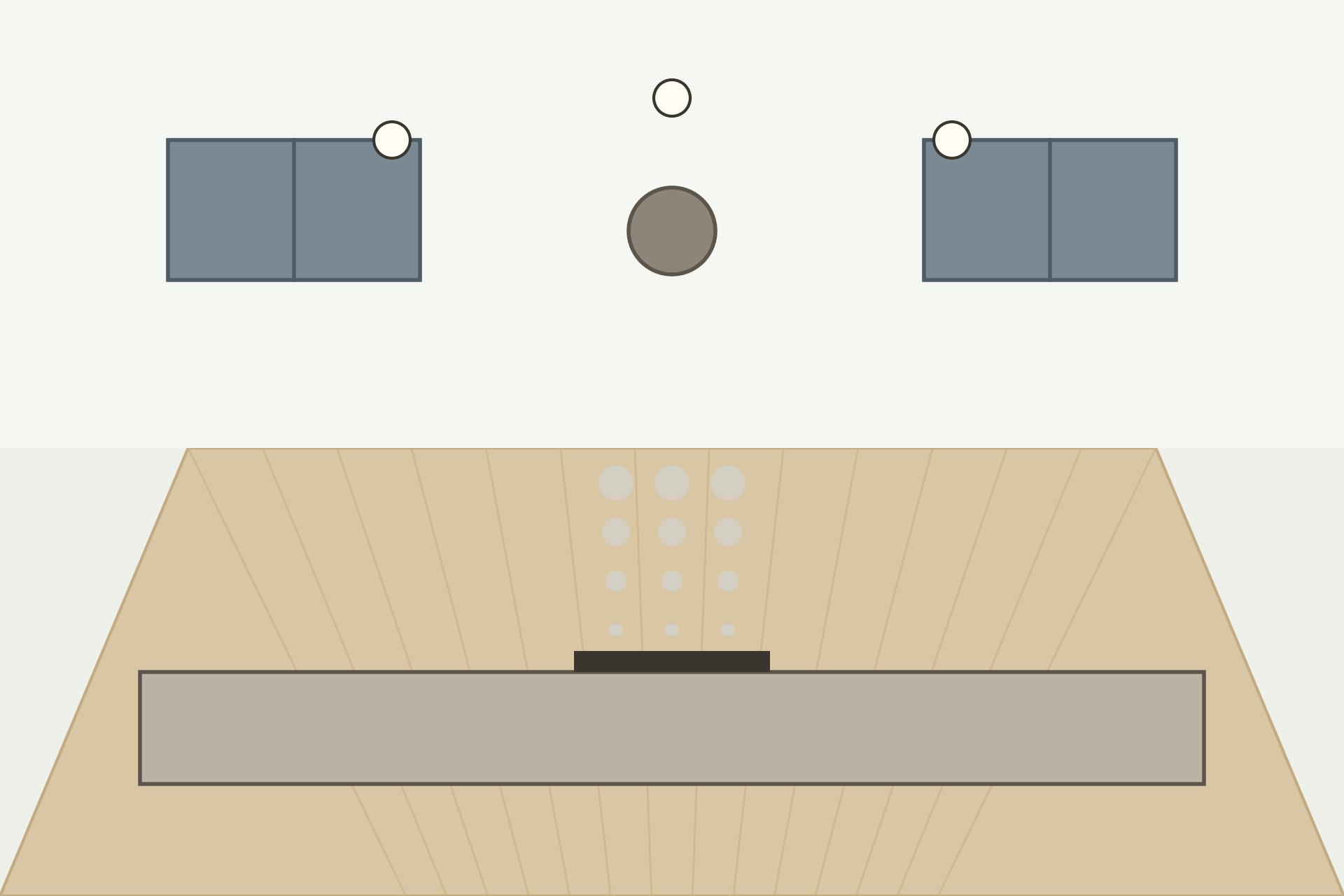
A separate gypsum panel that “floats” below the main ceiling with a shadow gap and halo LED around it. Works best over dining tables and living-room seating in tall rooms; needs careful framing so the island is perfectly level and the gap even.
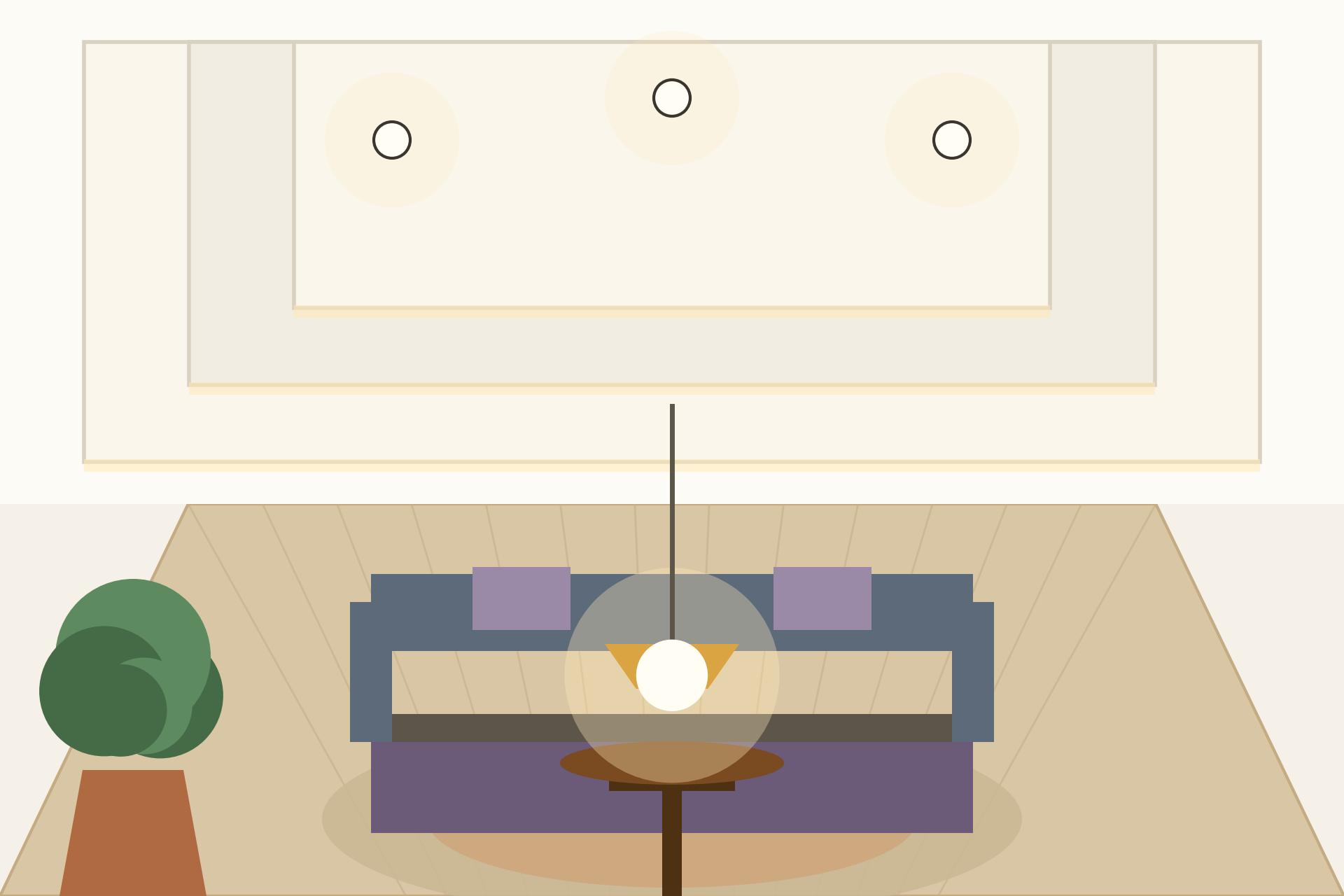
5. Multi-layered stepped — the grand look
Two or three stepped levels with cove lighting at each step. The most dramatic gypsum style — and the one that needs the most height, around 11 ft of slab (NoBroker 2026 guide). Below that, it compresses the room and looks heavy.
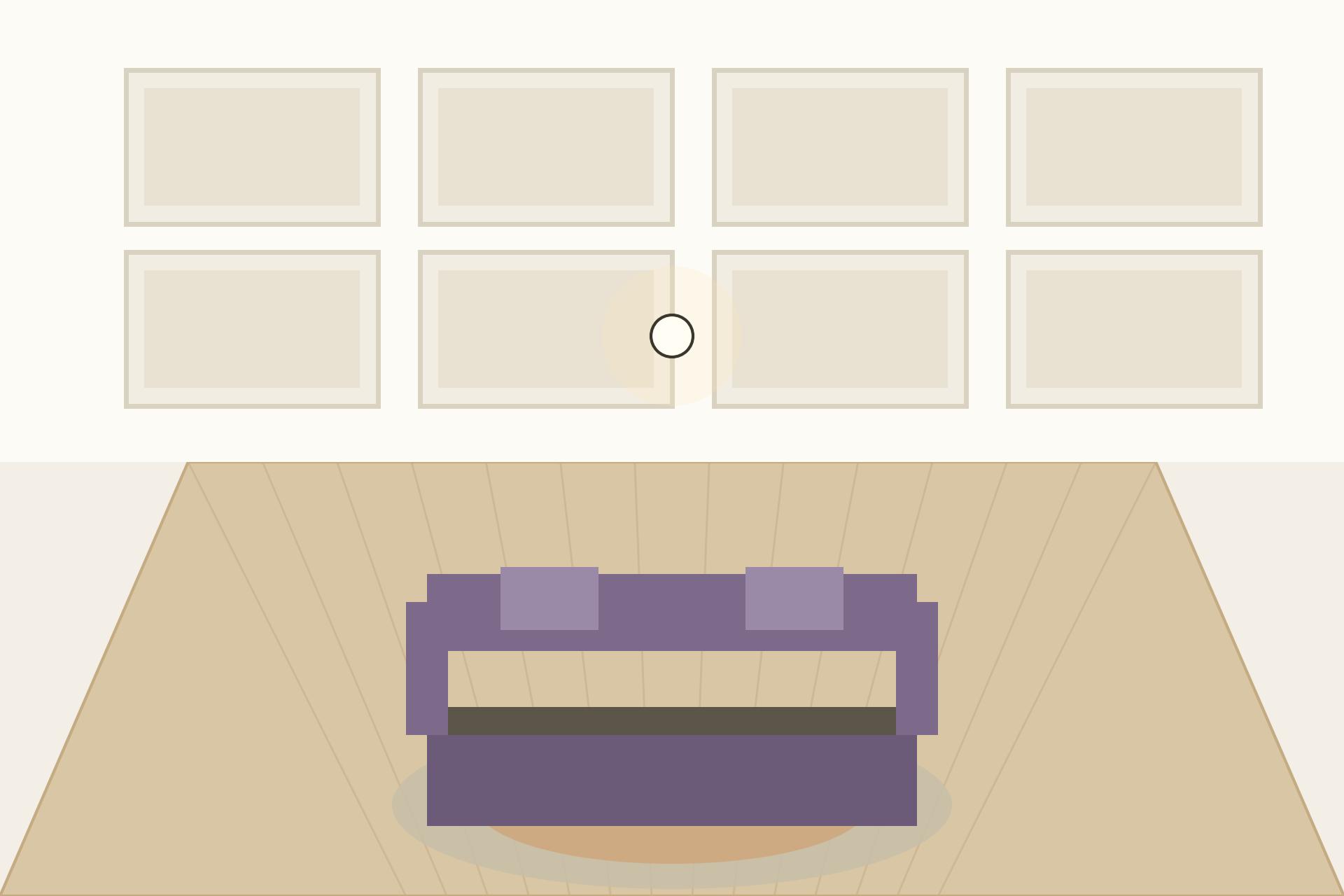
6. Coffered — the geometric classic
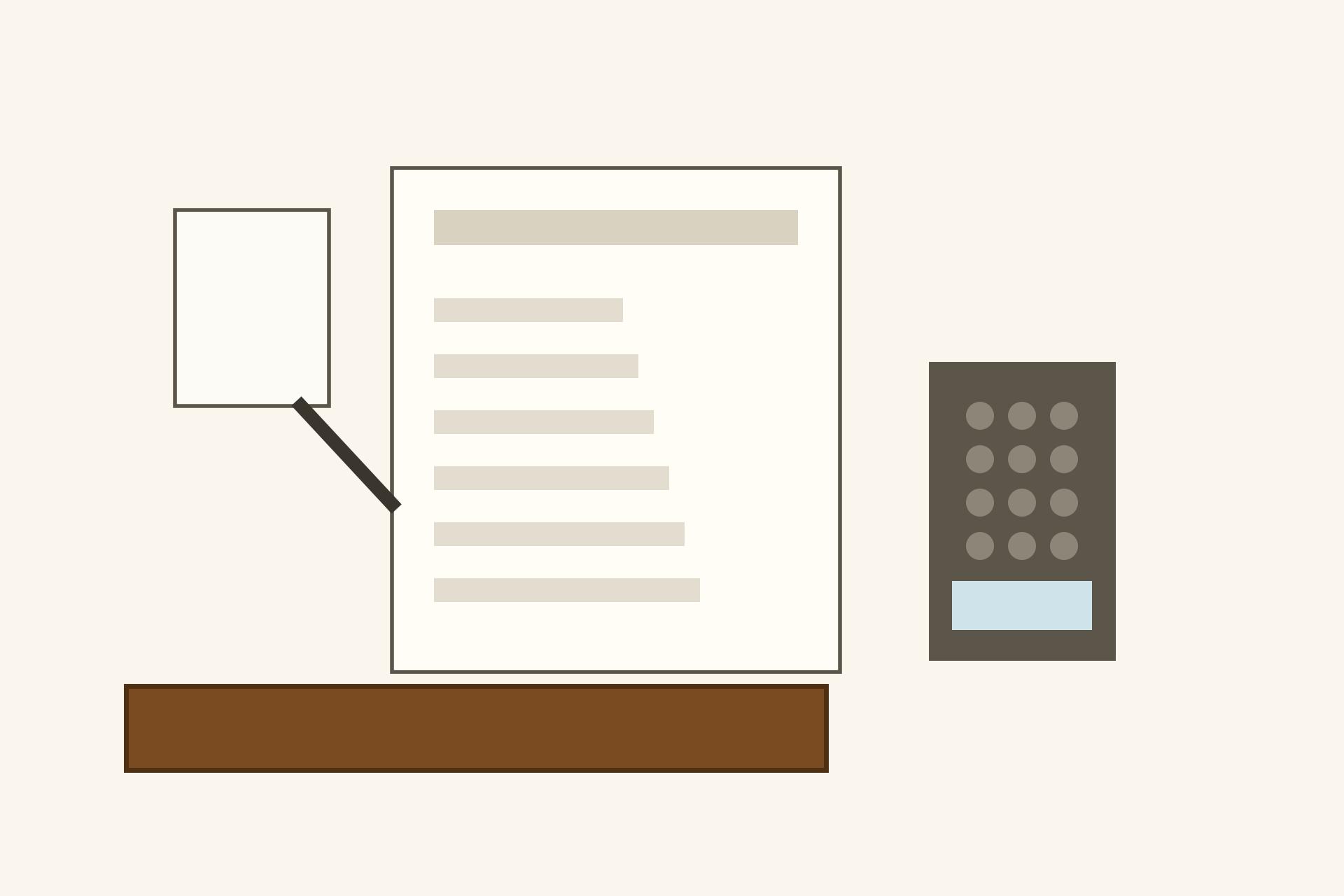
A grid of recessed square or rectangular panels. Coffered ceilings add architectural rhythm and suit studies, home offices and formal living rooms. Keep the grid shallow in standard-height rooms — deep coffers need height.
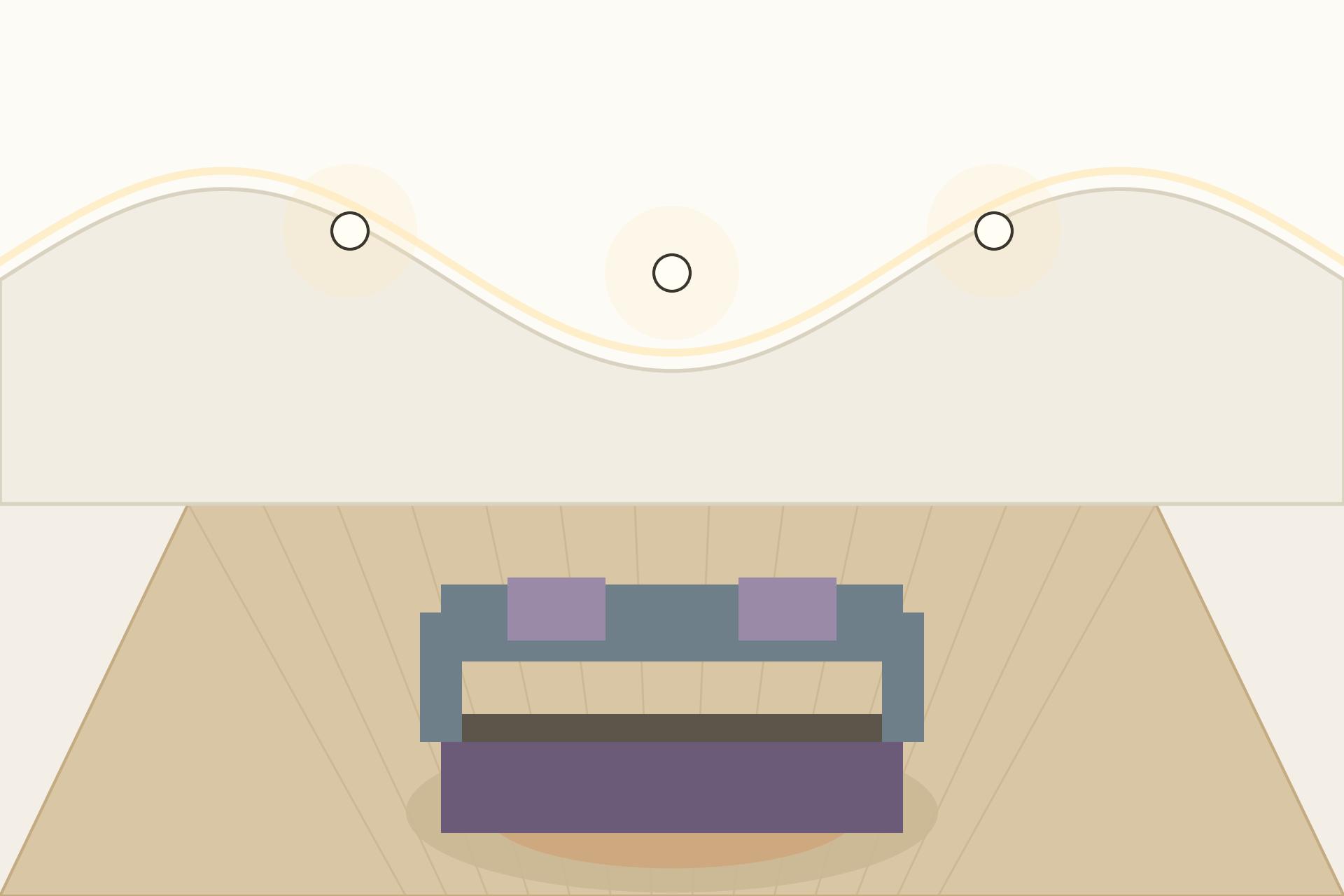
7. Curved and wave — the flowing look
Gypsum boards bend (within limits) and the GI frame can be curved, so flowing wave and curved designs are possible. They are labour-intensive — the framing and jointing take real skill — so get quotes from contractors who can show you finished curved work, not promises.
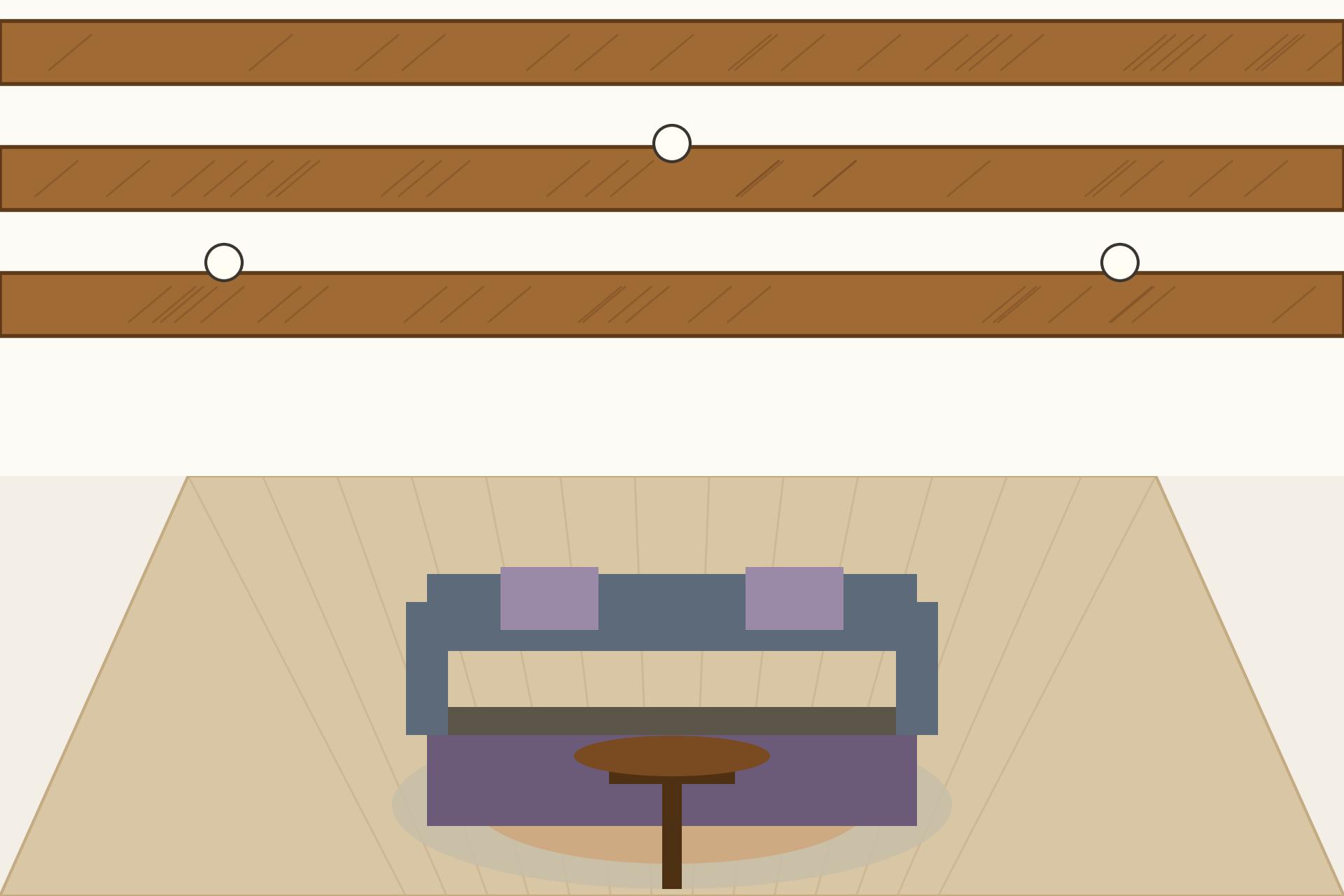
8. Gypsum + wood accent — warmth and contrast
Wood or wood-finish panels, battens or beams set into a gypsum ceiling. The contrast of warm wood against smooth white gypsum is a current favourite in Indian living rooms. Use real wood or quality laminates — cheap finishes spoil the effect up close.
9. Perimeter border — the small-room fix
A narrow gypsum border running around the room’s edge, often with a cove strip, leaving the centre flat. This is the smart design for compact rooms and tight budgets: it gives you the cove-light effect and a finished edge without dropping the whole ceiling. Quoted per running foot (₹55–95 in the NoBroker 2026 table).
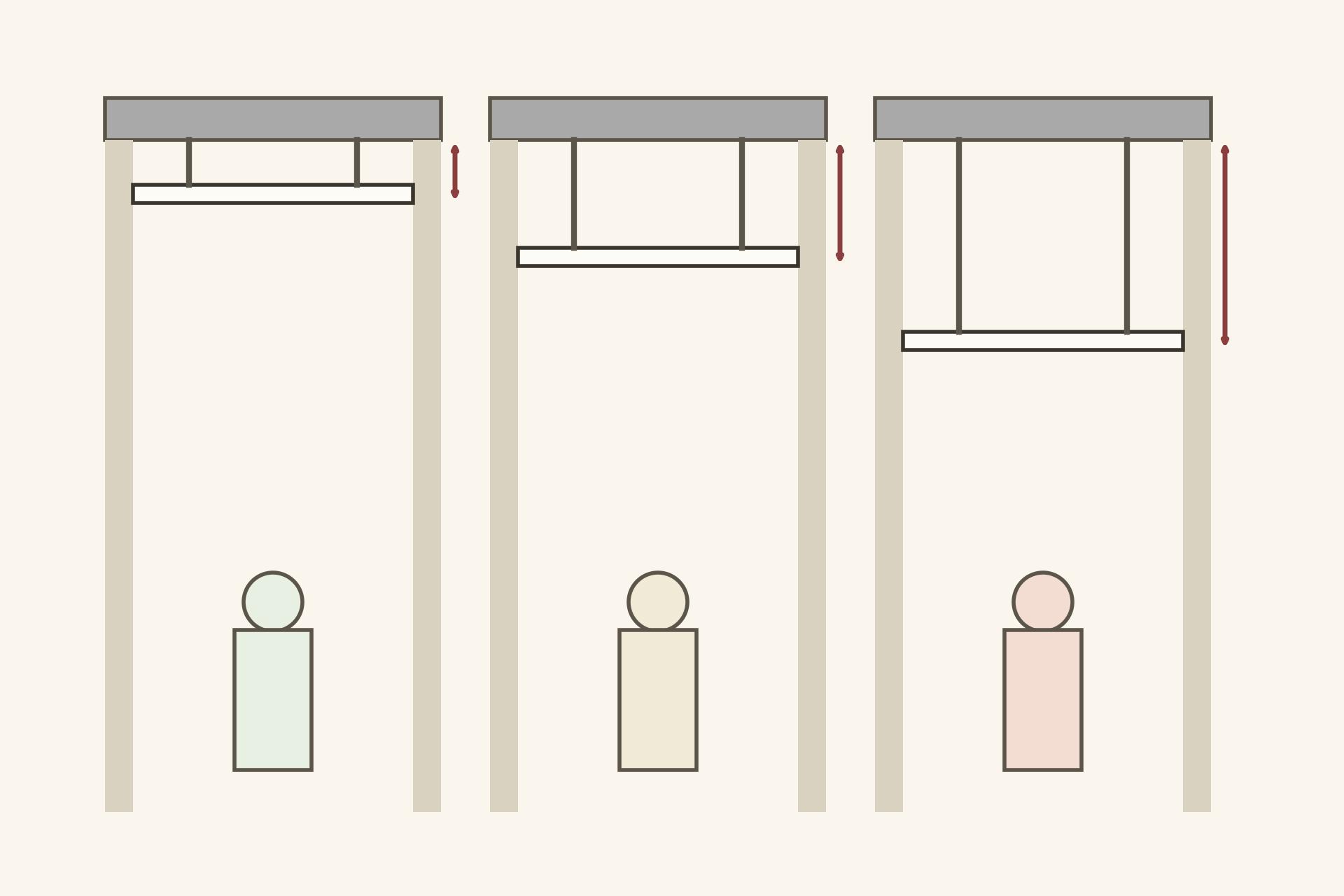
Minimum slab heights, by design style
From the NoBroker Interiors 2026 guide: flat single-level needs about 8.5 ft of slab; single cove designs around 9.5 ft; tray around 10 ft; multi-layered stepped around 11 ft. If your slab is lower than the design needs, step down one style — a cramped grand ceiling looks worse than a clean simple one. Measure your actual slab height (not the builder’s brochure figure) before choosing.
What it costs in India (2026 guide figures)
The table below repeats the NoBroker Interiors 2026 gypsum cost bands (retrieved September 2026). Scope matters: these are material + basic labour per sq ft; lighting fixtures, electrical work and painting are quoted separately. Get your own quotes — use the table to sanity-check them, not to replace them.
| Design style | ₹/sq ft (2026 guide) |
|---|---|
| Flat single-level | ₹85–115 |
| Single cove + LED | ₹110–165 |
| Tray | ₹130–195 |
| Floating island | ₹140–210 |
| Multi-layered stepped | ₹170–270 |
| Geometric coffered | ₹190–290 |
| Curved / wave | ₹160–240 |
| Acoustic | ₹145–220 |
| Gypsum + wood accent | ₹210–360 |
| Perimeter border | ₹55–95 per running ft |
Board upgrades stack on top: moisture-resistant boards add about 10–15% over regular, fire-resistant Type X about 15–20%, acoustic about 20–30% (same guide). For a quick sense of scale: a 140 sq ft room with a single cove + LED design sits roughly in the ₹15,400–23,100 band for material + basic labour, before fixtures, electricals and painting. Your contractor’s quote should itemise these separately so you can compare like with like.
Which rooms suit gypsum — and which need the special boards
- Living rooms and bedrooms: gypsum’s natural home. Smooth finish, any design style, easy repainting. See our hall false ceiling designs for living-room-specific ideas.
- Dining areas: tray and floating-island designs frame the table beautifully.
- Home offices and studies: coffered or flat acoustic boards help with sound and focus.
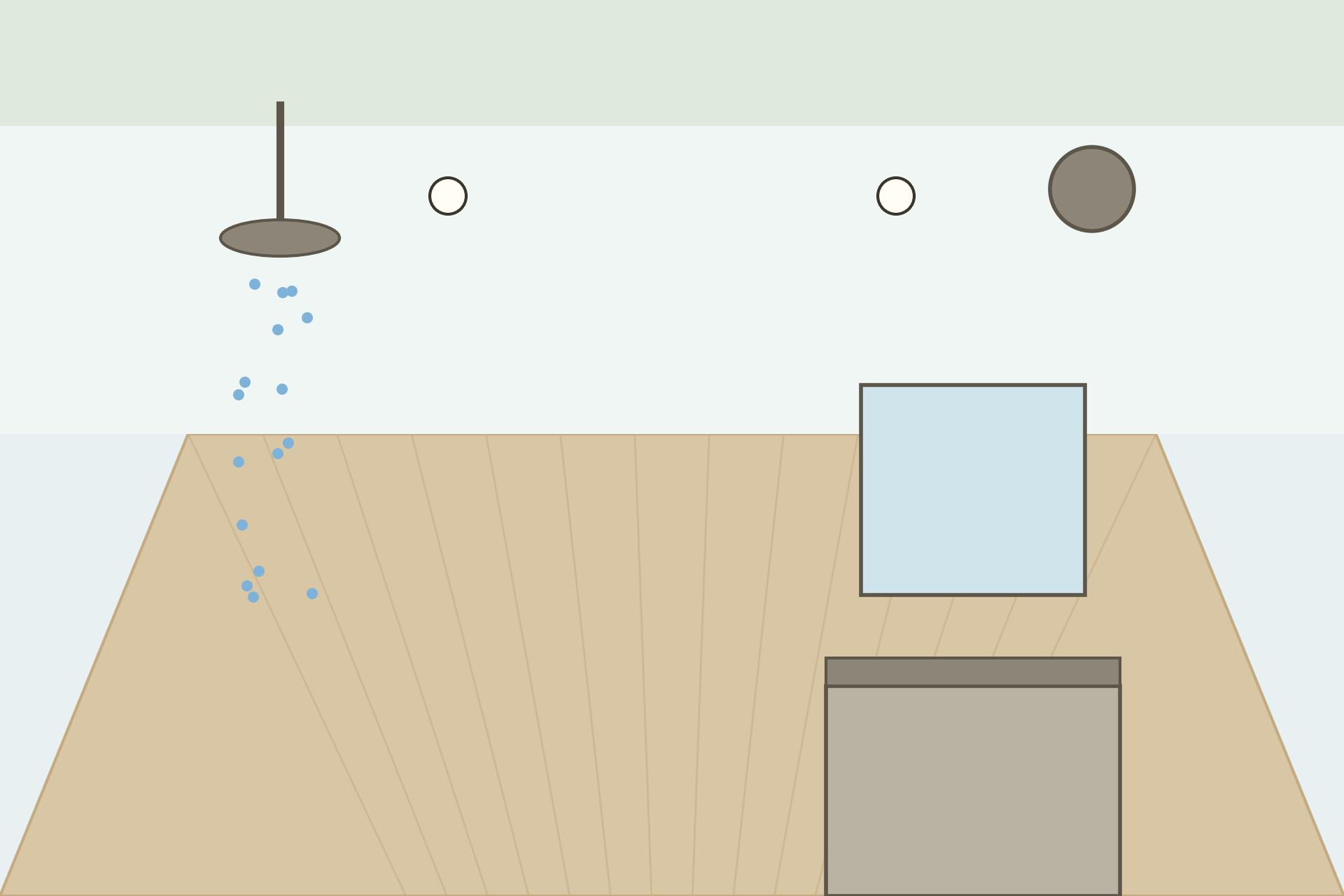
- Kitchens: only with moisture-resistant boards, good ventilation and a chimney/hood that actually vents out. Standard boards near steam and grease will fail.
- Bathrooms: moisture-resistant boards only, plus an exhaust fan and proper waterproofing above. No false ceiling survives a leaking slab — fix leaks first.
- Balconies and exposed outdoor areas: not for gypsum. Rain, direct sun and open humidity destroy it. Use PVC, ACP or other outdoor-rated materials instead.
Gypsum vs POP vs PVC — the honest comparison
| Gypsum | POP | PVC | |
|---|---|---|---|
| Finish | Smooth, straight factory edges | Hand-shaped; can be more ornate | Panel joints visible |
| Moisture | Standard boards fail in damp; MR boards available | Moisture-sensitive, cracks with damp | Waterproof; best for wet areas |
| Fire behaviour | Gypsum is naturally fire-resistant; Type X boards for higher performance | Decent; cracks under heat | Fire-retardant to a degree, not fully fireproof |
| Cost (2026 guides) | ₹85–115+/sq ft material + labour | ₹65–95+/sq ft material + labour | Panels ₹80–150/sq ft material + install |
| Speed | Fast — factory boards | Slower — handcrafted on site | Fastest — click-lock panels |
| Design freedom | Excellent for clean modern shapes | Best for ornate, curved, traditional motifs | |
| Maintenance | Repaint every few years; MR boards in humid rooms | Prone to hairline cracks; repaint | Wipe clean; no paint needed |
Price figures: gypsum and POP bands from the NoBroker Interiors 2026 guides; PVC panel figures from the NoBroker PVC cost guide 2026 (all retrieved September 2026). The pattern: gypsum wins on smooth modern finish and speed; POP wins on ornate traditional designs and slightly lower cost; PVC wins on waterproofing and maintenance. Choose by your room and your priorities, not by which material is “best” in the abstract.
The honest pros and cons
Pros:
- Smooth, even, paintable finish — the cleanest look of the three common materials.
- Fast installation — factory boards go up quicker than hand-shaped POP.
- Lightweight and easy to cut — curves, steps and geometric designs are all practical.
- Naturally fire-resistant core; Type X boards available where higher performance matters.
- Easy to repaint — change colours without touching the structure.
- Cost bands are predictable and widely quoted by contractors.
Cons:
- Standard boards fail in moisture — kitchens, bathrooms and damp homes need MR boards, and even those have limits.
- Not repairable like POP — a damaged board section is cut out and replaced, not patched invisibly.
- Joint quality varies by contractor — bad jointing shows lines within a year. Check finished work, not promises.
- Heavy fixtures (fans, chandeliers) cannot hang from the board — they must be anchored through the frame to the slab by a qualified installer. This is a safety rule, not a suggestion.
- Sagging happens if the frame is undersized or water gets in — both are installation failures, not material failures.
Fan and light integration — read this before anyone drills
Ceiling fans, chandeliers and heavy pendants must be anchored to the concrete slab (or a purpose-built support through the frame), never to the gypsum board or its GI frame alone. A qualified installer decides the anchoring method for your specific slab and fixture — this is not a step to economise on. Electrical wiring and LED drivers belong to a qualified electrician: plan all light points at the framing stage, keep drivers accessible for replacement, and never bury junction boxes where you can’t reach them.
Maintenance: what keeps it looking new
- Dust regularly — cove grooves collect dust; a soft brush or vacuum attachment keeps them clean.
- Keep it dry — the number-one killer of gypsum ceilings is water from above. Fix roof and plumbing leaks immediately; a small brown patch is a warning, not a cosmetic issue.
- Repaint every 4–5 years — or sooner in kitchens, where grease dulls paint. A fresh coat makes a gypsum ceiling look new because the surface is perfectly smooth.
- Check cove LEDs — strips dim and fail over time; quality strips and accessible drivers make replacement a small job instead of a ceiling surgery.
- Watch the joints — hairline cracks at joints usually mean movement or moisture, not normal ageing. Investigate the cause before just filling them.
Frequently asked questions
Is gypsum false ceiling good for Indian homes?
Yes, for dry interior rooms — living rooms, bedrooms, dining areas and studies. It gives a smooth, paintable finish, installs fast, and suits every design style from flat to multi-layered. For kitchens and bathrooms, insist on moisture-resistant boards with proper ventilation; for exposed balconies, choose outdoor-rated materials instead.
Which is better, gypsum or POP false ceiling?
Neither is universally better. Gypsum gives a smoother finish, faster installation and straighter modern lines. POP is slightly cheaper in the 2026 guides (₹65–95 vs ₹85–115 material + basic labour), and better for ornate, hand-shaped traditional designs. POP is also more moisture-sensitive and crack-prone. Choose by design style and room, not by material loyalty.
How long does a gypsum false ceiling last?
A well-installed gypsum ceiling in a dry room lasts many years — its lifespan is decided by installation quality and moisture, not by the board wearing out. Keep it dry, repaint periodically, and replace LED strips as they age. Sagging or joint cracks point to frame or moisture problems that need fixing at the source.
Can a ceiling fan be fixed to a gypsum false ceiling?
Only if it is anchored through the ceiling to the concrete slab by a qualified installer — never to the gypsum board or frame alone. Tell your installer where fans go at the framing stage so the support is built in, not improvised later.
What is the difference between Gyproc and gypsum board?
Gyproc is Saint-Gobain’s brand of gypsum plasterboard — like a brand name versus the product category. Other manufacturers make equivalent regular, moisture-resistant, fire-resistant and acoustic boards. Compare boards on type and specs, not just the brand name.
Does gypsum false ceiling reduce room height too much?
A flat gypsum ceiling drops only a few inches. Deeper designs need more: roughly 8.5 ft slab for flat, 9.5 ft for single cove, 10 ft for tray and 11 ft for multi-layered (NoBroker 2026 guide). Measure your actual slab and pick a style that fits it.
All images in this article are original concept renders created for illustration — they show design ideas, not completed projects.


Pingback: Alternative False Ceiling Materials: MDF, Fabric & More
Pingback: Gypsum False Ceiling Simple Design: Budget Ideas
Pingback: Latest Gypsum False Ceiling Designs: 2026 Trends
Pingback: Gyproc False Ceiling Price: India Cost Guide
Pingback: Wooden False Ceiling Design for Bedroom: Ideas & Planning